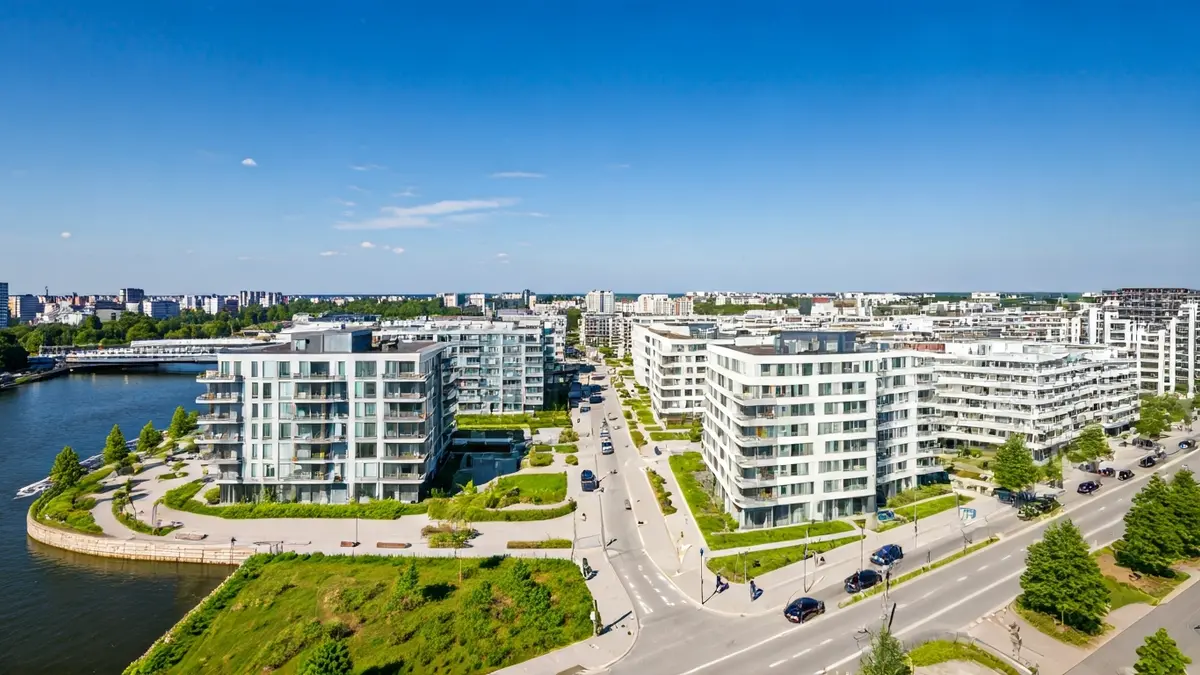
Where the Atlético de Madrid stadium and the Mahou brewery once stood, a modern residential complex now rises. La Ribera del Calderón, located in the Arganzuela district, next to Madrid Río, is a reality with 1,312 new-build homes, 10% of which are publicly protected.
This ambitious initiative, known as Operación Mahou-Calderón, represents the largest urban development within the M-30 ring road. Its goal has been to convert a former industrial and sports area into a privileged environment that combines extensive green spaces, commercial areas, and residences, improving the connection with the Manzanares river.
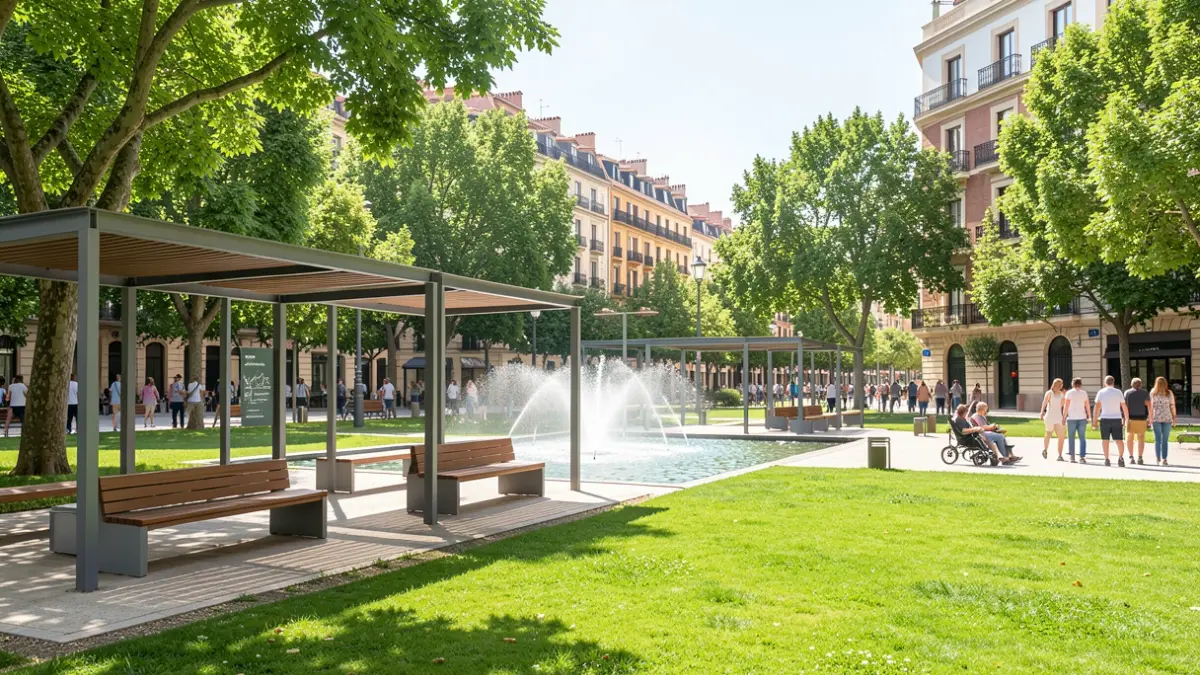
La Ribera del Calderón is perhaps the most successful urban transformation project in Madrid in recent years in terms of actual execution. Where there was a stadium and a factory, there is now a neighborhood with residents, green areas, and direct access to one of Europe's best urban parks.
The project, which began with the sale of the land in 2019, is currently in the process of handing over homes, with the first residents already settled since 2022-2023. This successful execution positions it as one of Madrid's most notable urban transformation projects.
A key element of this transformation has been the undergrounding of the section of the old M-30 that ran alongside the stadium. This infrastructure, already completed as part of the Madrid Río redevelopment, ensures a smooth, barrier-free connection between the new neighborhood and the linear park, offering residents direct access to green areas, bike paths, and sports facilities.