Madrid solidifies its position as the epicenter of Spanish Baroque Theater with the celebration of an International Congress, organized by the General Directorate of Cultural Heritage and the Office of Spanish Language of the Community of Madrid. This event commemorates the declaration of the Golden Age as an Intangible Cultural Heritage Asset of the region.
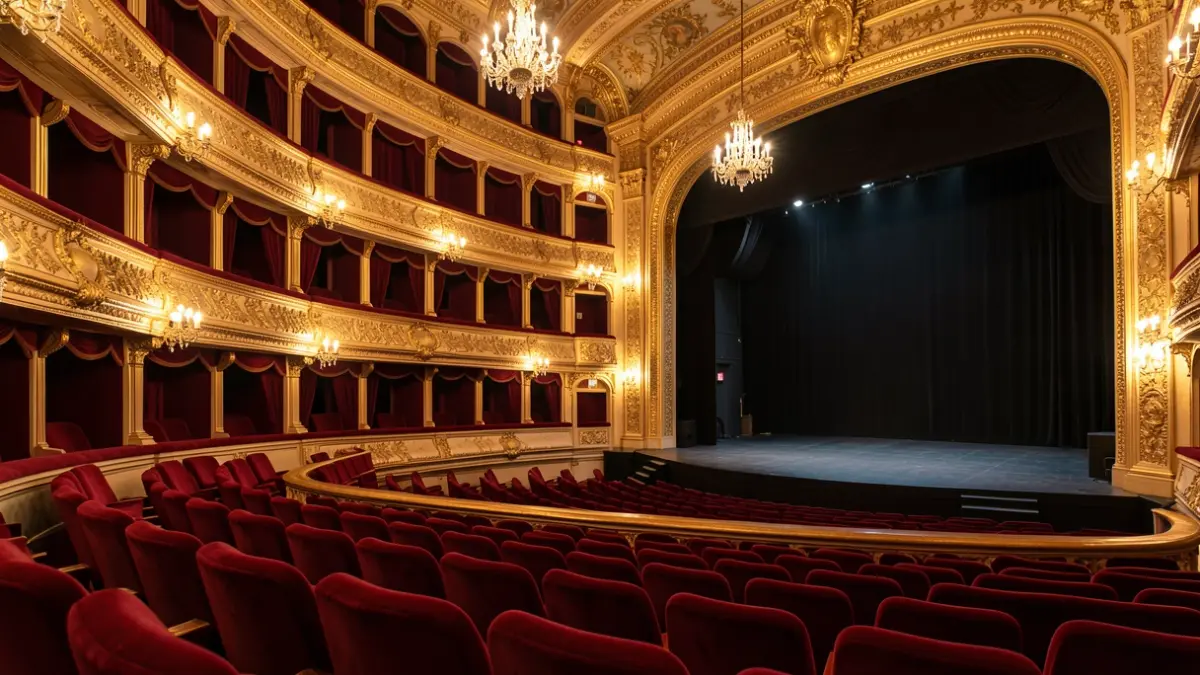
The Spanish capital was the birthplace of great playwrights such as Lope de Vega, Tirso de Molina, and Calderón de la Barca, and saw the emergence of literary figures like Cervantes and Quevedo. In Madrid, the Comedia Nueva, the cornerstone of the Baroque theatrical revolution, was shaped, driven by Lope de Vega. The city possessed key infrastructures like commercial theaters, palatial venues, and public spaces for performances.
Madrid serves as the preferred setting for numerous Golden Age plays, and its printing houses played a crucial role in disseminating dramatic texts. The congress will also pay special attention to Andrés de Claramonte, a key figure in the myth of Don Juan, whose 400th anniversary of death in Madrid will be commemorated in 2026.
The event, coordinated by Luciano García Lorenzo (CSIC) and Germán Vega García-Luengos (University of Valladolid), will take place from October 13th to 16th. Conferences and round tables will be held in the Auditorium of the Regional Library of Madrid and the “Lolita Franco” Auditorium of the Regional Archive of Madrid.
The program includes presentations on various aspects of Golden Age theater, such as music, Madrid as a fictional space, operatic theater, urban violence, the legacy of Andrés de Claramonte, Madrid's printing industry, staging in the 17th century, and the current Madrid scene, among other topics.
Registration for the congress will be open from August 25th to October 2nd, 2026. Interested participants must register in advance through the link provided by the Library Reservations Center.