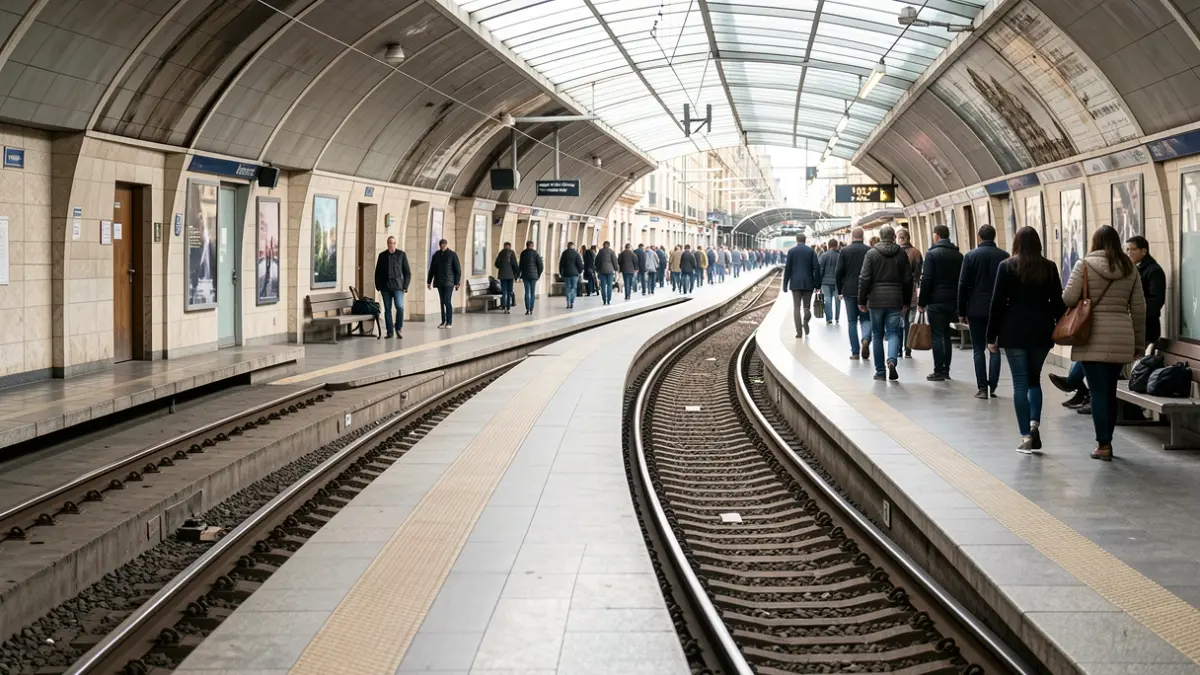
The choice between a fan and a portable air conditioner has become a crucial decision for Madrid households, especially in older apartments without adequate insulation. High temperatures, often exceeding 34 °C at night, make the search for cooling solutions a priority.
The AEMET has recorded an increase in heatwave days, with 33 days last summer, the second-highest value in history. The Getafe station in Madrid even registered the highest nocturnal minimum since meteorological observations began, highlighting the severity of the problem.
A significant portion of Madrid's residential housing stock, built before 1980, lacks modern thermal insulation and double glazing. This causes walls to accumulate heat during the day and release it at night, prolonging tropical nights indoors.
Before buying a new appliance, it is advisable to check elements such as blinds, awnings, and window seals, as these measures can significantly improve the effectiveness of any cooling system. Keeping the home closed during sunny hours and ventilating only at dawn and dusk is essential.
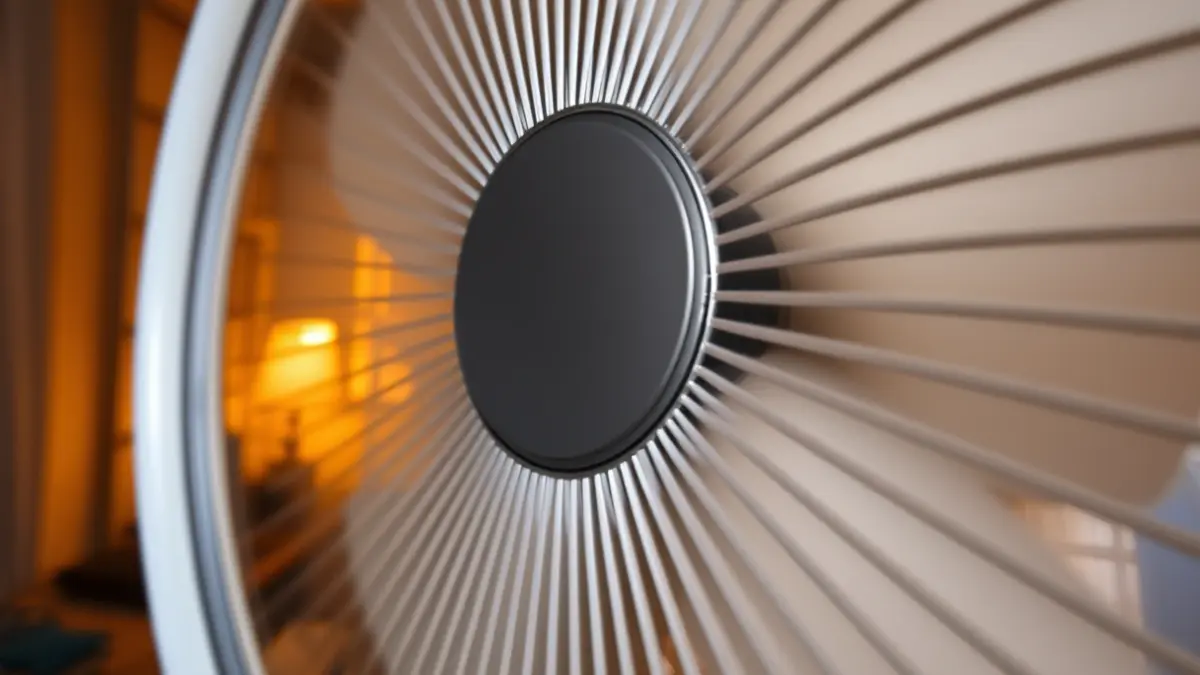
Although both appliances are found in the same market, their operation differs significantly. A fan moves air, reducing the thermal sensation by 4 to 5 degrees in low-humidity environments, without altering the actual temperature. A portable air conditioner, on the other hand, cools the environment through a refrigeration cycle, expelling hot air outside via a hose.
The difference in electricity consumption is considerable. A standing fan consumes between 60 and 90 W, while a portable air conditioner can range from 800 to 1,200 W. This contrast can result in an additional expense of more than 15 euros per month on the electricity bill during the hottest months.
To choose a portable air conditioner, a rule of thumb is 600 BTU per residential square meter. A 15 m² bedroom would require about 9,000 BTU, while a 25 m² living room would exceed 12,000 BTU. An insufficient unit will work forced and be noisy, while an oversized one will constantly turn on and off without cooling uniformly.
“"A fan cools as effectively as an air conditioner."
This statement is incorrect. The airflow from a fan creates a sensation of coolness due to sweat evaporation, but its effectiveness decreases with relative humidity above 60% or when the ambient temperature exceeds body temperature.
“"Turning the air conditioner on and off saves electricity."
Maintaining a fixed thermostat setting between 25 and 26 °C is more efficient than repeatedly turning the compressor on and off in an overheated room. Inverter models, by continuously modulating their power, avoid the consumption peaks of conventional units.
“"A portable unit performs like a split system."
Portable air conditioners are practical for rentals or apartments without building permits, but their efficiency is lower than that of fixed units of the same size. An A class or higher model, with proper sealing of the hose in the window, is crucial to prevent hot air from re-entering the room.