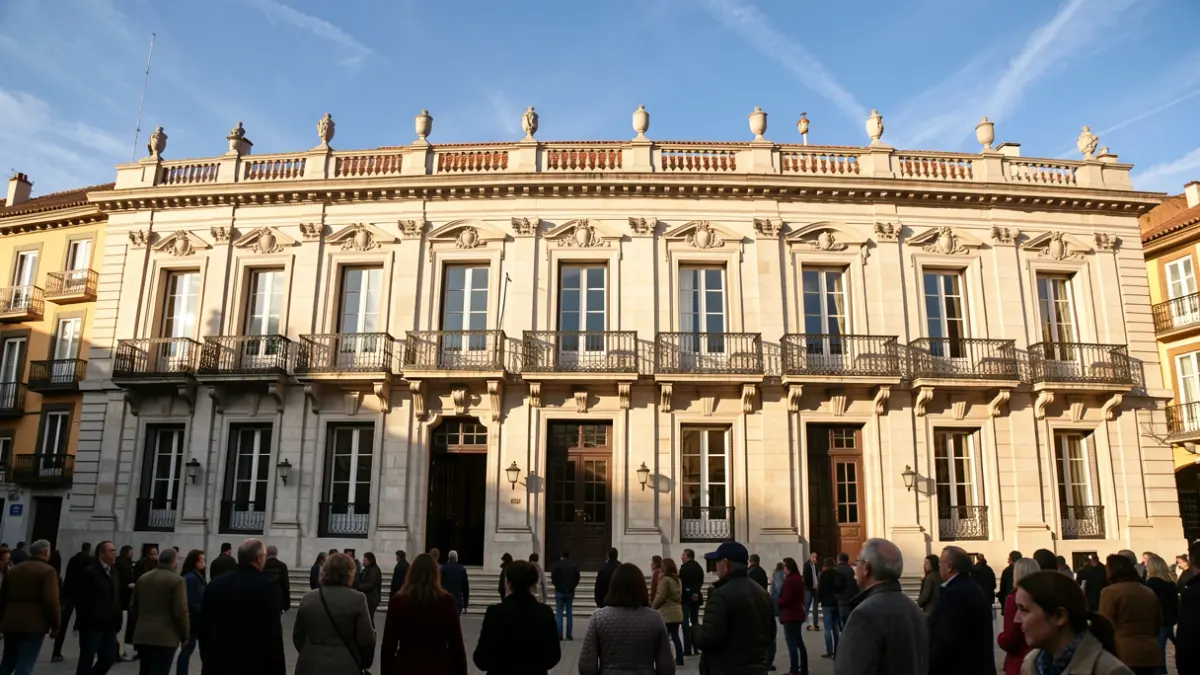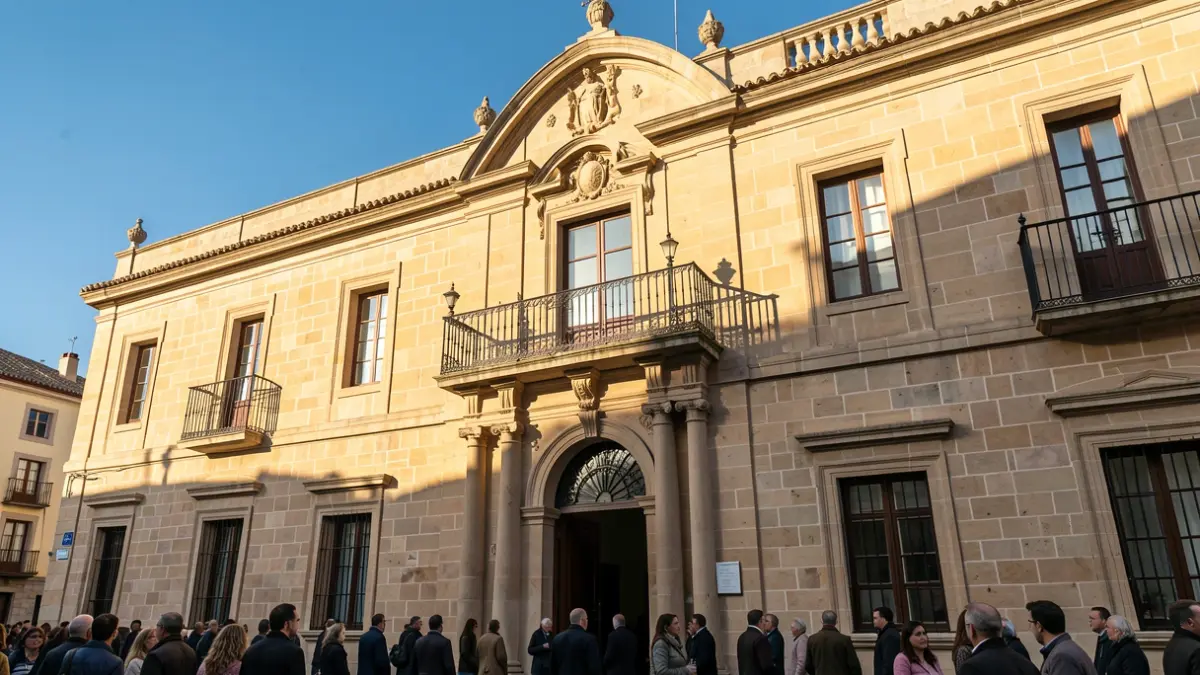
The Community of Madrid inaugurated the Valdebebas Interchange in December 2024, a project representing an investment of nearly 40 million euros, with over 70% funded by European funds. At its opening, the president of the Community of Madrid emphasized the importance of providing quality public transport that connects all destinations efficiently.
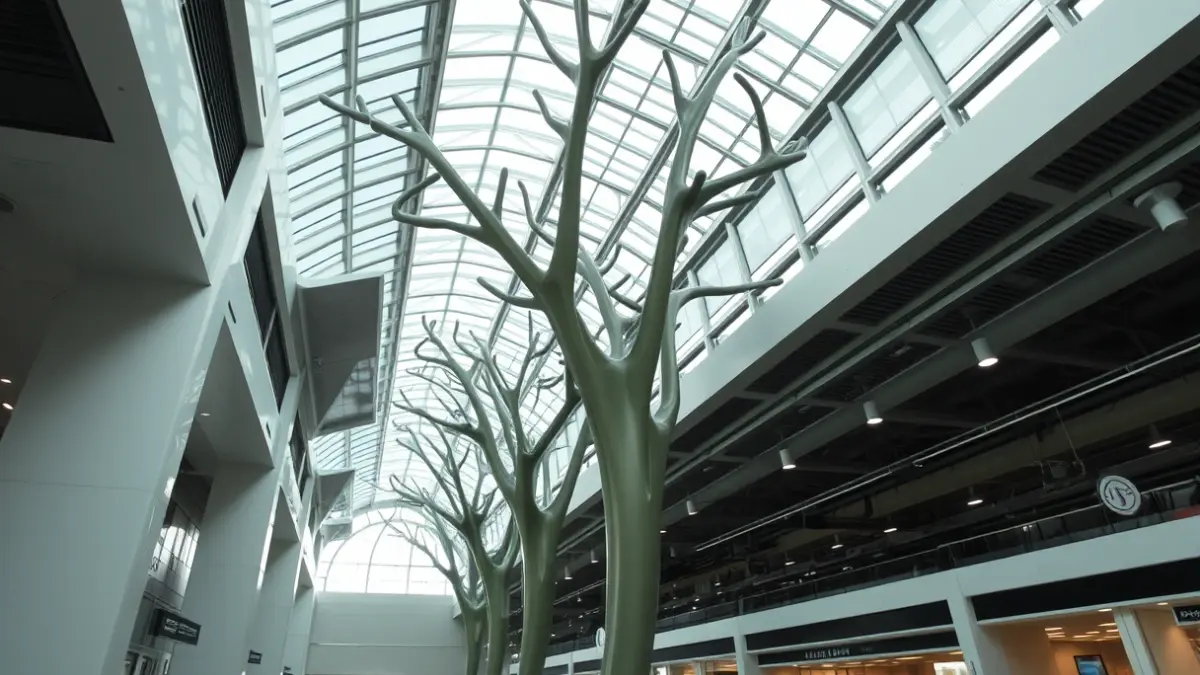
This sixth interchange in the region, built on a 25,429 square meter plot, stands out for its architectural design, inspired by the Hexagon Pavilion from the 1958 Brussels World's Fair. The 6,835 square meter building, spread over two floors, houses bus bays and taxi stands, as well as a walkway connecting to the Valdebebas Commuter Rail station and future connections to Metro Line 11.
However, despite having 14 commercial premises on its lower floor, these remain closed. The main issue arose with changes announced by Renfe in December 2024, which transformed the Chamartín-Clara Campoamor to Aeropuerto T4 service into Line C1, thereby eliminating Line C10's passage through Valdebebas station.
This modification has caused residents in the area to lose their direct connection to the city center, forcing them to make transfers at Chamartín, which increases travel time by approximately 20 minutes. This situation has drawn criticism from users, who hope the measure is temporary and that a more efficient connection for the Valdebebas Interchange will be restored.