The works, which lasted five months starting from May 21, have successfully restored the appeal of these unique structures located within the green space of Alameda de Osuna. The delegate for Urban Planning, Environment and Mobility, Borja Carabante, visited the site to emphasize the significance of this intervention.
“"El Capricho is much more than a garden; it is a living testament to our collective memory, our identity as a city, and the artistic sensibility of past eras that we continue to enjoy today."
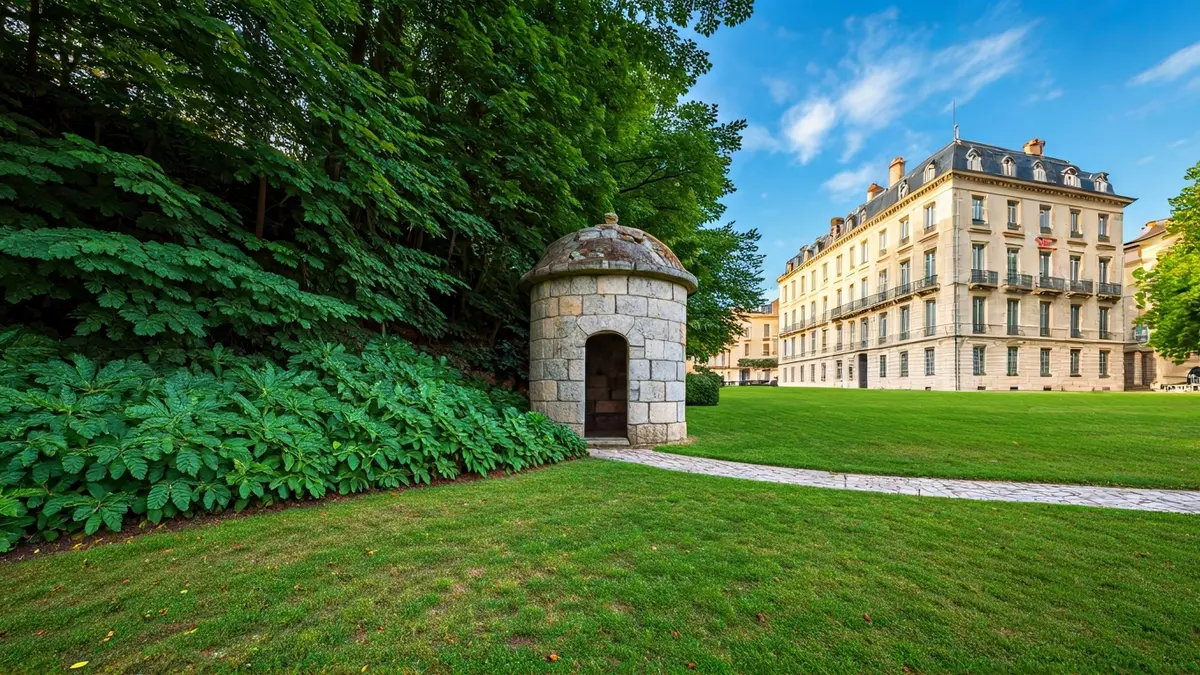
The restoration of the fortin, a small romantic fortification, included manual cleaning of walls, structural sanitation, and the application of lime mortars. A key aspect was the reconstruction of the missing sentry box, based on graphic documentation and historical models. The original paving was also recovered, and treated wooden walkways were installed.
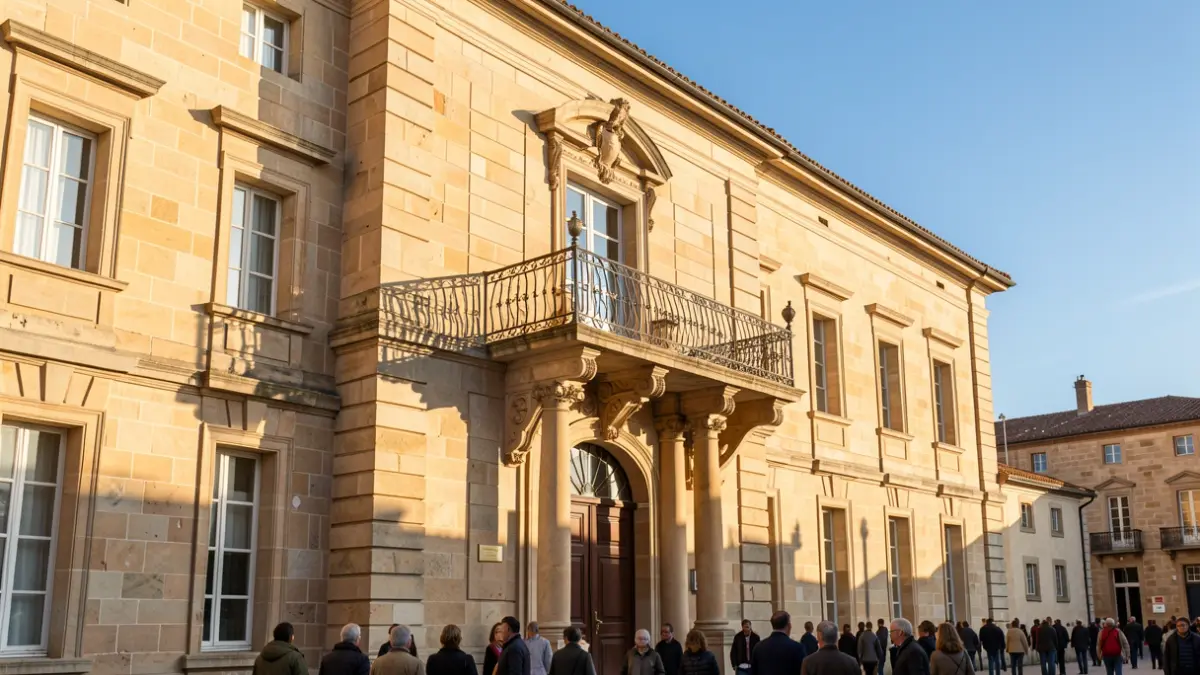
For the dance casino, the intervention focused on structural consolidation and the recovery of its original elements. The northeast facade, which showed significant deterioration, was restored, and the terrace was completely waterproofed. Interior and exterior walls were treated with lime mortar, and the main hall's vault was reinforced. Steps, floors, and wooden carpentry were rehabilitated, respecting their historical design. Additionally, external accesses were improved to optimize rainwater filtration.
These actions are part of the Madrid City Council's strategy for heritage conservation. Since 2019, the Council has allocated over 113 million euros to 133 green area recovery projects, with 113 already completed. El Capricho Garden, designed in the late 18th century at the behest of María Josefa Alonso Pimentel, Duchess of Osuna, is one of the few European landscape gardens in Spain that retains its original layout, reaffirming its historical and natural value for Madrid.