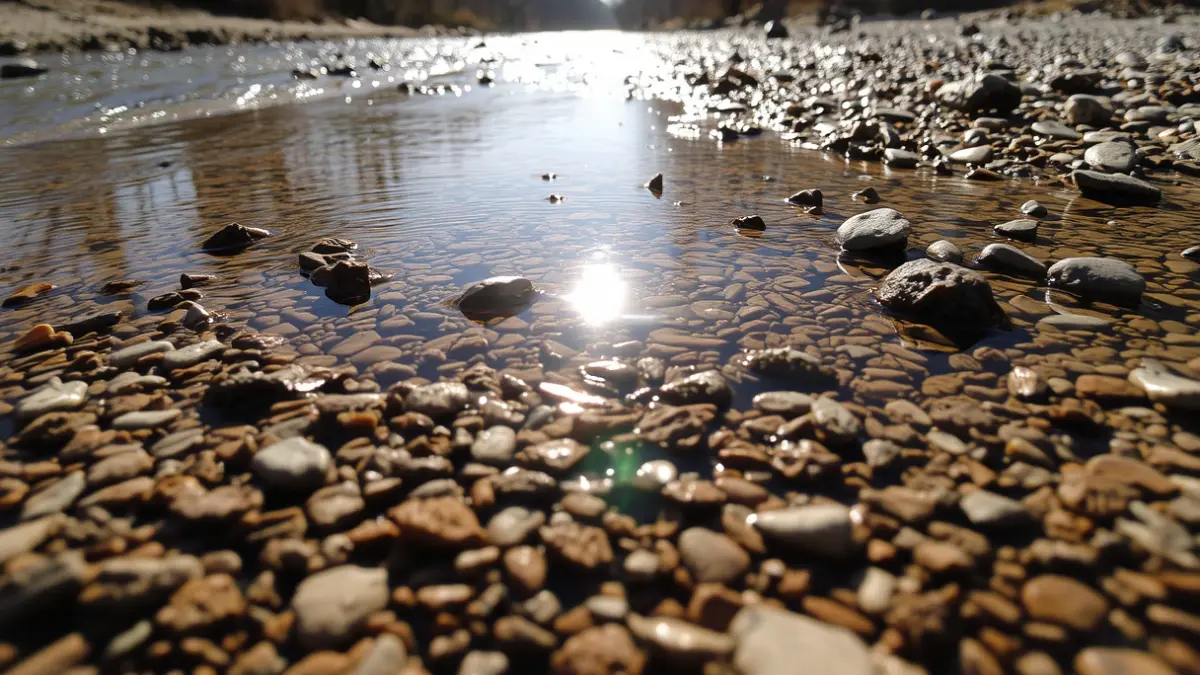
The ecological organization attributes this situation to the absence of seasonal floods from headwater reservoirs, a measure outlined in the Tagus River Basin Hydrological Plan for riverbed regeneration and the promotion of native species reproduction. This issue coincides with a critical moment in the barbel's biological cycle, as these weeks they begin their upstream migration in search of more oxygenated areas with gravel bottoms for spawning.
“"The scarcity of flow adds to the numerous transverse obstacles in Madrid's riverbeds, such as abandoned weirs that interrupt fluvial continuity. With less water, even small barriers have a severe effect on fish mobility."
Ecologists emphasize that this situation is particularly striking, given that it occurs in a context of abundant stored water reserves. The stored volume exceeds 88% of total capacity, significantly higher than the historical average of 77% for this time of year. This water availability makes the lack of releases aimed at replicating spring floods even less justifiable.
Criticism is directed specifically at Canal de Isabel II, the entity responsible for managing the headwater reservoirs of several of these rivers. The platform alleges that the organization is not releasing the necessary flows to comply with the current hydrological planning, which, in their view, violates commitments for the protection of native species.
The collective urges Canal de Isabel II to immediately release sufficient flows to allow the common barbel to spawn. They consider the intervention urgent, given the high water reserves and the species' current reproductive cycle. They warn that, without these releases, the common barbel population in Madrid's rivers will continue to decline.