This modification, expected to be approved by the Governing Council, primarily aims to enhance safety and transparency in the ride-hailing service. Specific pictograms will be introduced on vehicles, allowing users to easily identify whether the authorization is urban or interurban.
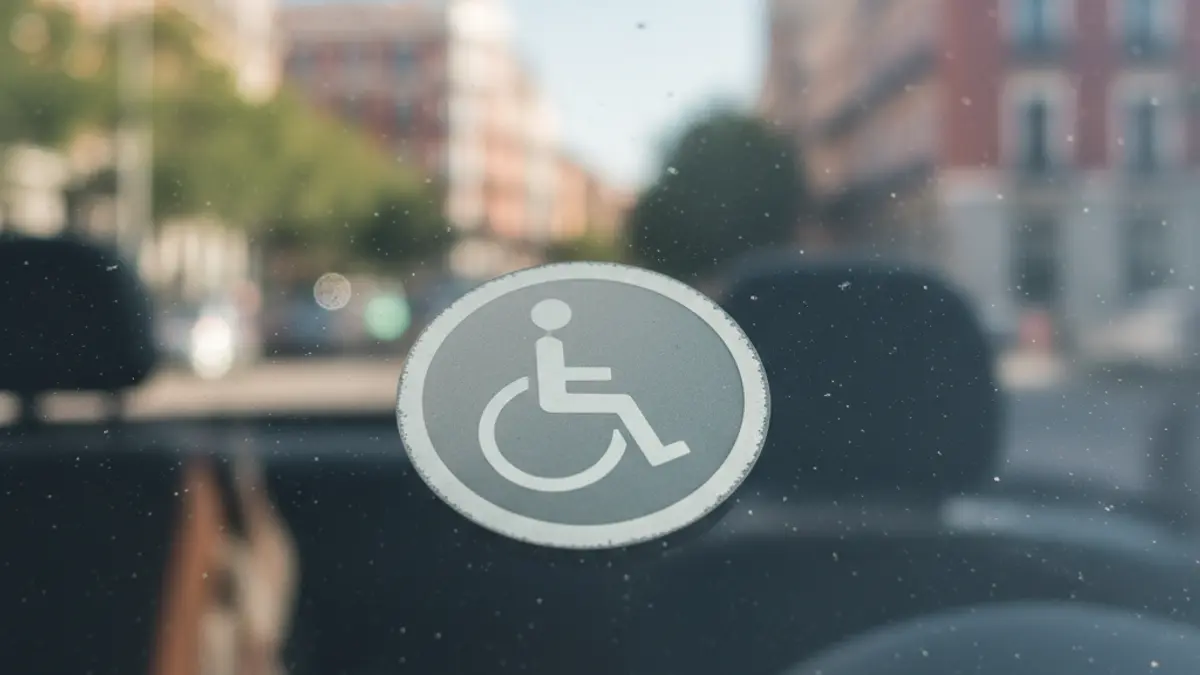
Furthermore, the reform will place special emphasis on accessibility, making visual identification of adapted vehicles for people with reduced mobility mandatory through pictograms. To ensure a sufficient supply of these vehicles, some environmental requirements will be relaxed, allowing them to operate with the C environmental label.
“"The measure seeks to increase transparency and offer greater guarantees to both citizens and professionals in the sector."
Another crucial aspect of the new regulations is the control of price increases during high-demand situations. These can only be applied under exceptional circumstances, such as major events, adverse weather conditions, or emergencies, provided they are declared in advance by the competent authority. Increases will be limited to 75% of the base amount and cannot include additional supplements not stipulated in the regulations.
The Community has specified that usual activity peaks or ordinary demand will not justify price increases, aiming to prevent abuses and ensure fair service for users.