Tests are underway at CAF's facilities in Corella, Navarre, to validate the rolling stock before its scheduled service launch in 2027. The second unit will arrive in June, and the first trainsets will begin transferring to Madrid in July for further trials on the network.
Once in the region, the new trains will be distributed among various company depots for manned night tests on lines 10, 11, and 12. Subsequently, following "technological adaptation" works, they will undergo automated operation tests on Line 6 itself.
The automation of Line 6, which serves over 400,000 daily users, will boost transport capacity and reduce headways to two minutes, improving service flow. These trains will be 20% more energy-efficient and reach speeds of up to 110 km/h.
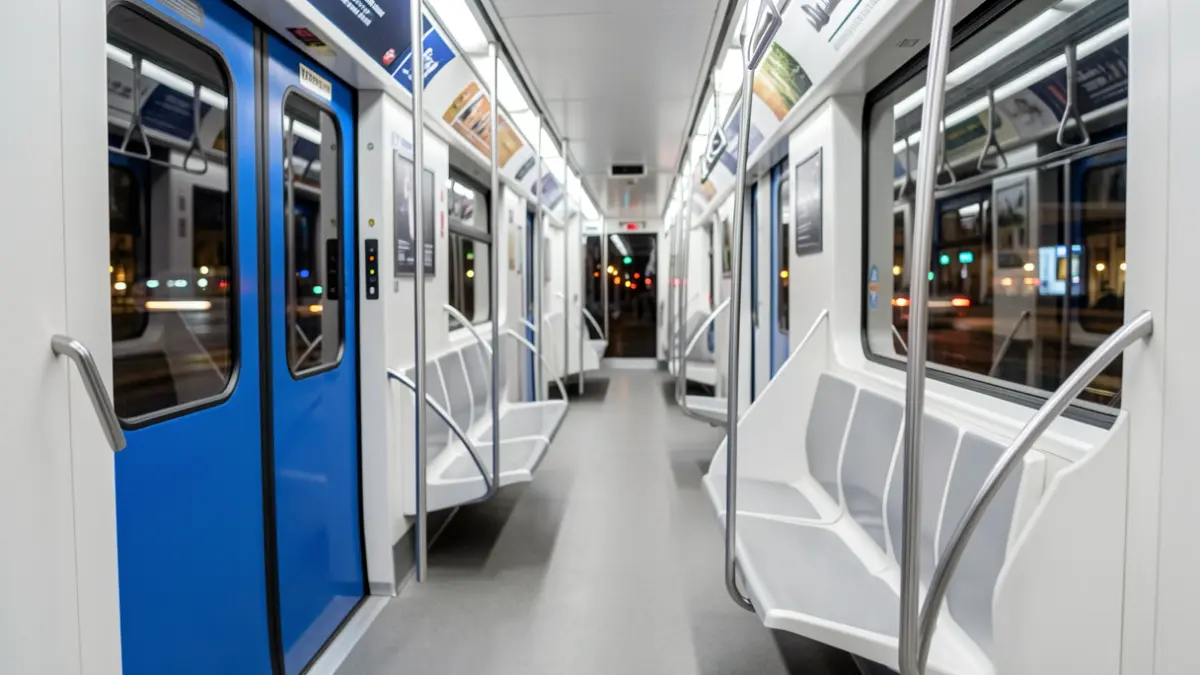
The new trains will offer up to 17% more passenger space by eliminating the driver's cabin and featuring interconnected corridors. Each unit will accommodate 1,385 passengers, with 165 seats, and include dedicated areas for reduced mobility, bicycles, and strollers, along with advanced acoustic and visual information systems.
Manufacturing is taking place at CAF plants in Beasain and Irún, in the Basque Country. Before entering service, the trains must pass a comprehensive technical validation process. The total investment for the acquisition of the 48 trains amounts to 531.2 million euros.