Although the collective imagination places the epicenter of the movement in neighborhoods like Malasaña, the sociological and cultural reality was much broader. University campuses, such as Ciudad Universitaria or the Universidad Autónoma, acted as key laboratories where emerging bands presented their work to an active student audience.
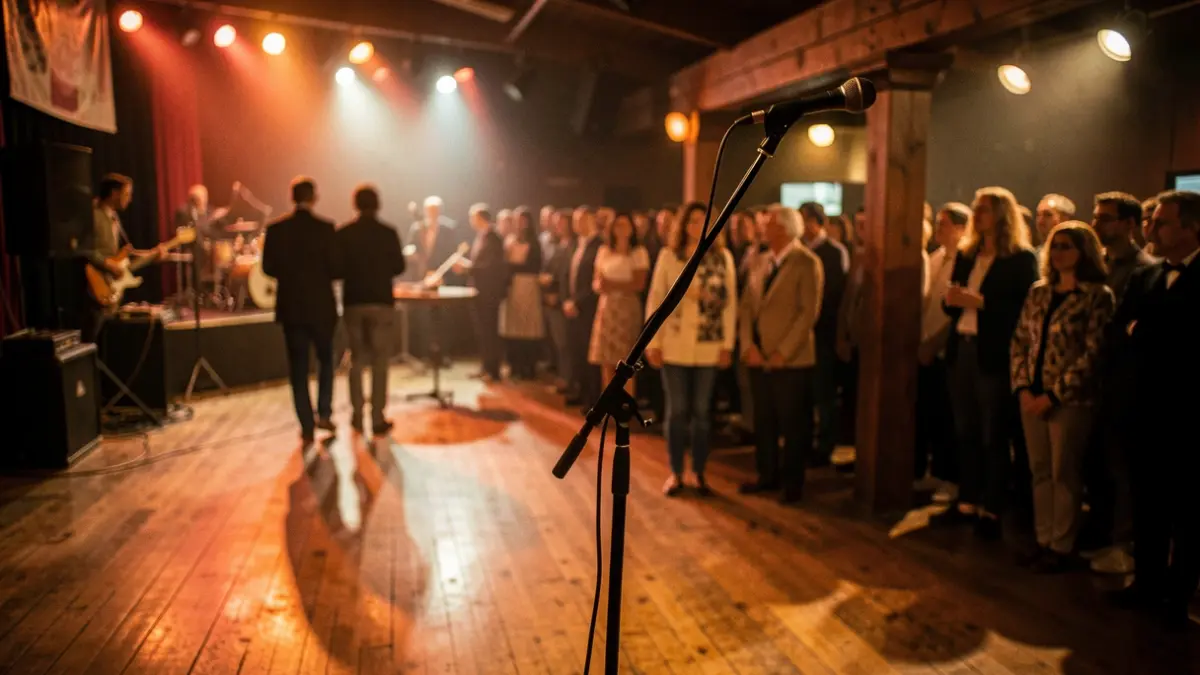
Districts like Tetuán and Prosperidad played a fundamental role in the counterculture. In Tetuán, spaces like the Tablada 25 rehearsal rooms or the former Carolina cinema were meeting points where iconic bands rehearsed and foundational works about the era were presented. Meanwhile, Prosperidad hosted self-managed centers like the Ateneo Politécnico, which served as a refuge for artistic experimentation.
The movement's influence also reached areas outside the M-30, where neighborhood dance halls and clubs adapted their programming to new Anglo-Saxon trends. Venues like the Niza Palace in Usera or the Astoria hall on Paseo de Extremadura witnessed international performances and events that decentralized the capital's cultural offerings.