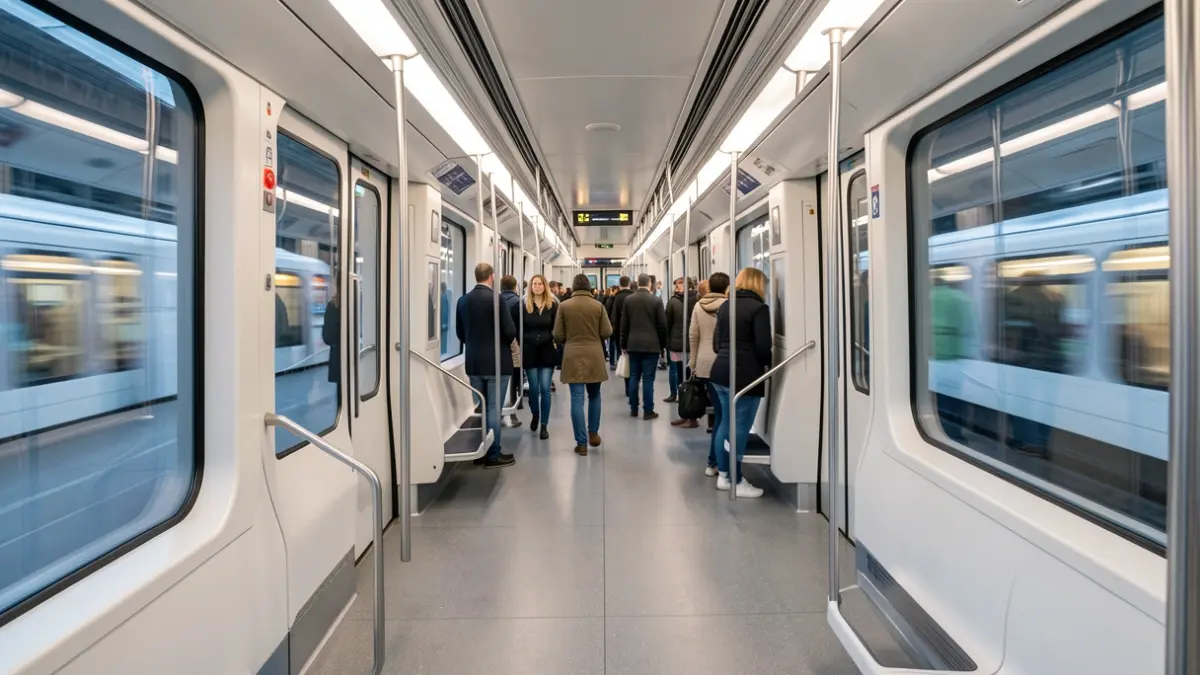
The regional leader highlighted that the investment of over 531 million euros will increase transport capacity by up to 70% and reduce headways to two minutes, positioning Madrid's subway among the most advanced globally and phasing out older models.
The first train, manufactured by CAF, has completed its production and industrial validation phases. It will now undergo extensive testing under real operating conditions at Metro facilities to assess its performance, integration with the infrastructure, and the functionality of new signaling, communication, and control systems.
These initial tests, to be conducted over the coming months on Lines 10, 11, and 12 during nighttime hours with a driver, will analyze safety, reliability, dynamic performance, comfort, and system interoperability. Later, they will be carried out on L6 itself in automatic mode.
The 48 new trains, each comprising six cars and exceeding 109 meters in length, will be able to carry up to 1,385 passengers, a 17% increase from current models. Their top speed will increase by 33% to 110 km/h, and their energy consumption will be reduced by 20%.
While testing progresses, manufacturing of the remaining units continues. Currently, two are fully completed, and two more are in advanced production stages. Each train is transported by road using up to six trailer trucks due to their significant dimensions.
Concurrently, platform screen doors are being installed at the 28 stations of the Circular line, and staff training is underway to adapt to the new operational model. Díaz Ayuso explained that the autonomous trains will allow for the redistribution of drivers to other lines, enhancing service and work-life balance without job losses.
This initiative complements the regional government's efforts to modernize and expand the Metro network, including station renovations at Ventas, Santiago Bernabéu, and Avenida de América, as well as line extensions such as L11, L5, and L3.
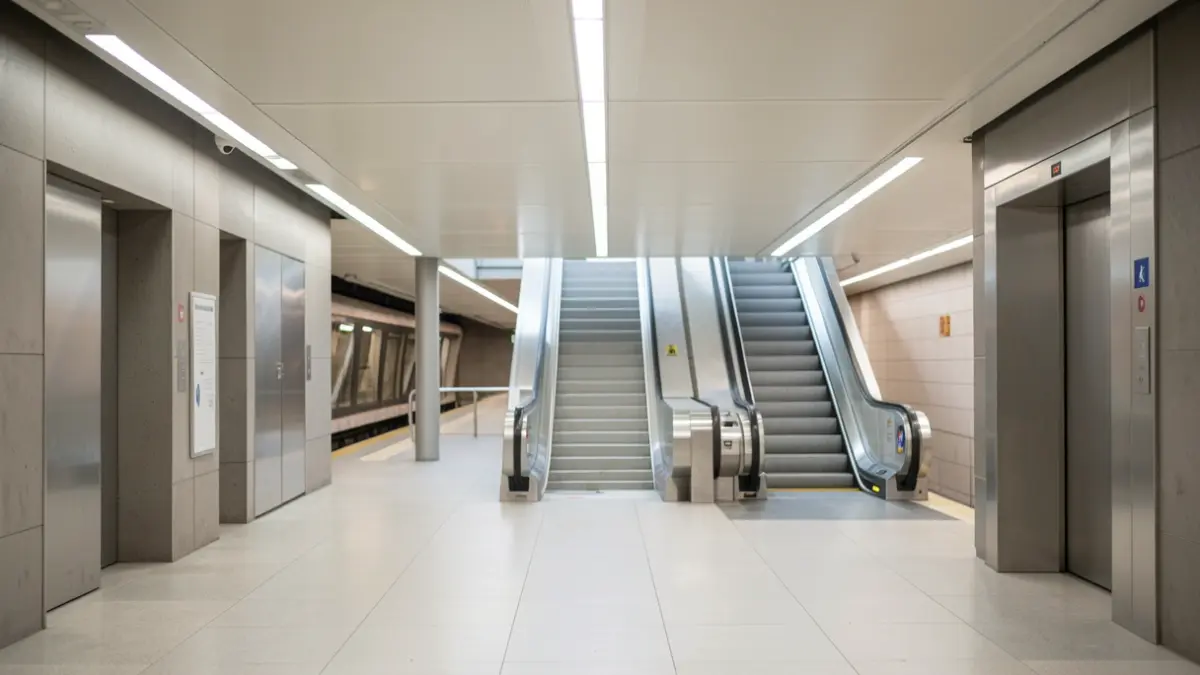
The platform adaptation works at the 28 stations of L6, with an investment of 8 million euros, will be carried out during nighttime hours over the next ten months. These include renewing platform flooring with more durable materials, installing tactile paving for visually impaired individuals, and correcting the gap between the train and the platform to improve accessibility and accommodate future automatic doors.
Stainless steel and safety glass partitions will also be installed at platform ends to complete the enclosure line and provide necessary technical spaces for the new infrastructure. Dry risers will be adapted to ensure full compliance with fire protection regulations.