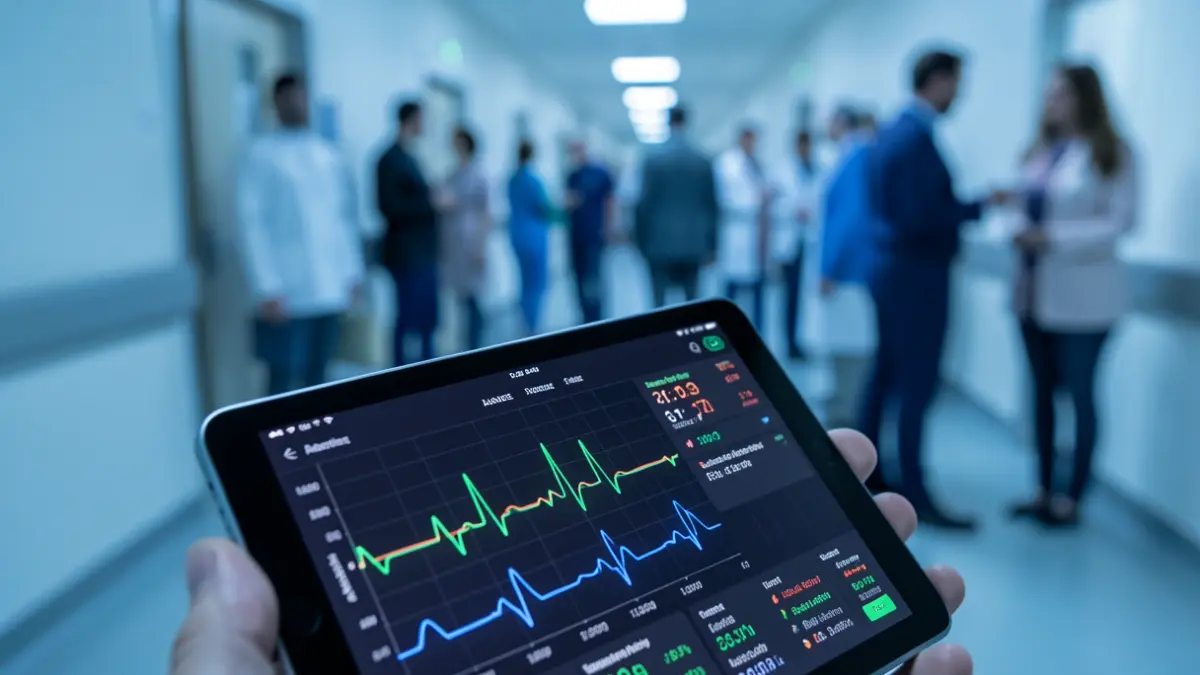
This initiative integrates telemedicine tools and remote monitoring to provide constant patient tracking. The main goal is to detect conditions such as heart failure, arrhythmias, or ischemic heart disease early, preventing these pathologies from reaching irreversible stages.
The system allows users to manage their health through the Virtual Health Card and the CardiologIA application. Patients receive a kit containing devices such as blood pressure monitors, scales, pulse oximeters, and smartwatches, which send biometric data in real-time to the medical team at Ramón y Cajal Hospital.
“"Our heart will be monitored 24 hours a day. Imagine the security and confidence this provides for many patients."
When high risks are detected, the protocol triggers immediate responses, including teleconsultations, treatment adjustments, or urgent referrals in coordination with Summa 112. The pilot phase was supported by a two-million-euro investment from the Next Generation European Funds.
To date, the program has served 28,000 patients, recording over 11,000 alerts, 400 of which were classified as critical. The system's capacity is currently being expanded to reach 1,000 simultaneously monitored patients.