Advanced telecare is revolutionizing elder care in the Community of Madrid, offering a service that combines artificial intelligence, smart sensors, and connected devices to anticipate risk situations. This system, managed by Clece in the region's southwest, aims to improve the quality of life for seniors over 65 with recognized dependency, allowing them to maintain their autonomy at home.
Unlike the traditional model, which relied on user calls in emergencies, advanced telecare operates 24/7, incorporating an ecosystem of devices that detect danger before it occurs. "We are moving from a reactive model to a more predictive and proactive one," explains Carolina Gómez, head of Clece's Telecare service.
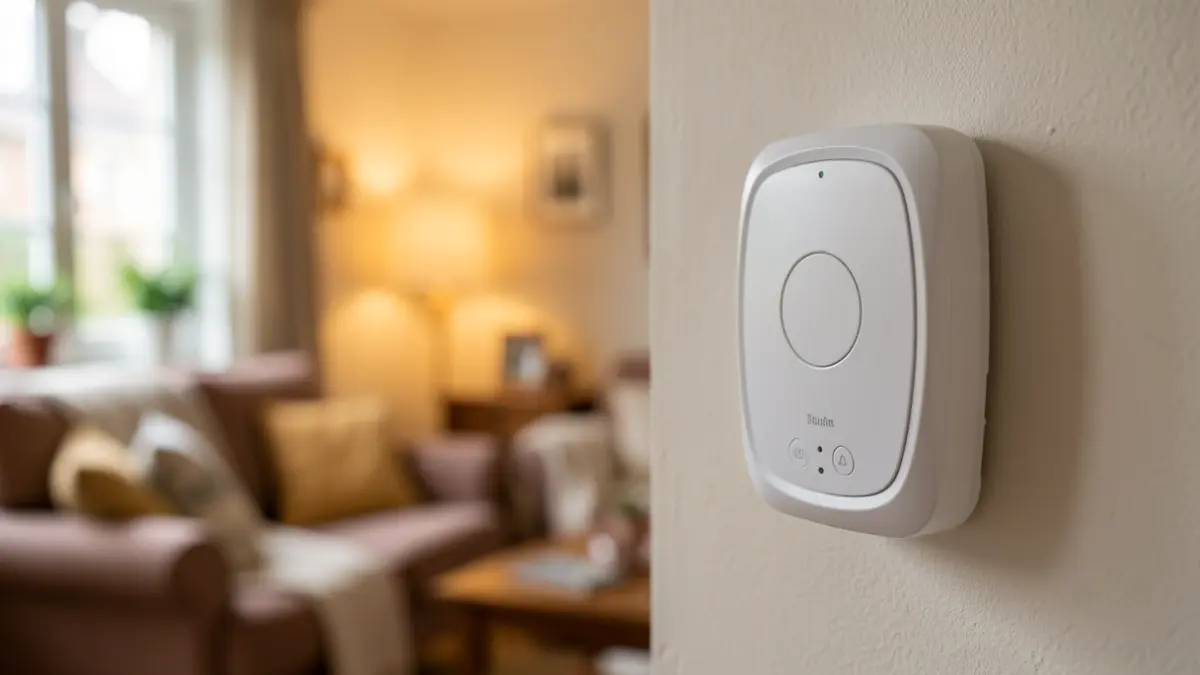
These devices, discreetly installed in homes, include smoke, gas, or water detectors, as well as motion sensors and telemonitoring tools. "The detectors are barely visible. Many are installed on the ceiling, and others are the size of a mobile phone. They are not invasive, and users perceive them as a tool that gives them security," details Sergio de la Iglesia, head of Clece's Telecare Assistance Center.
GSM (Global System for Mobile Communications) technology allows devices to operate with a SIM card, regardless of whether the home has a landline. Common elements include bracelets or watches that monitor biomedical parameters and inactivity sensors that alert if a person remains inactive for too long.
The system learns user behavior patterns to generate an alarm when it detects an anomaly. For instance, if a user doesn't get up at their usual time, the house temperature rises significantly, or the refrigerator is opened less often, the system triggers an alert. "We immediately call the home, mobilize, control the situation, and prevent a greater harm," summarizes De la Iglesia.
A centralized management platform collects data from sensors, using artificial intelligence to optimize resources and improve care. Mobility pattern analysis can, for example, detect early signs of cognitive decline or changes in habits that suggest a health problem.
Care is fully personalized. After a comprehensive assessment by professionals such as social workers or psychologists, specific devices or programs are recommended. "Some people prefer not to have devices at home. We always conduct a prior assessment and offer them based on their needs, but we always respect the user's decision," states Gómez.
This service not only provides security and peace of mind to users and families but also combats unwanted loneliness. Frequent interactions, even when the user just wants to talk, are a clue to detecting loneliness. Users are encouraged to press the button to converse, which can lead to closer monitoring or referral to municipal support programs.
Clece's technicians, with their direct contact in homes, play a crucial role in detecting abnormal signs and preparing reports. This information allows other professionals to conduct formal assessments and, if necessary, transfer the case to social services or the relevant administration.
Furthermore, the service promotes active aging with initiatives such as intergenerational meetings, virtual reality workshops, and adapted yoga classes. It also offers guidance and support to family members and caregivers, recognizing the importance of their own well-being.
The number of users in the southwest area of the Community of Madrid has grown significantly since Clece began managing the service, from around 8,000 to nearly 14,000. "It's a service with great potential and increasingly necessary," notes De la Iglesia, highlighting its provision in 16 municipalities including Boadilla del Monte, Las Rozas, Majadahonda, Móstoles, Navalcarnero, and Pozuelo de Alarcón.