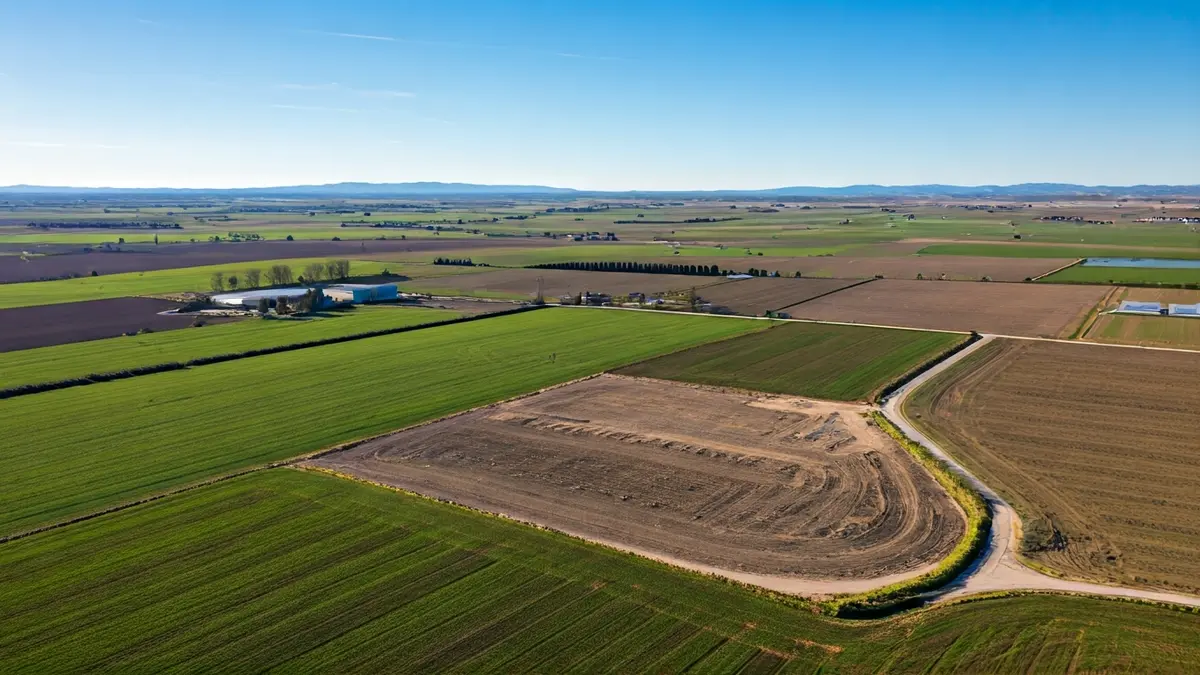
The project, which aims to process up to 140,000 tons annually of organic waste, has generated significant apprehension among local residents. The plant would cover an area of nearly 100,000 square meters and is designed to handle slurry, chicken manure, sewage sludge, slaughterhouse waste, and other by-products, including large anaerobic digesters and storage ponds exceeding 90,000 cubic meters.
Among the main concerns are potential odor and gas emissions, increased heavy traffic, risks to aquifers and soils, as well as landscape and noise pollution.
The Madrid Ecologist Platform has issued a statement highlighting the growing social concern in this rural and agricultural area. Residents have formed a citizen platform and held an informative assembly on March 21 to discuss the environmental, social, and economic implications of the facility. The platform has urged citizens to actively participate in the administrative appeals process.
Adding to the neighborhood opposition is the institutional rejection from the Belmonte de Tajo City Council, which has publicly stated its disapproval of the project. The council has reaffirmed its commitment to defending the interests of the population against an initiative they consider to have a high impact on an area of particular environmental and agricultural sensitivity.