The tranquility of a house on the outskirts of Alcorcón was shattered when a young woman, identified as Lucía, descended the stairs and noticed a shadow fleeing through the living room window. Initially attributing it to tiredness, the student decided to investigate, emboldened by the security of her villa and the proximity of neighbors.
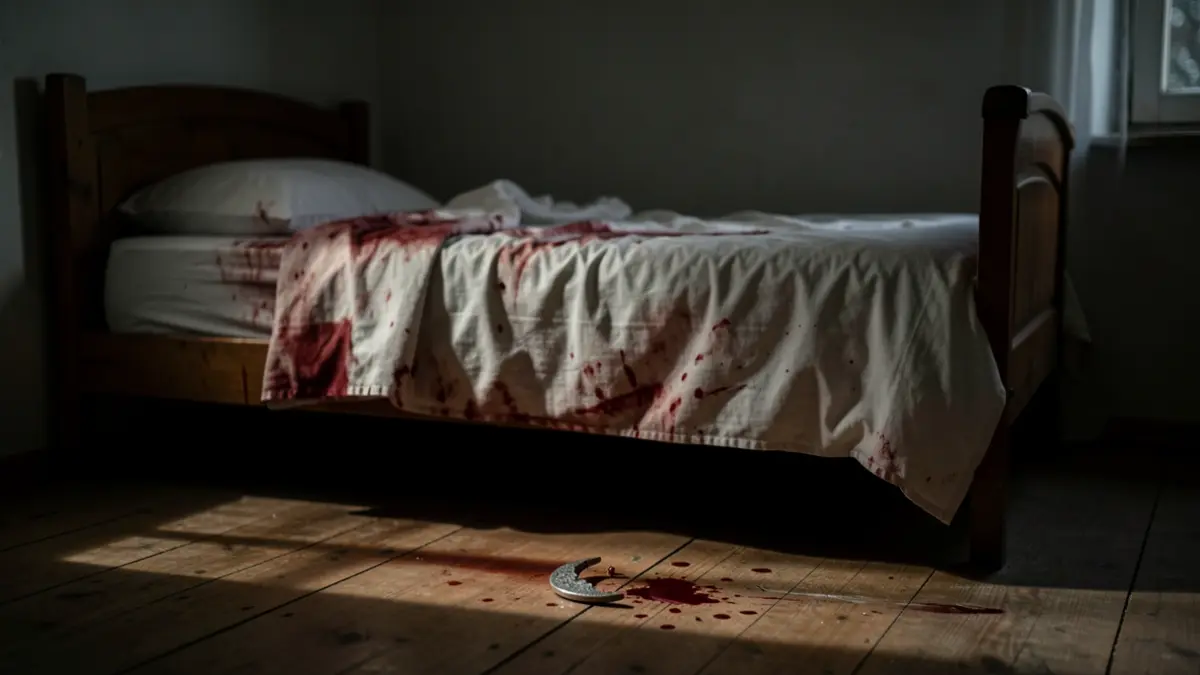
After a brief pause to drink a glass of milk and secure the entrances, Lucía went to her friend Ana's room. There, horror struck as she found her flatmate lifeless, her nightgown and sheets soaked in blood. A chilling detail caught her eye: Ana was wearing one of the moon-shaped earrings, an object that Lucía felt was a betrayal.
With her phone in hand, Lucía contacted the police, who advised her to leave the house as the assailant might still be present. However, Lucía, with remarkable composure, went to the dresser and found the earring that matched Ana's, the one bearing her own name, raising questions about whether it was a voluntary act or done under duress.
The initial police investigation pointed to a failed robbery with homicide by stabbing, possibly involving a missing kitchen knife. However, a peculiar detail emerged: a family photograph of Lucía and her mother was missing. Upon examining the frame, she discovered the picture had been torn, hiding a moccasin shoe and a date: April 22, 2009, Lucía's seventh birthday.
Questions about the attacker's motive, the missing photo, and the role of the earrings remained unanswered as emergency services confirmed Ana's death. The story, authored by students from 2A at the Galileo Galilei institute, hints at a complex mystery extending beyond a simple robbery.