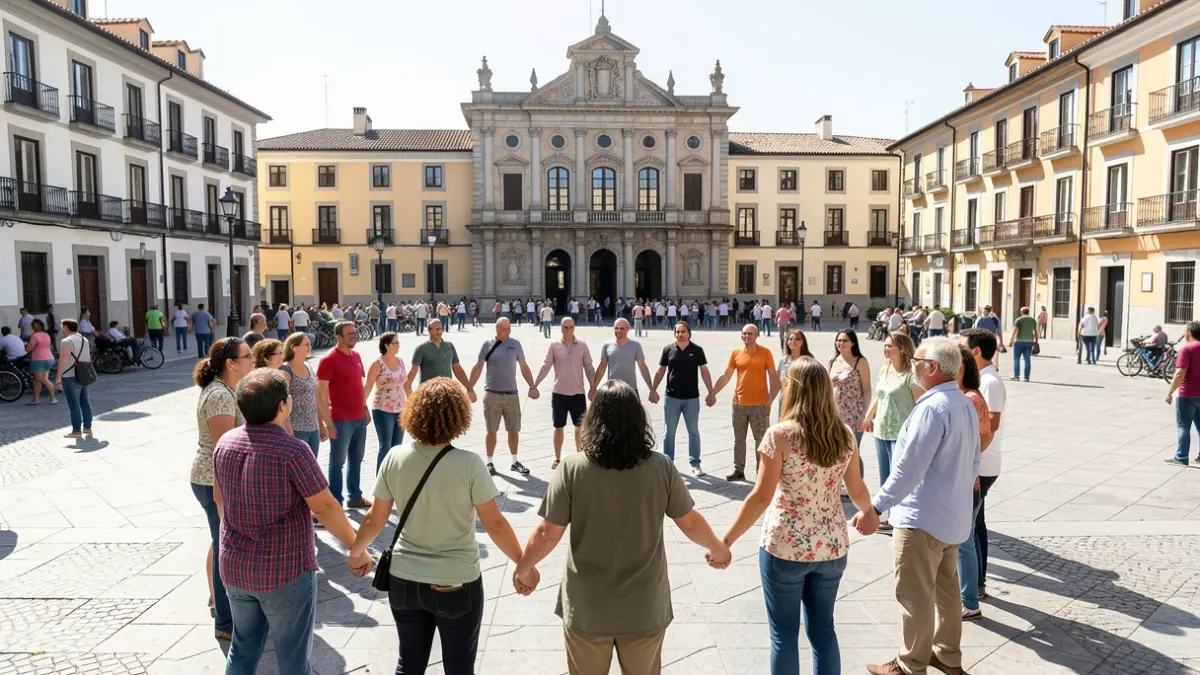
Residents of Alcorcón are commemorating the third anniversary of the 2023 municipal elections. These elections led to the revalidation of trust in a municipalist and progressive government, within a regional context particularly adverse to transformative forces.
Despite the generalized trend towards the advance of the right in the Community of Madrid, Alcorcón stood out as one of the few 'Gallic villages' that managed to keep Ayuso's PP in opposition, relegating the far-right to local political irrelevance.
Alcorcón became one of the few 'Gallic villages' that relegated Ayuso's PP to the opposition.
The current national landscape does not appear to have significantly improved for the progressive space, according to recent electoral results. However, parties strongly rooted in their territory, with a clear identity and a firm commitment to defending public services, are achieving progress.
This strategy made the difference in Alcorcón in 2023 and is poised to be the key to maintaining its exceptional status in 2027. The municipalism of Ganar Alcorcón is based on prioritizing citizens' interests above any political directive from Madrid, operating with complete autonomy.
From this municipality-centric perspective, notable milestones have been reached: the lowest unemployment figures in two decades, a strong push for renewable energy, and significant progress towards climate sustainability with proposals like water parks and the ambition to make the municipality a recycling leader. The remunicipalization of essential services is also among the achievements.
The project aims to build an Alcorcón 'to Live In', where all families can enjoy the municipality regardless of their neighborhood, offering certainty amidst a turbulent national and international context.
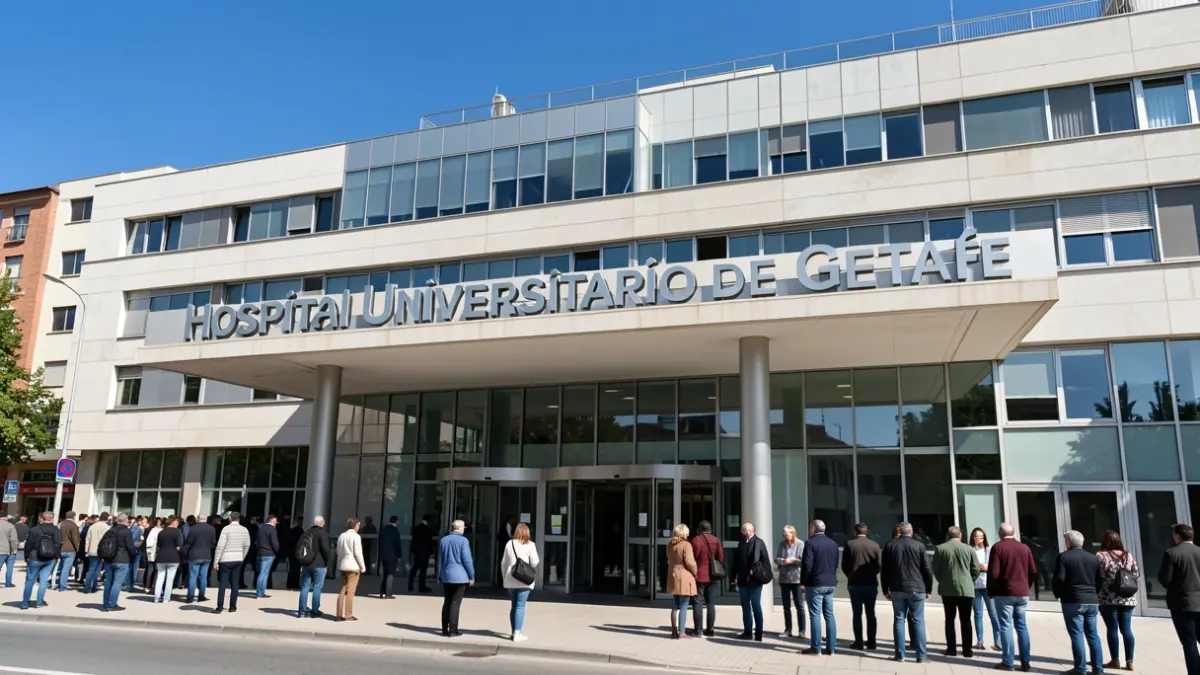
Despite these achievements, public services dependent on the Community of Madrid are in a critical state. Healthcare suffers from endless waiting lists, public education is becoming precarious, transportation is saturated, and neighborhoods like Ensanche Sur lack basic facilities. Access to housing also remains a persistent challenge.
Every public service that depends on Madrid is today on the verge of collapse.
This neglect by Madrid contrasts with the efforts of previous generations who built Alcorcón and fought for its public services.
Therefore, the text emphasizes the need for municipalist and transformative forces that defend Alcorcón without considering it a mere pawn in Madrid's political disputes, proudly asserting its identity against a capital and regional government that, according to the text, have turned their backs on them.