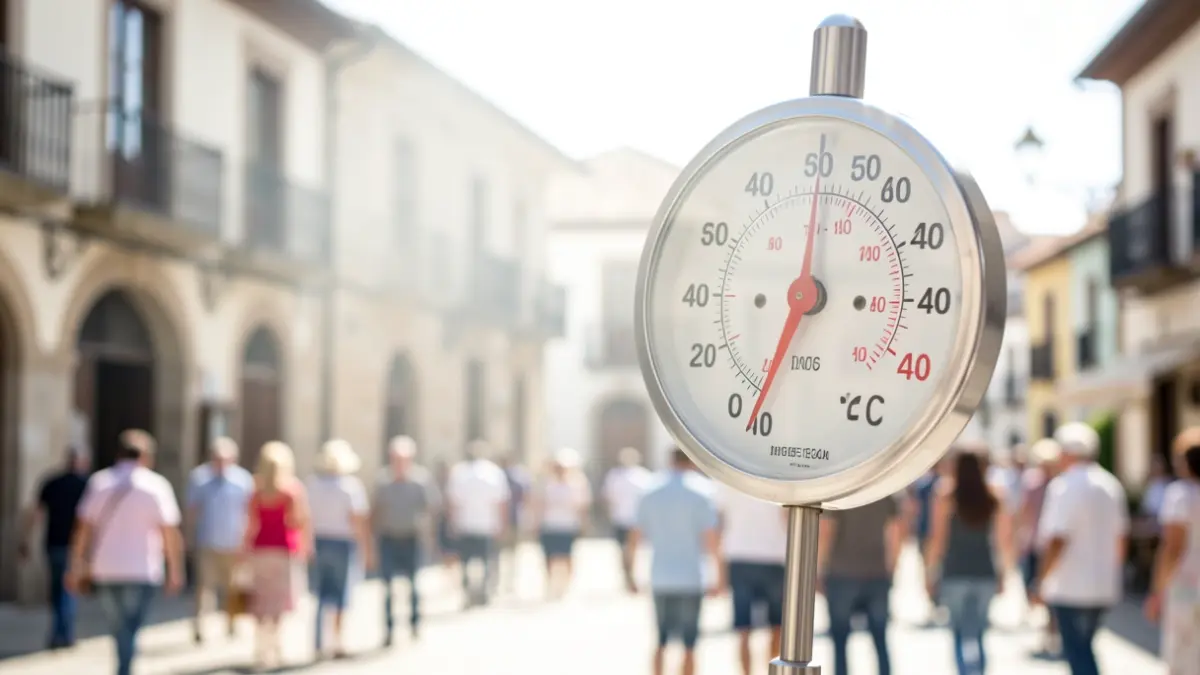
The city is preparing for temperatures that could exceed 40 degrees Celsius in the coming days. The Council has reiterated the importance of staying frequently hydrated, avoiding prolonged sun exposure during the hottest hours, wearing light clothing, and seeking cool or air-conditioned spaces whenever possible. Reducing intense physical activity during peak heat is also advised.
Special attention is being paid to sensitive groups such as elderly individuals living alone, minors, pregnant women, and those with chronic illnesses. David López, second deputy mayor and councilor for Citizen Security, stated, "Every summer we face higher temperatures and more frequent heatwaves. Given this reality, prevention is also a form of safety. Preparing for the heat means knowing the risks, adopting simple self-protection measures, and looking out for those who may need help."
Alessandra Romero, councilor for Public Health, Consumption, and Animal Welfare, warned of significant health consequences if adequate measures are not taken. "Extreme heat can have serious health impacts, especially among the elderly, children, and those with chronic conditions. Therefore, it is crucial to stay well-hydrated, avoid unnecessary exertion, and seek cool places during the hottest hours," she explained.
The City Council is calling for "community care," an informal support network to identify at-risk situations. "A call to an elderly relative, checking on a neighbor living alone, or offering help to someone in need are simple gestures that can make a big difference during a heatwave," Romero noted. Symptoms of heatstroke, such as dizziness, headache, exhaustion, disorientation, confusion, or excessively high body temperature, are highlighted, with recommendations to act quickly and seek medical assistance when necessary.
This campaign coincides with high temperature warnings across the Community of Madrid. The Council encourages the public to follow the recommendations from Civil Protection and health authorities to enjoy the summer safely, emphasizing prevention and neighborly solidarity as key tools.