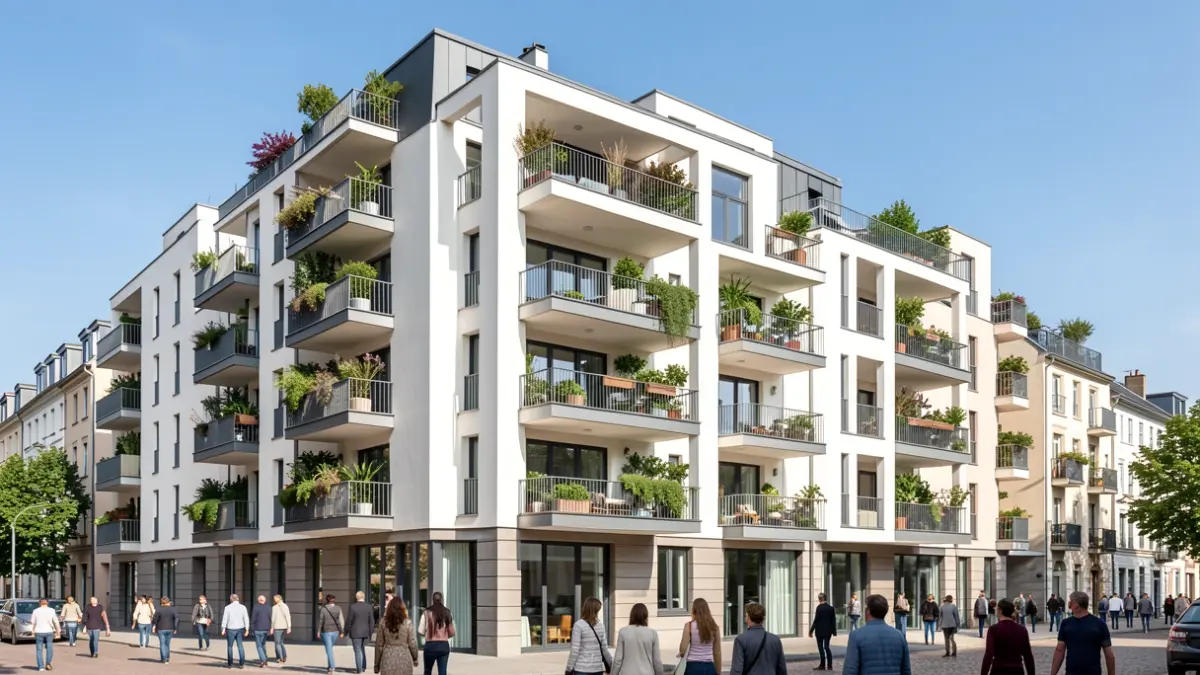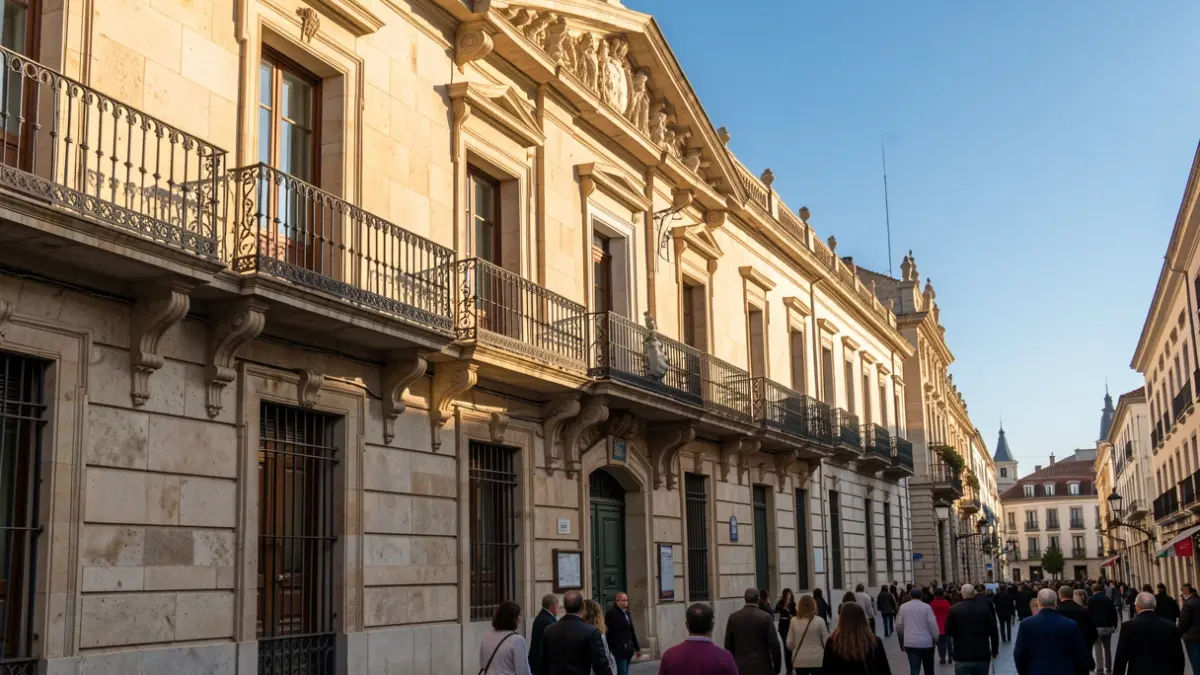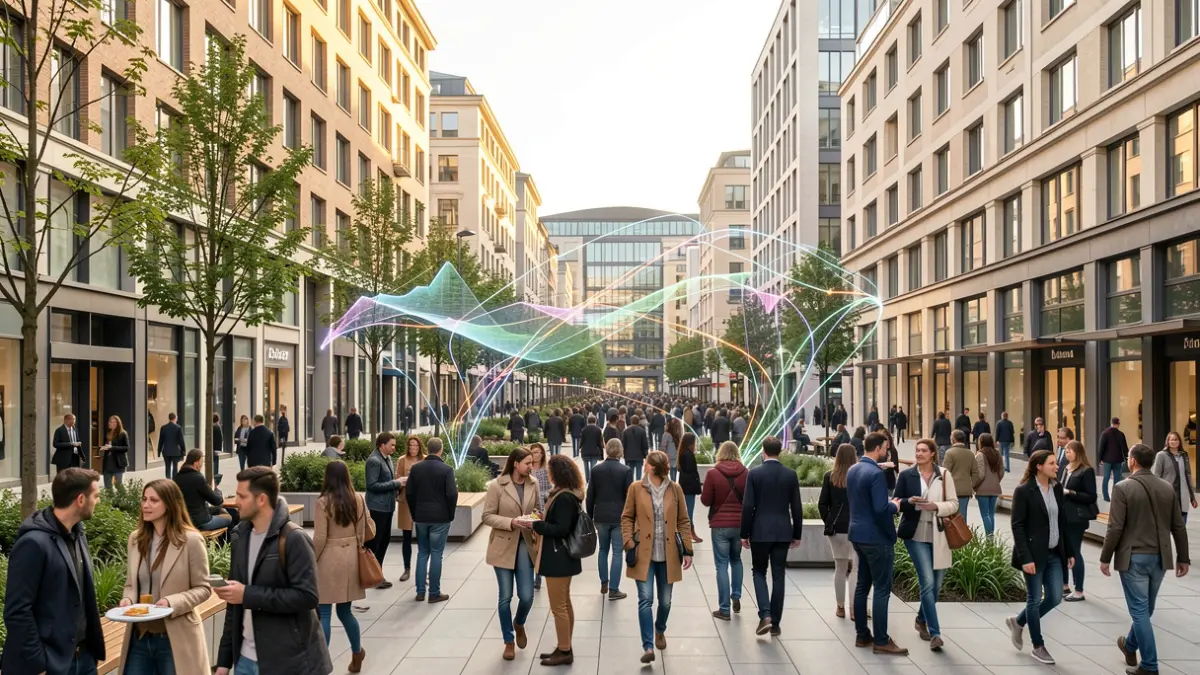
This initiative brings together experts and institutional representatives from various countries to analyze specific cases, share experiences, and propose innovative public policies. Alcorcón highlights its expertise in gender-responsive urbanism and in creating an Urban Agenda that addresses the needs of all citizens.
Mayor Candelaria Testa emphasized the importance of this collaboration in continuing to build a city that functions as a home for its inhabitants, stressing the need to incorporate women's participation in urban design. "We consider Alcorcón our home," stated Testa, advocating for urban design that actively includes women's perspectives.
The first virtual meeting included professionals from UN-Habitat Spain, the Ministry of Housing and Urban Agenda, and experts from Mexico, Colombia, Buenos Aires, Montevideo, Africa, and Vienna, offering an international view of Alcorcón's urbanism.
The Councilor for Urban Agenda, Planning, Development, and City Maintenance, Miguel A. González, valued the meeting as an opportunity to enrich Alcorcón's Urban Agenda from a gender perspective. The Housing Studio's objective is precisely to foster this knowledge exchange, connecting experiences and best practices to identify innovation opportunities and formulate strategic proposals applicable to public policies.
Participation in this program aligns with the municipal commitment to integrate a gender perspective into Alcorcón's planning. The approach is based on recognizing the different ways people use urban spaces. The municipal government argues that listening to the experiences of women of various ages helps identify key needs in areas such as public spaces, mobility, services, and housing.
"Our future is designed with the pencil of gender," declared Candelaria Testa, who considers women's participation in gender urbanism a cornerstone of the municipal strategy. The City Council has announced that Alcorcón will host a significant event in June 2027 focused on giving voice to women in the city.
This international collaboration continues the work the municipality is already undertaking with the Polytechnic University of Madrid (UPM). Since January 2026, the City Council and UPM have collaborated to integrate a gender perspective into urban planning and urban regeneration projects, through the UNESCO Chair of Gender Policies in Science, Technology, and Innovation at UPM.
The agreement with UPM, which aims to adapt spaces to people's needs, especially those involved in caregiving tasks, now gains a global dimension with participation in the Housing Studio. Inés Sánchez de Madariaga, Director of the UNESCO Chair of Gender in Science, Technology, and Innovation and President of UN-Habitat's AGGI Advisory Group, coordinates these actions, connecting local work with an international space for knowledge exchange.