The collaboration between the Reserve's teams and the URJC's Research Group in Technologies for Territorial Analysis and Diagnosis aims to train students and promote the values of the territory. This year, the activity focused on a fictional proposal for action in the Sierra del Rincón, designed to illustrate that data, while necessary, is insufficient on its own for territorial management. The complexity of recognizing diverse interests, uncertainties, and potential conflicts has been central.
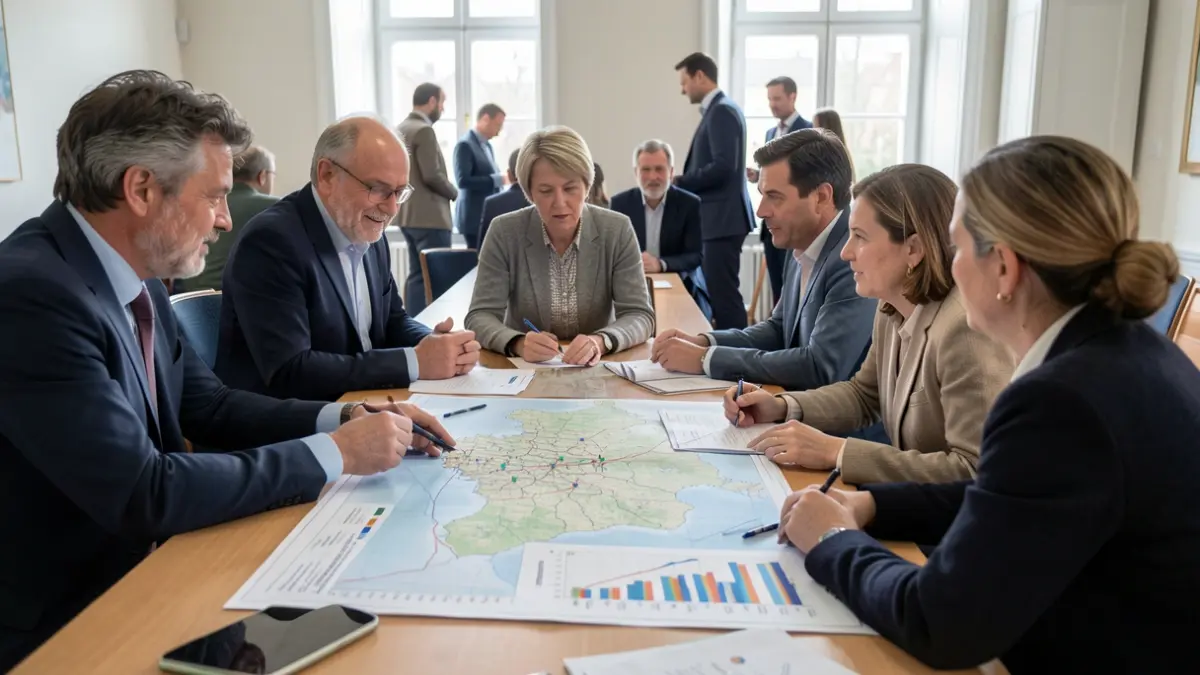
Participants, organized into groups representing different stakeholders linked to the territory, have analyzed cartographic and statistical information. Their task was to select the most relevant evidence for their interests and build arguments to defend their positions. Through a simulation of participation and negotiation, they were able to confront their viewpoints and reflect on the complexity of decisions affecting the territory.
The University's teaching team highlighted that the main objective is not data accumulation, but rather "to distinguish between what is observable, what can be inferred, and what is feared or valued." The aim is to understand that the same territory can be viewed from different perspectives and that its management requires balancing the conservation of natural and cultural values with the needs and expectations of its inhabitants.
This experience aligns with the principles of Biosphere Reserves: knowing the territory, recognizing the diversity of interests that converge within it, and promoting informed, participatory decisions compatible with its conservation and sustainable development.