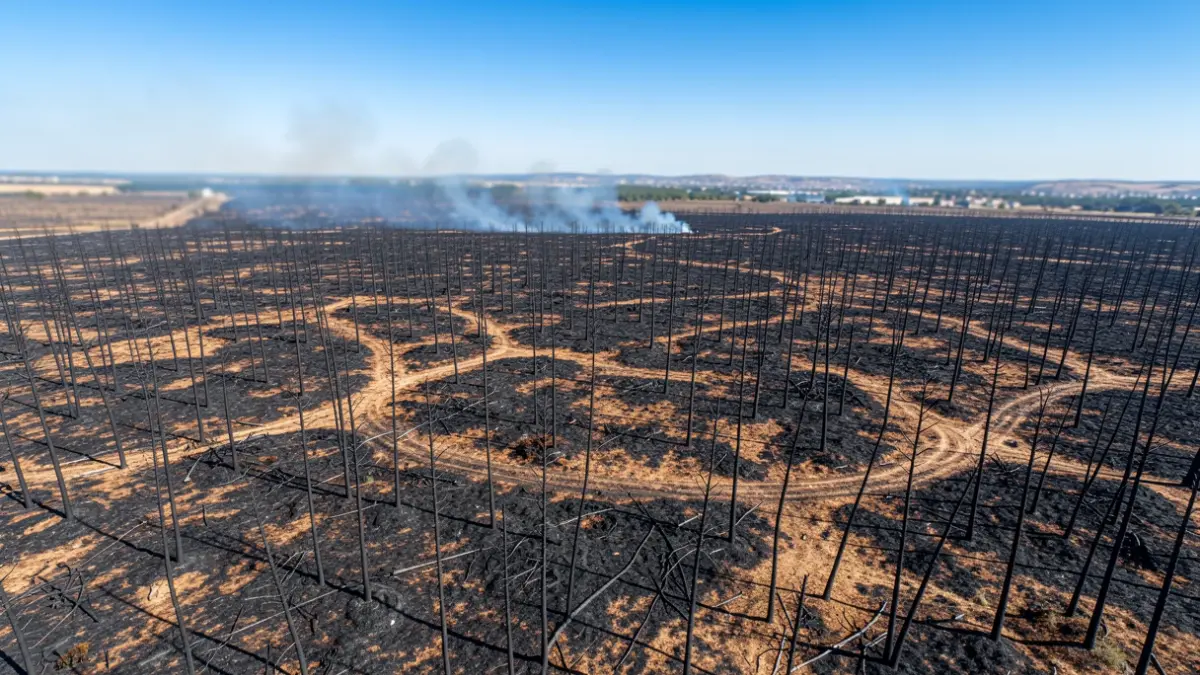
The Governing Council has greenlit a set of actions combining immediate responses with medium and long-term plans. These measures aim to restore normalcy for over 56,000 affected residents in locations such as Aldea del Fresno, El Escorial, Navalagamella, Robledo de Chavela, and San Martín de Valdeiglesias, among others.
In terms of housing, 30 million euros will be allocated to assist families who have lost their homes. Aid will include access to Social Housing Agency (AVS) properties, direct financial assistance to cover rent for up to 12 months, and subsidies for the repair and reconstruction of damaged properties.
The mental health of residents and emergency teams will be bolstered with mobile units, psychologists, and social workers. Procedures for repairing health centers will be expedited, and water quality will be tested in municipalities not dependent on the Canal de Isabel II. A specific channel on the Virtual Health Card will allow for psychological support requests.
Administrative procedures will be automatically extended by 10 business days to prevent bureaucratic chaos, covering deadlines for expiration and prescription. Fire Aid Points (PATI) have been established in affected towns to offer psychological support, information, and guidance.
The municipalities themselves will receive 20 million euros for cleaning, infrastructure repair, and basic service restoration. The landscape recovery plan includes forest restoration, planting native species, and establishing feeding stations for wildlife.
Waste management is being streamlined, allowing municipalities to set up new storage points and treatment plants to increase capacity. Local administrations will be exempt from the state landfill tax, and waste classification will be simplified.
Water bills will see an 80% reduction in the variable tariff for affected users for one year. Canal de Isabel II will supply drinking water tankers and cover the cost of replacing damaged water meters.
10 million euros will be allocated to enhance support for vulnerable families, including children, the elderly, and residents of social health centers. Advanced Teleassistance will be reinforced, and the safety conditions of evacuated residences will be inspected.
A new website developed with CaixaBank will centralize donations. The Community will invest 2 million euros to subsidize the priority hiring of unemployed individuals for recovery tasks and will launch a mobile employment office.
Tax reductions of 100% will be applied to donations, on the Property Transfer Tax for purchasing replacement vehicles and homes, and on the Stamp Duty for property acquisition.
The Community has requested the central government to urgently activate the European Union Solidarity Fund. Over 15 million euros in direct aid for businesses and self-employed are announced, including one-time payments, social security contribution financing, and subsidies for equipment replacement.
A 1 million euro aid line for the digital recovery of businesses has been created, offering up to 10,000 euros per self-employed individual or SME to replace IT equipment and digital systems. Specialized support will be provided.
Nearly 200 kilometers of damaged roads will be restored, and a temporary on-demand car-sharing service will be launched to mitigate mobility issues in the rural area.