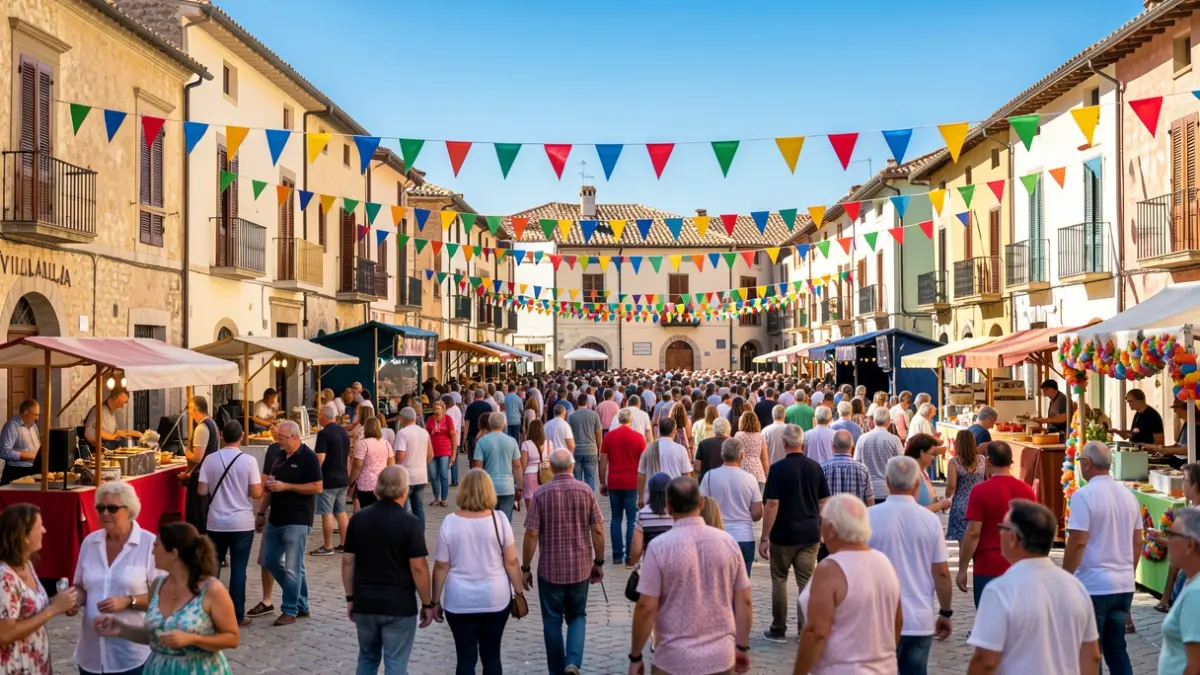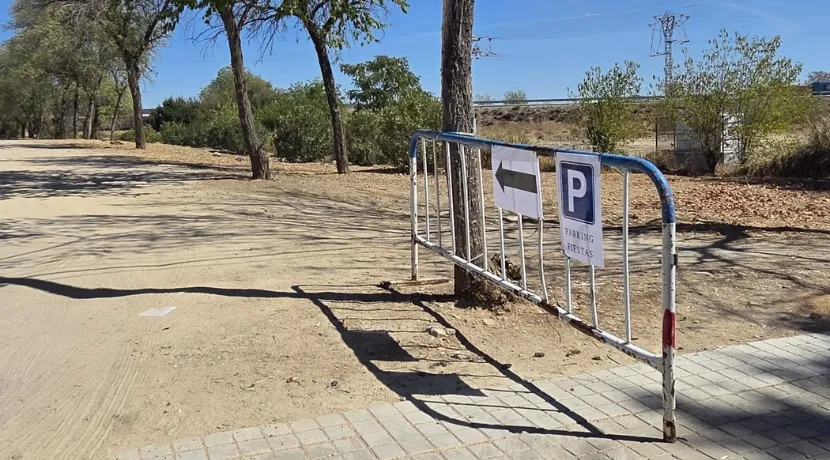
The race, which brought together residents and runners, covered 7.4 kilometers, a symbolic distance representing the average distance separating Spanish citizens from their nearest bank branch, according to data from the INE and the Bank of Spain.
Navalafuente, with 1,693 inhabitants, is one of the municipalities in the Community of Madrid that previously lacked an ATM, forcing its residents to travel to nearby towns like Guadalix de la Sierra, 6 kilometers away, for basic transactions.
“"Access to cash remains an essential service for many people. With the Cash Race, we want to highlight a reality that affects not only remote rural Spain but also municipalities very close to large urban centers. Our model was born precisely to bring basic financial services where they are most needed."
As part of the initiative, a Nickel Point was inaugurated in a local tobacconist, allowing residents to open accounts and withdraw cash in their own municipality, reducing the need for travel and fostering financial inclusion. This model relies on over 2,500 Nickel Points across Spain, utilizing local businesses as partners.
The issue of cash access is more widespread than it appears. The progressive closure of bank branches has made it difficult to access basic financial services in Spain. According to the Bank of Spain, 214 branches closed in the last year, leaving 17,168 by September 2025. 74% of Spaniards consider cash important in their daily lives, and 52% point to branch closures as a factor hindering its use, particularly affecting the elderly and those with less access to digitalization.