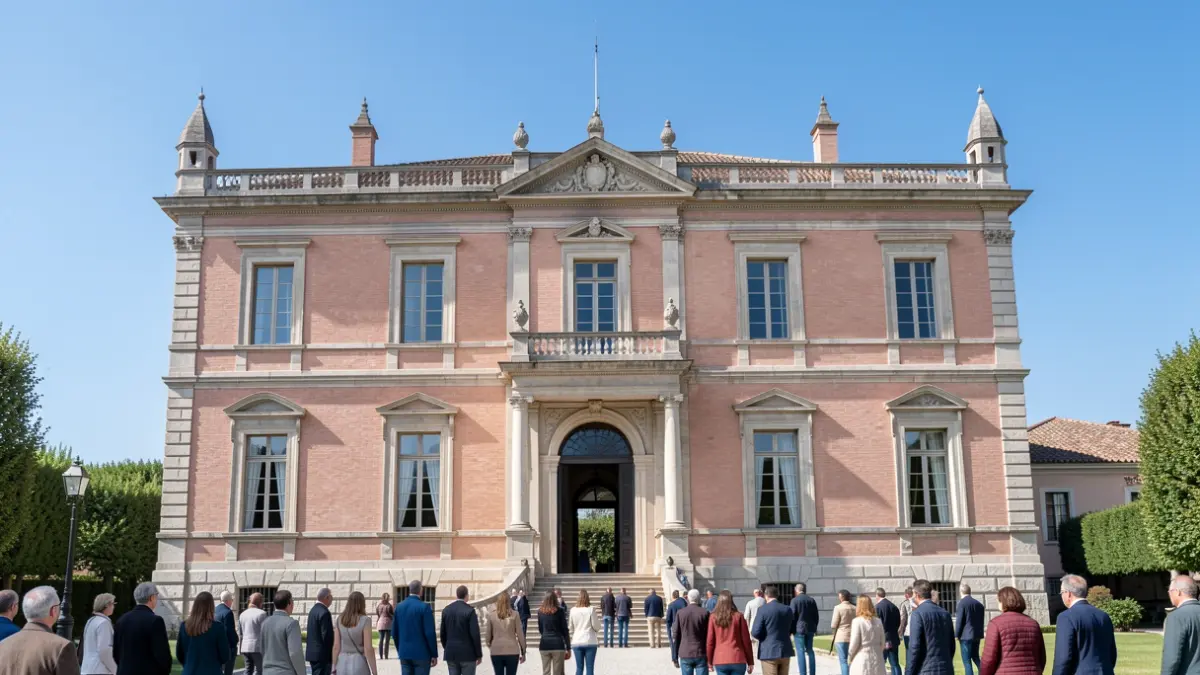
Just 30 minutes from the center of Madrid, hidden among historic gardens and an extensive natural environment, lies the Infante Don Luis Palace, one of the most unique and unknown palatial complexes in the Community of Madrid. After centuries of silence, the building is experiencing a second life thanks to an ambitious restoration and cultural revitalization process aiming to make it a major heritage and artistic focal point in western Madrid.
Designed by Ventura Rodríguez at the behest of Infante Don Luis Antonio de Borbón y Farnesio, brother of Charles III, the palace is a prominent representation of Spanish late Baroque and Neoclassicism from the 18th century. Declared a National Monument in 1974 and an Asset of Cultural Interest, the complex embodies the Enlightenment spirit of an era marked by art, music, and architecture.
Javier Nicolás, councilor for Historical Heritage and Tourism of the Boadilla del Monte City Council, highlights its significance: “It has the entire configuration of a grand palatial complex: gardens, orchards, a pond, a water wheel, a hydraulic system… all of which gives it enormous importance within Madrid's historical heritage.” The palace's history dates back to 1761, when the infante acquired the lordship of Boadilla and commissioned Rodríguez to create a modern residence on the site of the former Palace of the Two Towers.
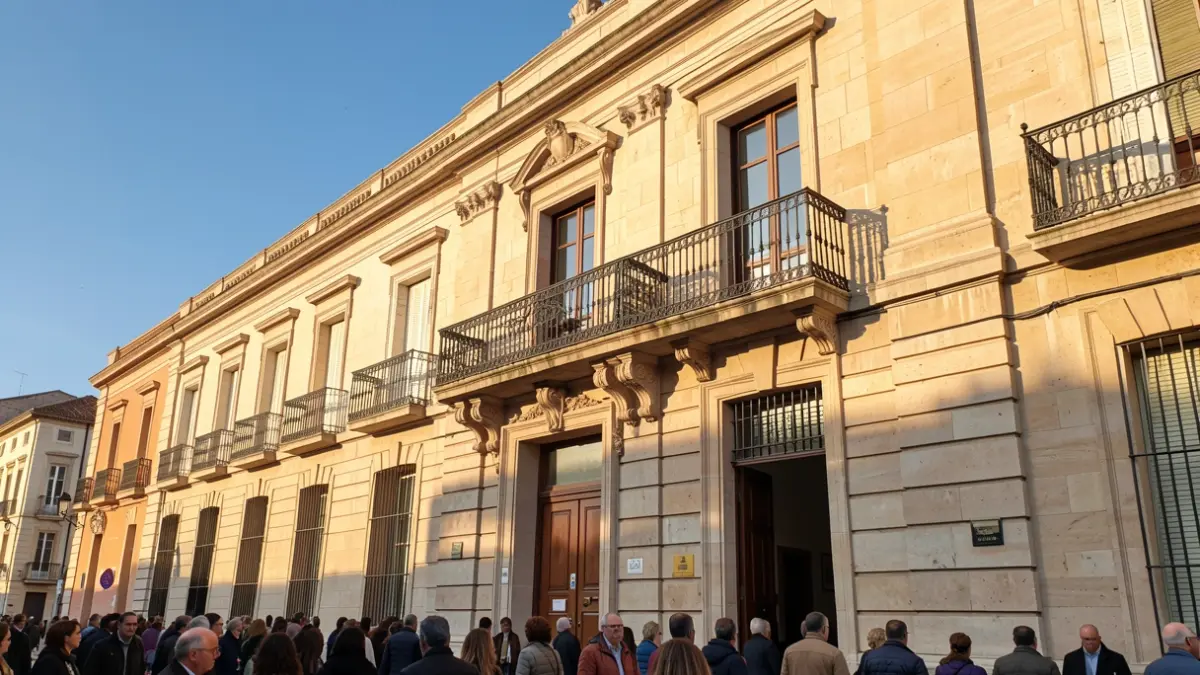
Research and restoration work have confirmed that Ventura Rodríguez built upon part of the previous structure and later expanded it, adding historical and architectural interest to the complex. The result is a building with an elongated rectangular plan, sober in appearance but meticulously conceived, with a main facade organized into three levels and topped with small turrets. Constructed primarily from brick rendered in pinkish tones and stone for ornamental elements, the palace conveys balance and monumentality.
The complex was designed as a space open to nature, integrated into a system of terraced gardens, orchards, and ponds that visually extended the architecture into the natural surroundings. Between 1765 and 1776, the palace was a major cultural center of Enlightenment Spain, frequented by figures such as the musician Luigi Boccherini, the painter Francisco de Goya, and other court-linked artists. It is believed to have housed works like Velázquez's 'Crucified Christ'.
Infante Don Luis, the younger brother of Charles III, lived a life away from strict court conventions, marked by political and personal tensions. His desire to marry, initially prevented by the king due to fears about his children's succession rights, culminated in marriage in exchange for his definitive removal from the Madrid court. This history contributes to the palace's unique aura.
Within the palace, the chapel stands out for its marvelous architecture, considered one of Ventura Rodríguez's most important works. It represents an extraordinary example of Spanish Neoclassicism with strong Roman Baroque influence, using marble, stucco, and bronze for rich decoration that contrasts with the building's exterior sobriety. Its dome directly recalls the grand Italian architectures of Bernini and Borromini.
After the infante's death, the palace lost prominence and gradually fell into disrepair. The Boadilla del Monte City Council acquired the building in 1999, initiating a slow recovery that accelerated from 2011 onwards. Continuous work has been carried out on gardens, orchards, kitchens, and interior spaces, including the restoration of the east wing and the old kitchens, where underground galleries were discovered.
The Community of Madrid has participated in various conservation efforts, consolidating structures and restoring historical elements. The recovery also includes the Bird House and the historic Aviary, rehabilitated as auxiliary spaces. The Bird House is a unique case in Spain, designed to house live animals within a palatial complex.
The restoration project continues with a new phase focusing on exterior carpentry, roofs, and structural consolidation, aiming for one hundred percent restoration. The overall plan involves investments close to 20 million euros.
The ultimate goal is to transform the palace into a major cultural and heritage center. 'We want to turn it into a first-class cultural center in the Community of Madrid,' states Javier Nicolás. 'That is the great challenge.'
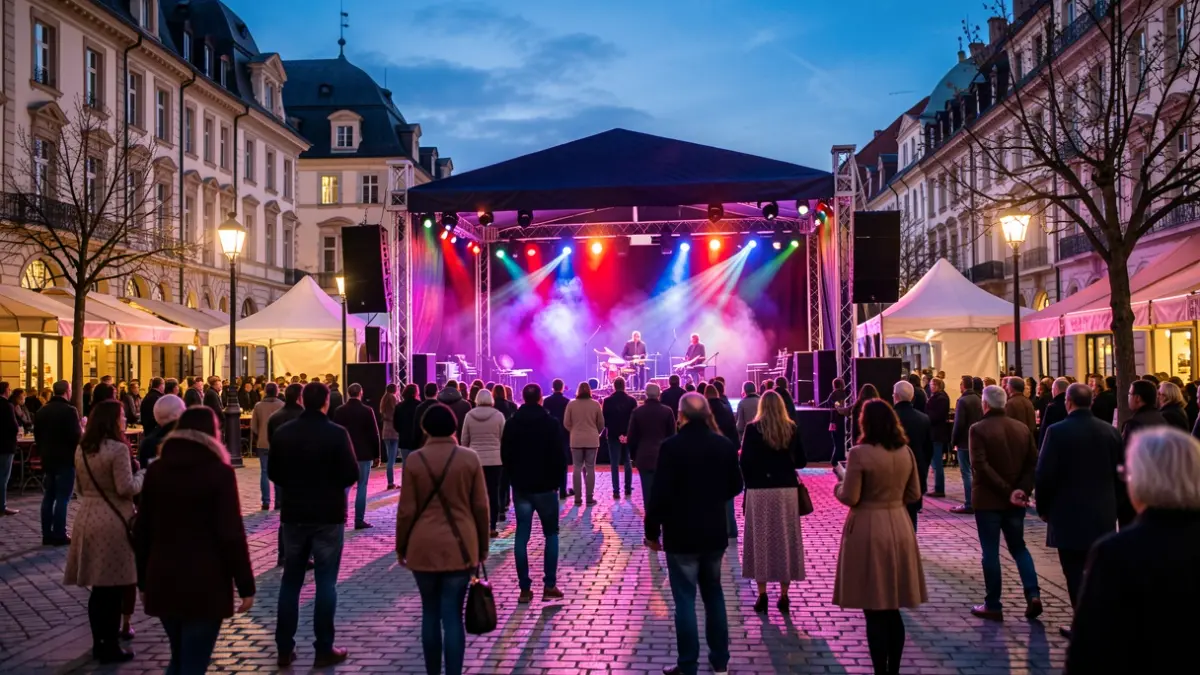
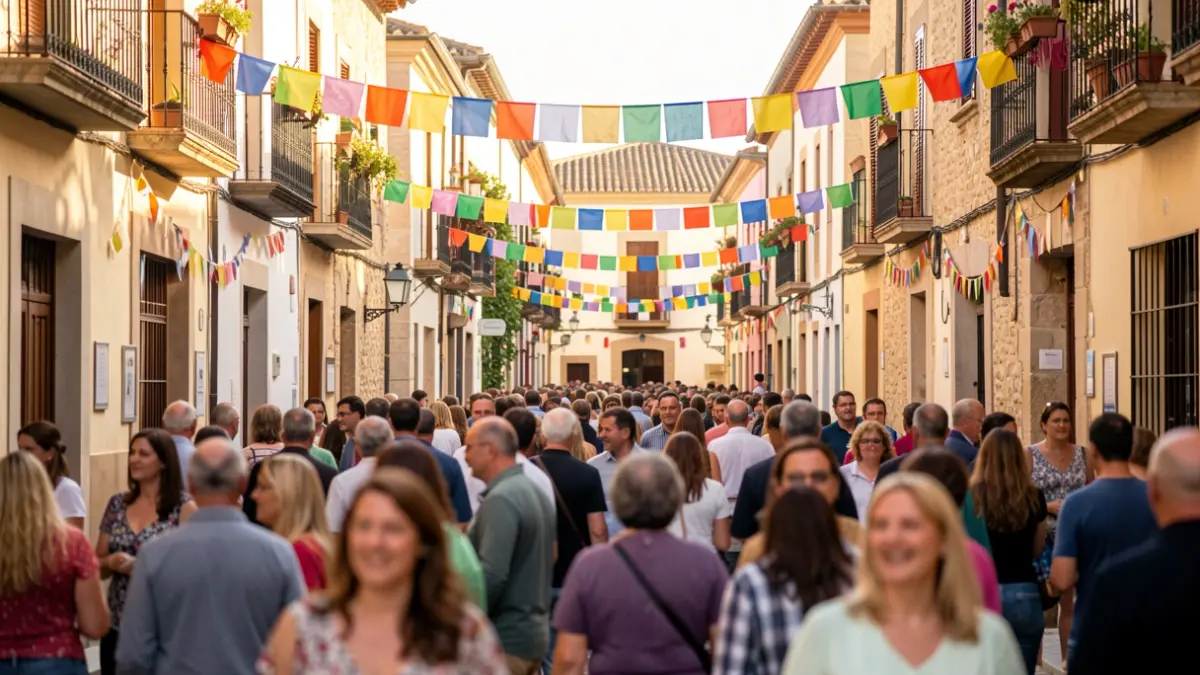
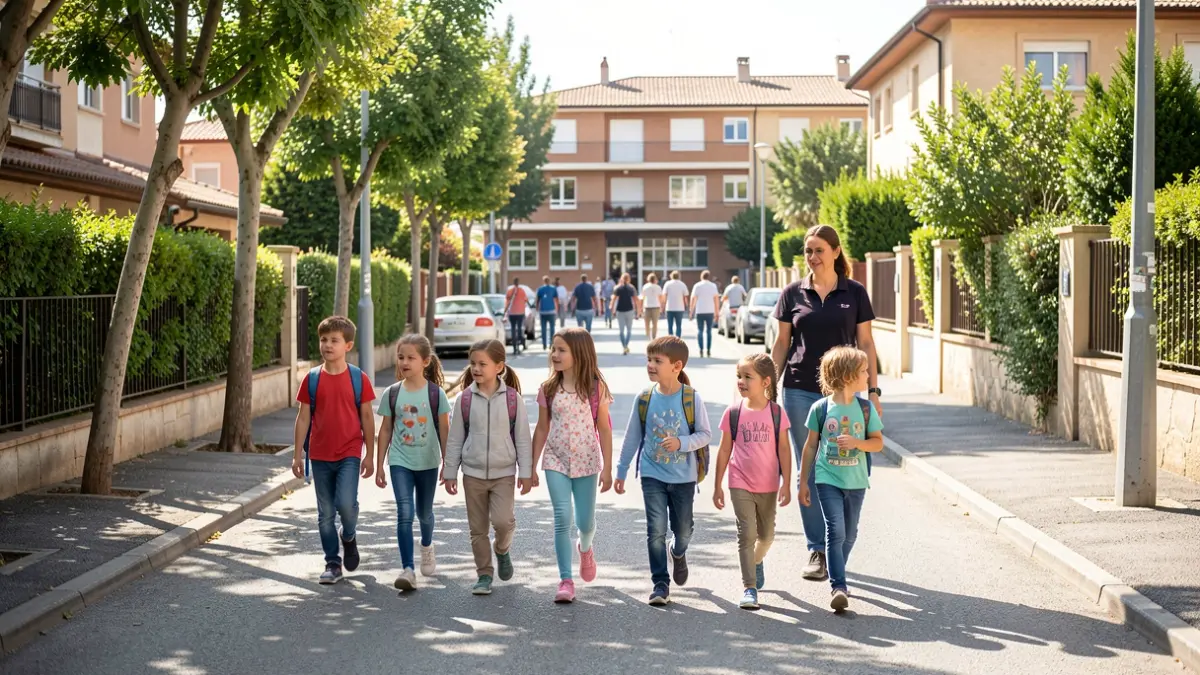
The palace has become a vibrant cultural venue, hosting exhibitions, concerts, theatrical tours, and family activities throughout the year. 'We focus a lot on families,' explains Nicolás. 'We want people to spend the day in Boadilla, enjoy the heritage, the gastronomy, the countryside, and all the cultural offerings.'
Among the most popular activities are guided and theatrical tours, allowing visitors to explore the rehabilitated areas and relive the history of Infante Don Luis and his Enlightenment court. The exhibition program has also grown in scope and quality, currently featuring 'Matisse. Color as Language,' with over fifty graphic works by the French artist. The venue also hosts exhibitions of painting, photography, historical models, and contemporary art.
Events such as the Neapolitan-Goyesque Nativity Scene have seen significant growth, increasing from 4,000 to over 28,000 visitors. Musical festivals like the Luigi Boccherini Festival, book fairs, summer concerts, and historical reenactments are also held.
The historic gardens serve as the venue for the Associations Fair, bringing together local groups and visitors. The City Council is preparing new permanent exhibition projects, including a pictorial gallery dedicated to the kings of Spain created by Augusto Ferrer-Dalmau's workshop.
For decades, the Infante Don Luis Palace was one of the Community of Madrid's great heritage secrets. Today, thanks to its rehabilitation and the intense cultural programming driven from Boadilla del Monte, the building is finally beginning to occupy its rightful place. 'Many people are surprised when they discover the palace,' concludes Javier Nicolás. 'They constantly tell us: “We didn’t know something like this existed so close to Madrid.”'