The event, held over two weeks, saw thousands of people of all ages experience science first-hand. The initiative, organised by the madri+d Foundation for Knowledge, aims to bring research and innovation closer to society.
UCM was the main organiser of the programme, coordinated by the Unit for Scientific Culture and Innovation (UCC+I) of the Knowledge Transfer Office (OTC). Activities covered a wide range of disciplines, from chemistry and art to microbiology and veterinary science.
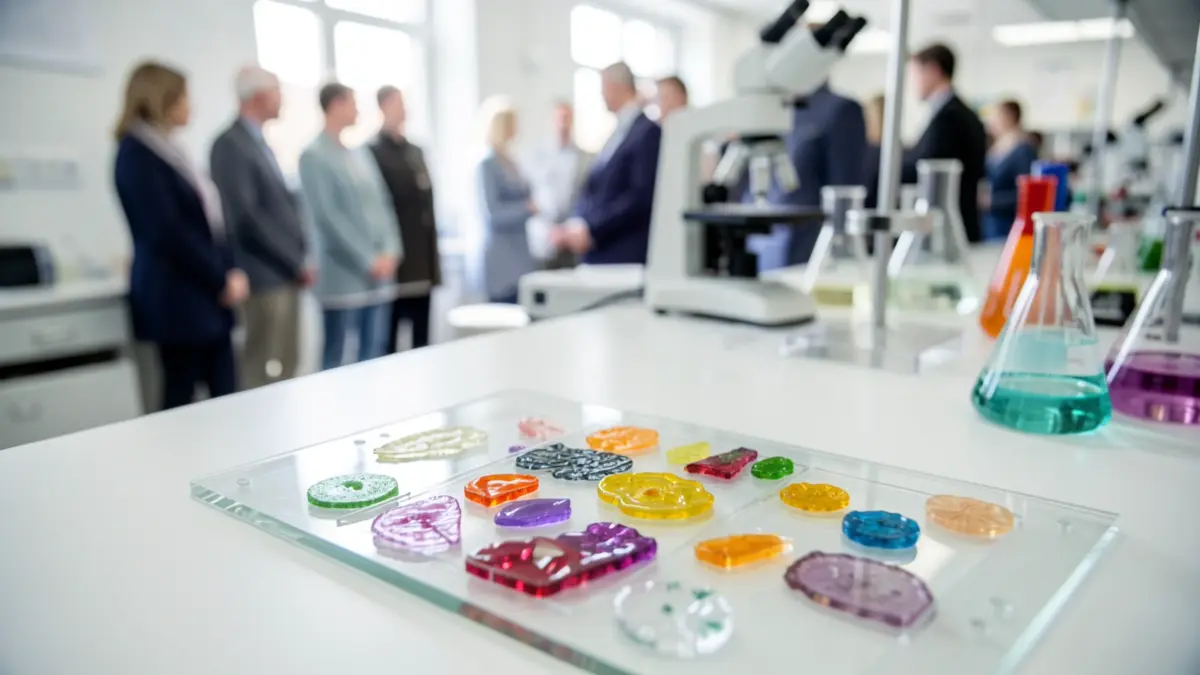
Highlights included practical workshops such as 'Glass, Colour and Chemistry: The Tiffany Technique in Sculpture', where participants learned about the history and composition of glass, and 'A Selfie to the Invisible World', an activity where secondary school students analysed oral microbiota using microscopy.
Interactive activities such as 'Farm Detectives', aimed at primary school pupils, sought to raise awareness about parasites and hygiene through games and clues. At the Faculty of Chemical and Physical Sciences, experiments on fluorescence, states of matter and control engineering were conducted.
The Science and Innovation Week has established itself as the largest and longest-running science outreach event in the Community of Madrid. The UCM programme is part of the '#CienciaUCM: 2026-27 Activity Programme', funded by the Spanish Foundation for Science and Technology (FECYT).