The research team, whose findings were published in the scientific journal Bioinspiration & Biomimetics, includes Professor Carlos Relaño Gibert from UPNA and Professors Concepción A. Monje Micharet, Alberto Rodríguez-Sanz, and Lisbeth Mena from the RoboticsLab at UC3M. The gripper's functionality and assembly can be viewed in videos available on YouTube.
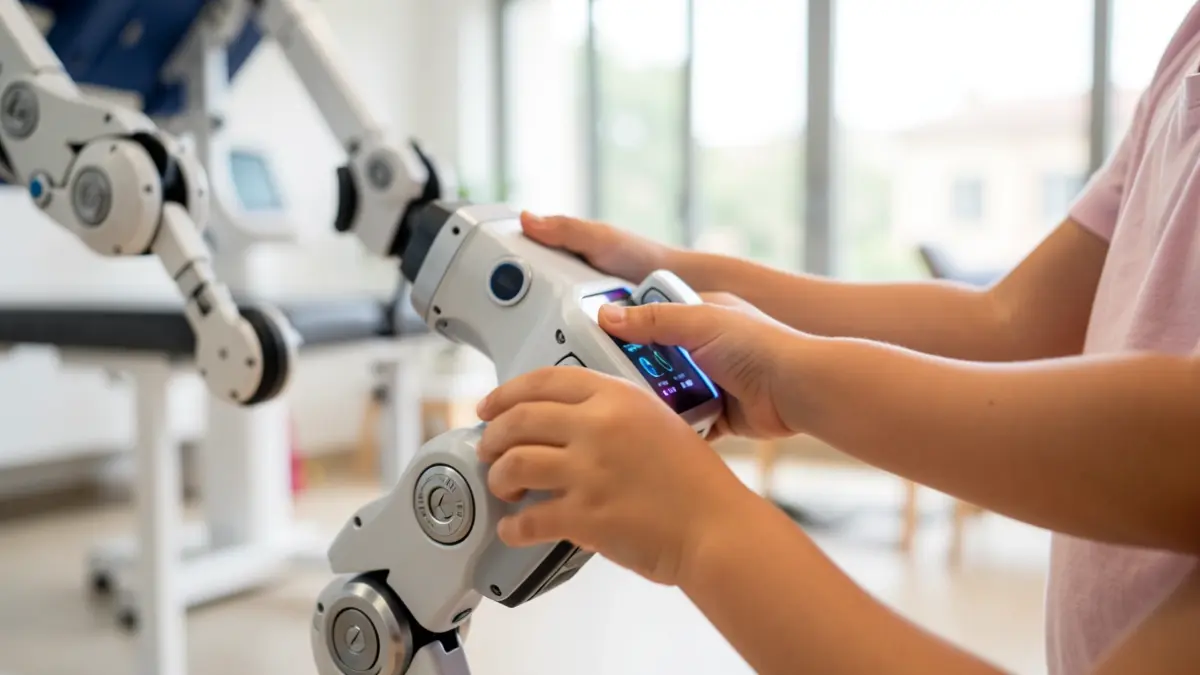
Unlike rigid industrial robots, which require precise knowledge of object shape and can pose safety risks, soft robotics employs flexible materials. These robots adapt to touch, much like human fingers, making them ideal for handling fragile or irregularly shaped items and for operating safely near people.
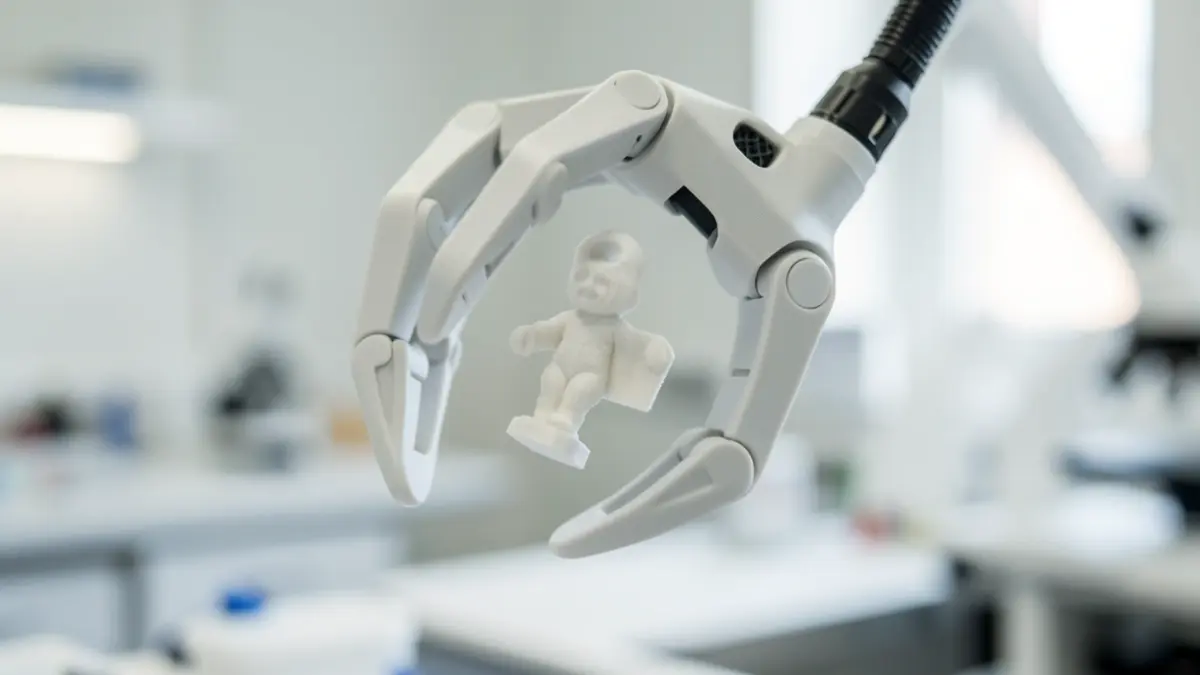
The primary innovation of this gripper lies in its post-grasp manipulation capabilities. Featuring three soft fingers, each with three degrees of freedom, the gripper can bend and rotate at its base. This coordinated movement allows the object to roll between the fingers and be reoriented without interruption of the grip. Researchers liken this dexterity to the human ability to twist a bottle to read a label or unscrew a lightbulb, actions that are challenging for conventional robots.
The gripper's modular design allows for the independent assembly and disassembly of its three fingers, simplifying the replacement of a damaged finger. Tests conducted with diverse objects, including water bottles, tissue boxes, 3D-printed figures, screwdrivers, and artificial roses, have demonstrated the system's reliability in maintaining grip.
The potential applications for this technology are extensive, covering tasks that require adjusting an object's hold without releasing it. This includes orienting parts during assembly, manipulating delicate items in sectors such as food, logistics, or laboratories, and in collaborative and assistive robotics, where safety and environmental adaptability are paramount.