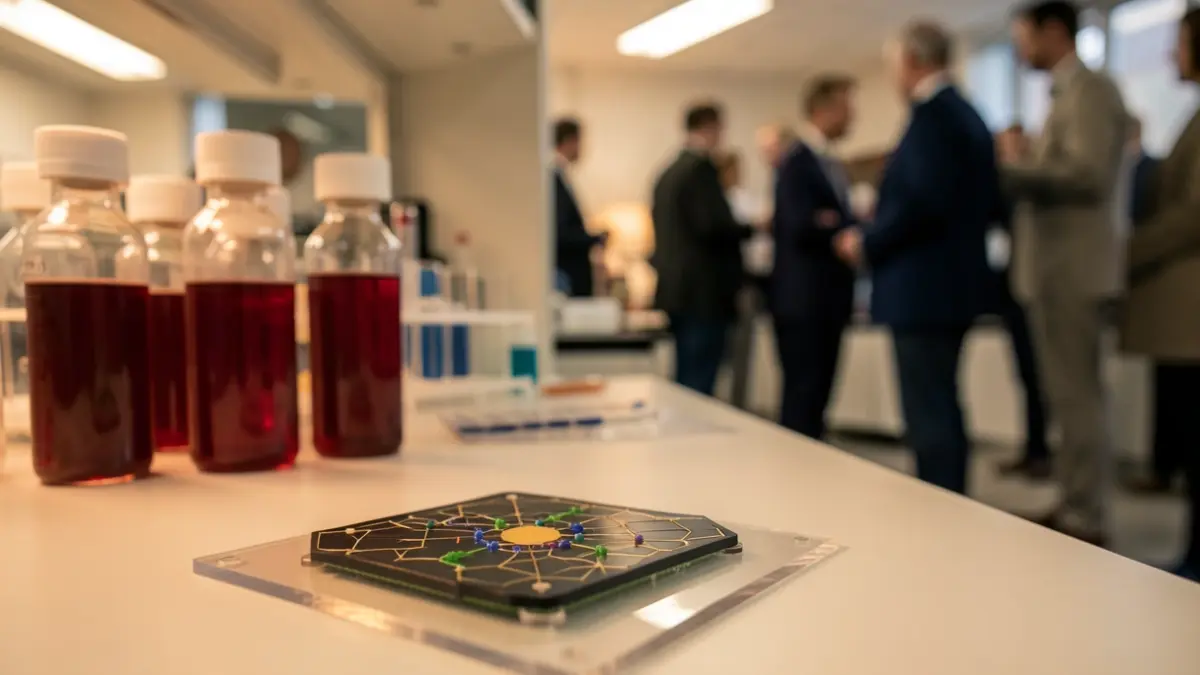
The proposals, originating from the UCM Acelera and SpeedLab UCM acceleration programs, cover strategic areas such as artificial intelligence for medical diagnosis, graphene biosensors, and radiation detection. The event, organized by the UCM's Knowledge Transfer Office (OTC), received institutional support from the Innovation Directorate General of the Madrid City Council and the Community of Madrid.
Lucía de Juan Ferré, UCM's Vice-Rector for Research and Transfer, acknowledged the efforts made to promote scientific entrepreneurship. Estefanía Morales, Deputy Director of Innovation at the Madrid City Council, highlighted the importance of connecting scientific talent with the productive sector, while Vicente Parras, Deputy Director General of Technological Innovation for the Community of Madrid, emphasized the high caliber of the Complutense research teams.
The six technological projects ready for scaling are: OSTEOIA (AI for detecting osteomyelitis in diabetic foot), CHRONICARE (AI for early diagnosis of chronic kidney disease), THE SESSION (AI clinical simulator for interview training), LATITUD Lab (geolocated data system for urban planning), Q-RAS (modular intelligent gamma radiation detection technology), and GRAPHERIA (portable graphene biosensor platform to differentiate infections).
Following the presentations, research teams held individual networking meetings with attending investors and institutional representatives to explore funding opportunities and collaborations. The UCM OTC thus consolidates its commitment to knowledge-based entrepreneurship as a driver of development.