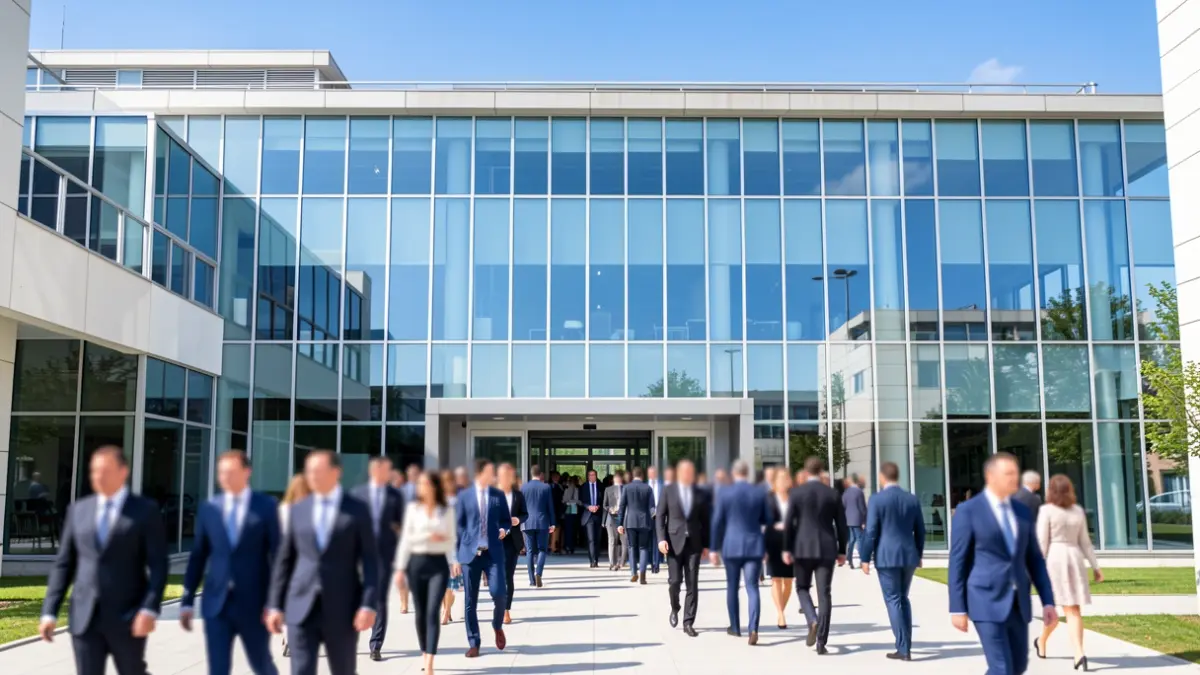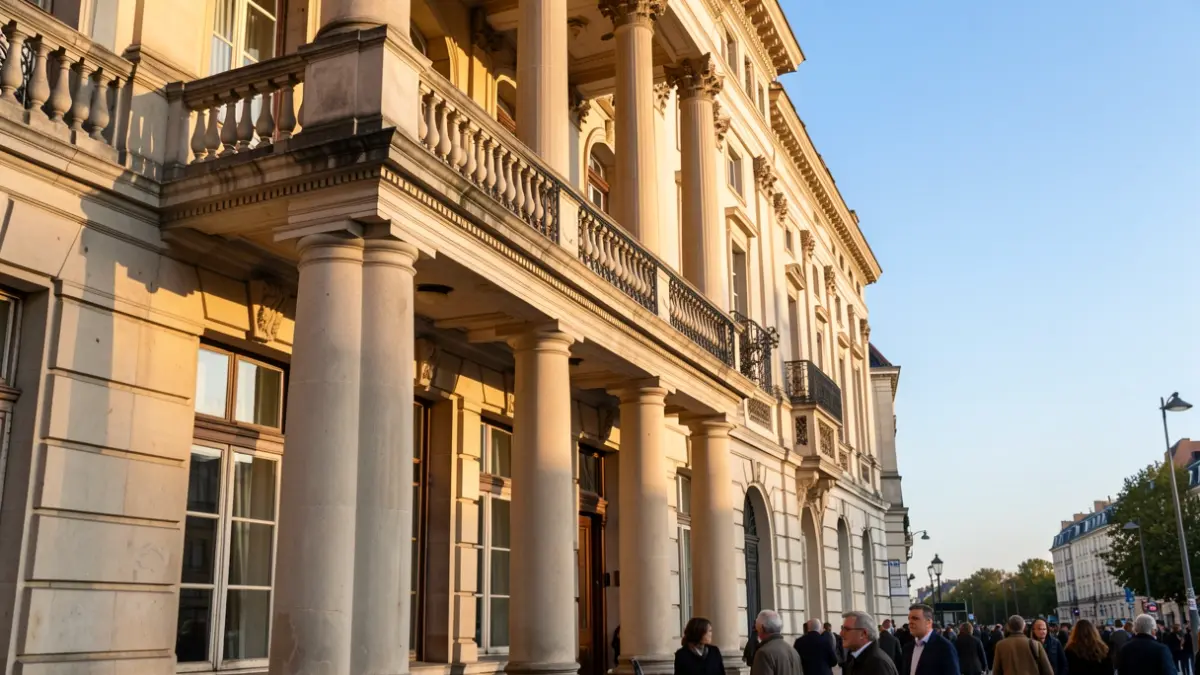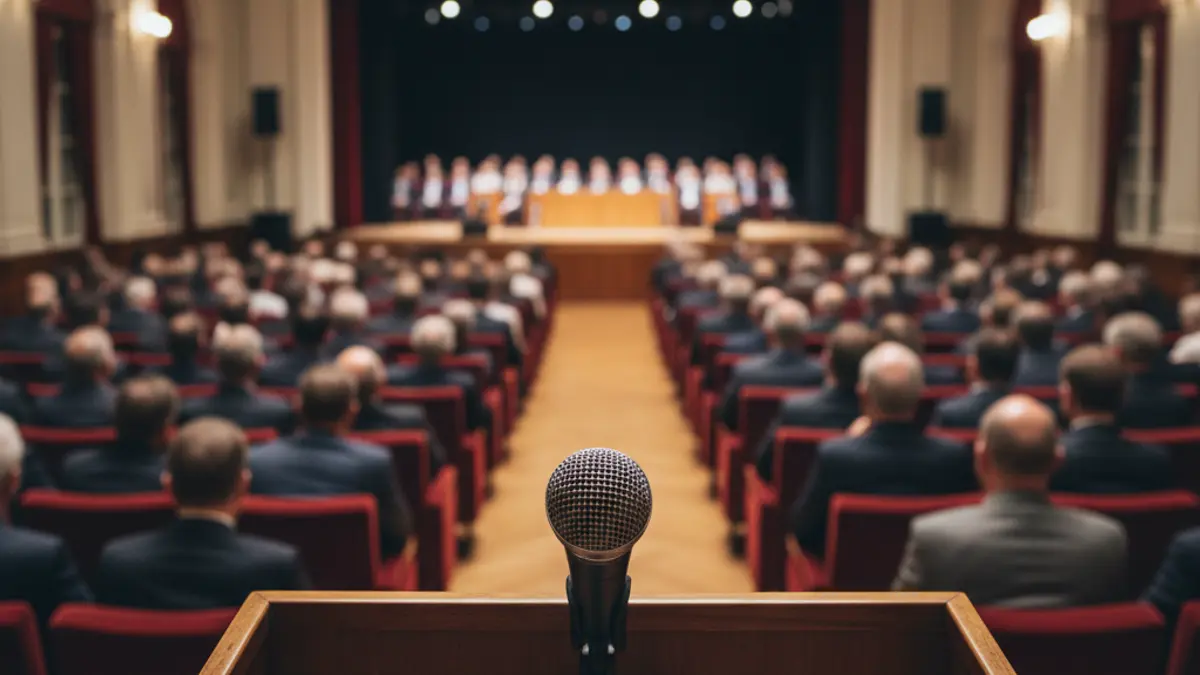
The Official College of Architects of Madrid (COAM) hosted the II Tourism Conference, an event organized by Madridiario that gathered institutional representatives, experts, and business leaders. The main objective was to analyze the challenges and opportunities of the tourism sector in a constantly evolving international landscape.
Under the title 'Madrid, facing the new global tourism cycle: international events, connectivity, and new traveler trends', the conference highlighted the crucial moment the capital is experiencing in its tourism positioning. The arrival of major events, geopolitical changes redefining visitor flows, and the consolidation of new segments of high-value travelers place Madrid in a growth phase that demands adaptation and global competitiveness.
“"The City Council has been promoting a tourism model with purpose for years, focused not on increasing the number of visits, but on attracting a tourist profile that generates greater economic impact and contributes to the stability of the sector throughout the year."
The municipal strategy aims to desensitize tourism, promoting the stability of the sector and employment throughout the year. The importance of major events was emphasized not as an end in themselves, but as an opportunity for travelers to have unique experiences. The regulation of tourist-use housing was also addressed, defending municipal regulation over prohibition to balance tourism with neighborhood life.
The first debate panel, 'Madrid, global capital of major events: from Formula 1 to the Pope's visit: the tourist impact of mega-events', explored the economic and reputational impact of these events. The tourist and media potential of Pope Leo XIV's visit was highlighted, as well as Madrid's ambition with Formula 1 and the consolidation of permanent motor-related activity at the Circuito de Madrid Jarama-RACE.
The second panel, 'Traveling in an unstable world: geopolitics and new international tourism', analyzed how global conflicts and changes in air routes affect tourism. Safety was highlighted as an absolute priority in aviation, and Madrid's opportunity to consolidate itself as a strategic hub between Europe and Latin America, enhancing its cultural, gastronomic, and urban offerings.
“"Madrid is today an international reference because it has understood that it is not just about receiving visitors, but about generating economic activity, reputation, and opportunities."
The closing of the conference defended the strategic role of tourism in the economy of Madrid and Spain. It was stressed that technology should be a support and not a substitute, and that the sector will continue to be key in job creation. Growth based on added value was advocated, avoiding mass tourism and moving towards a sustainable model, with the need to reinforce infrastructure for large international congresses and events.