The Foundation for Knowledge madri+d, under the Ministry of Education, Science, and Universities, has gathered more than 700 institutions and 3,000 professionals to organize a program including courses, workshops, conferences, round tables, open days, guided tours, exhibitions, excursions, contests, and virtual activities.
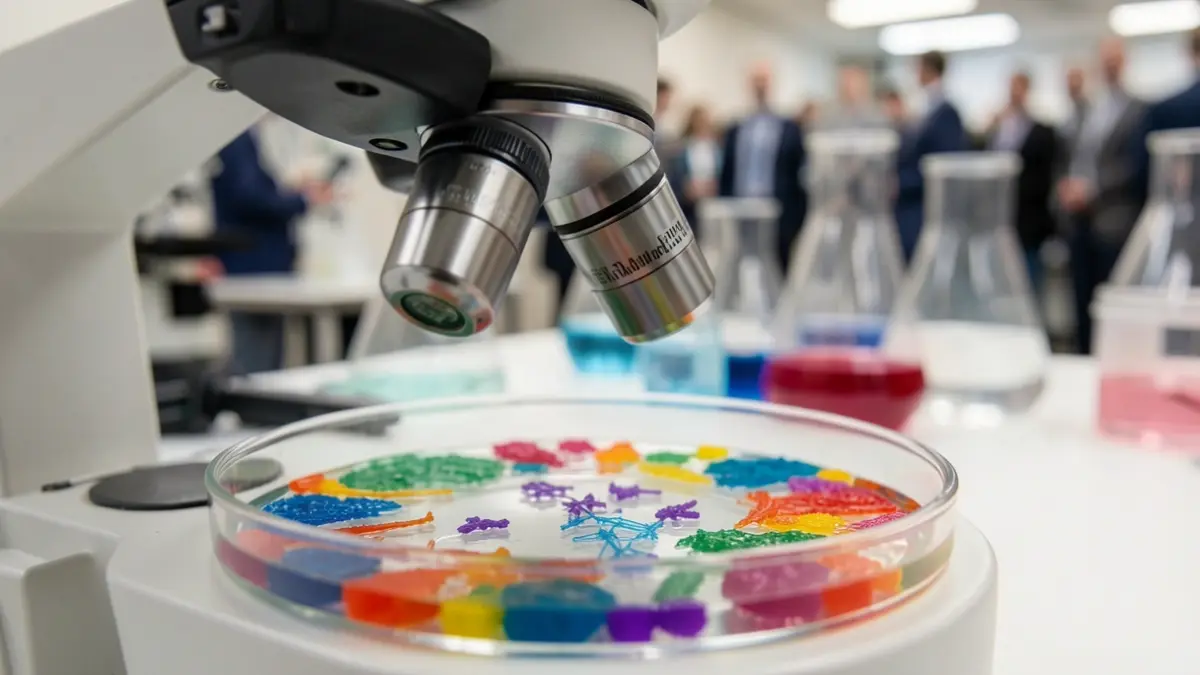
The Madrilenian Institutes for Advanced Studies (IMDEA) are participating by opening their facilities in Móstoles for ESO, Bachillerato, and FP students to learn about future energy technologies and projects. The Public University of Alcalá will offer workshops on forensic anthropology, food labeling analysis, and functional foods. The Complutense University of Madrid proposes activities such as photographing oral microorganisms under a microscope, cloning plants, searching for parasites in wildlife blood, and analyzing the use of Spanish in popular culture to challenge artificial intelligence.
At the Autonomous University, younger participants will play to discover pioneering women in condensed matter physics, and at the Ramón Rubial Senior Center in Alcobendas, attendees will explore how exercise and stimulation influence the aging brain. The Carlos III University of Madrid will explain how to stop space debris, challenge students with math problems, and teach how to create smart coatings that change color when a prosthesis gets infected.
The Polytechnic University will measure plant thirst and explore aromatic plants, while the Rey Juan Carlos University will transform potatoes, corn, and wheat into industrial plastics and teach how to detect manipulations in graphics, news, and AI-generated content.
The complete program, featuring a search engine by date, municipality, institution, discipline, and audience type, can be consulted on the event's official website: www.semanacienciamadrid.org.