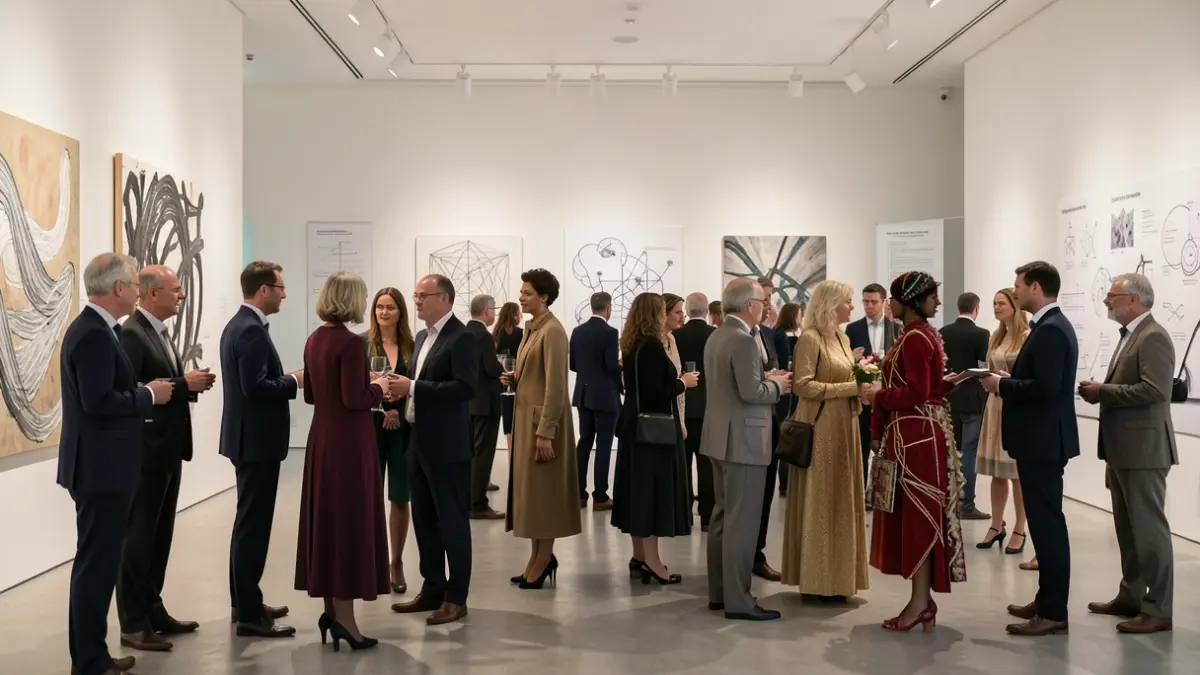
The inaugural day, held on Thursday, October 1st, featured various performances and screenings. María Cabrera (IH-CCHS-CSIC) opened the stage with the dance piece Goyesca, by Teresina Boronat. Subsequently, attendees enjoyed poetry by Carlos Briones (CAB-CSIC-INTA), accompanied by the flute of Miriam Ridruejo.
The program continued with the documentary El origen de la vida (LifeHUB CSIC), the play El tercer elemento (TeatrIEM), the short film Cajal libremente (CNC-CSIC), and a dramatized reading of La entrevista, by Gustavo A. Schwartz (CFM-CSIC-UPV/EHU) and Luisa Etxenike.
The biennial also includes three round tables where CSIC staff will share learnings with creators such as José Ramón Ais, Laura Santos, or Roberto Torres, as well as representatives from institutions like the Universidad Internacional de Andalucía and the Thyssen-Bornemisza Art Contemporary.
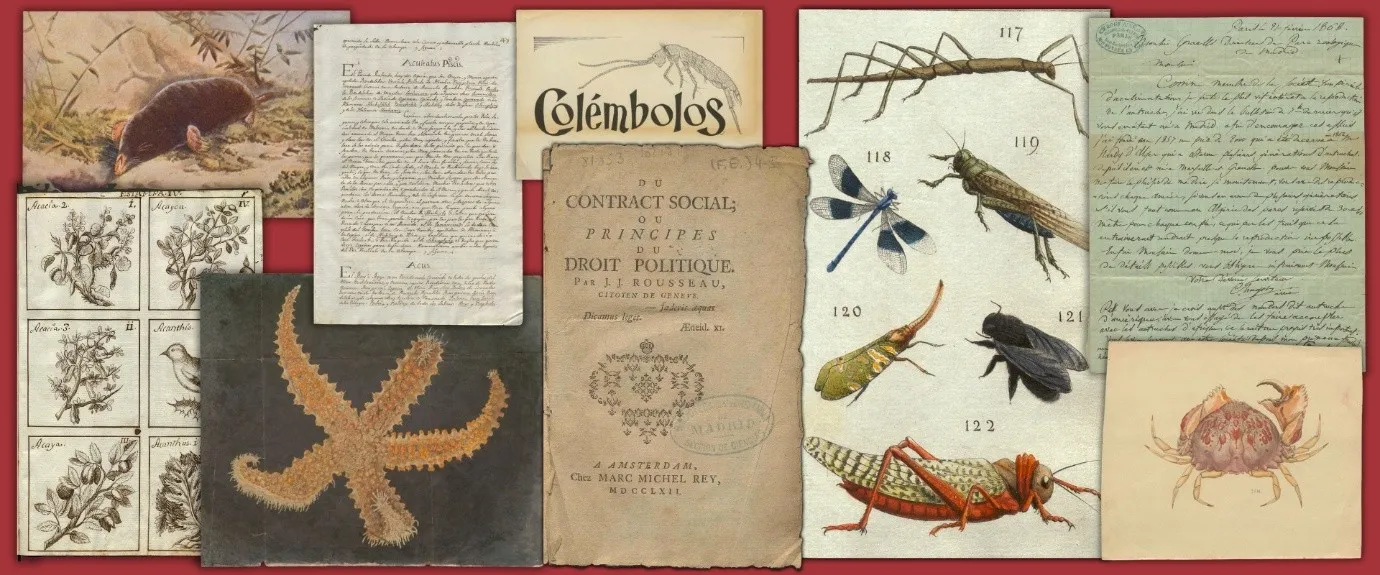
Until October 7th, attendees can visit the exhibitions Planktographica, FOTCIENCIA21, El esqueleto del cambio climático, and Arte Plumario: Naturaleza, Identidad y Poder at various CSIC venues and the National Museum of Natural Sciences.
This event is part of the celebration of the 120th anniversary of the Junta para la Ampliación de Estudios e Investigaciones Científicas (JAE), the predecessor institution to the CSIC. According to Pura Fernández, Deputy Vice-President of Scientific Culture and Citizen Science at CSIC, the goal is to 'activate and inspire CSIC staff interested in the confluence between art and science' and to strengthen strategic partnerships.