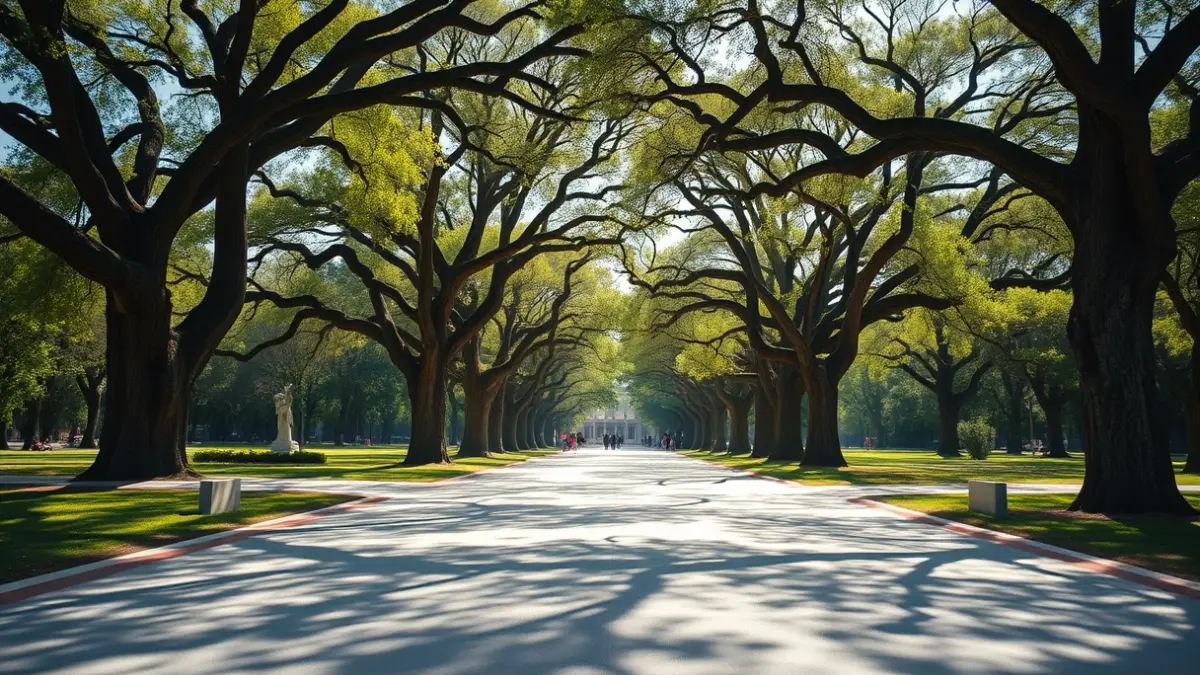
Every week, thousands of Madrileños enjoy Casa de Campo, whether for running, cycling, walking their pets, or simply seeking a break from the urban hustle. However, many are unaware that this emblematic park, now a popular symbol of the city, was for centuries a restricted territory for the majority.
The history of this vast space dates back to the 16th century, when King Philip II established Madrid as the capital. The monarchy then needed recreational and hunting areas close to power. Thus, an extensive estate was formed west of the city, designed for royal leisure and hunting activities.
For generations, Casa de Campo remained a closed, guarded, and exclusive place. While Madrid grew densely with narrow streets and crowded neighborhoods, across the river lay a huge natural landscape that most could only observe from a distance.
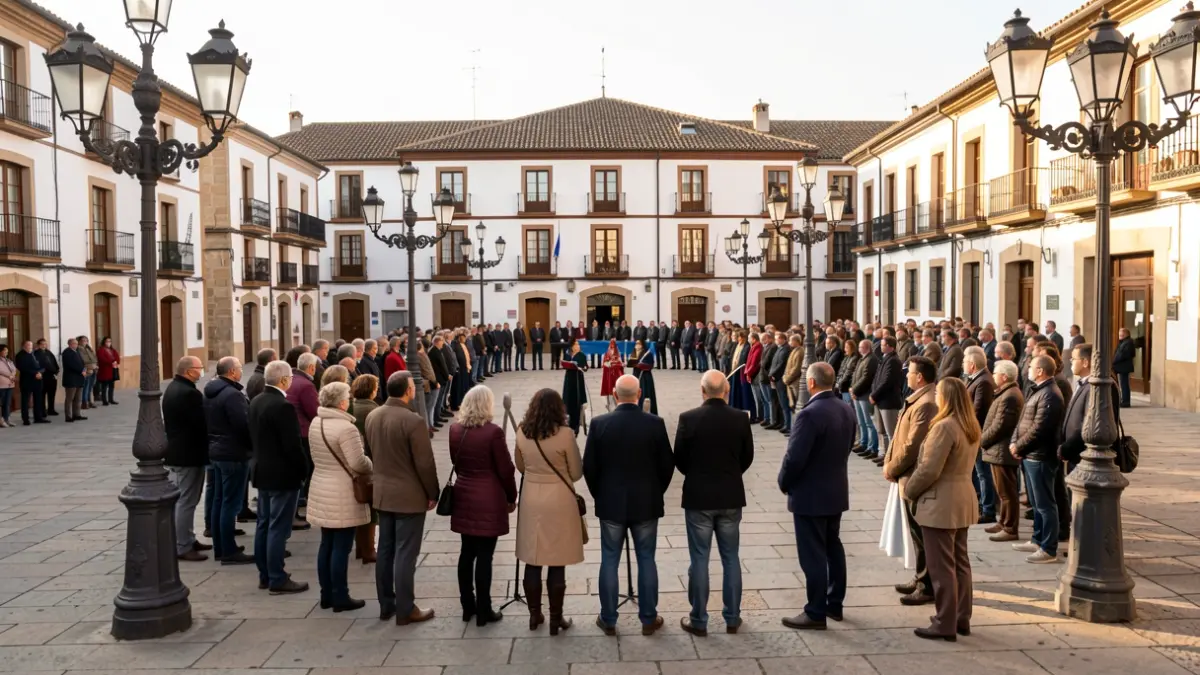
What had belonged to the Crown was finally opened to the citizenry.
The cession in 1931 radically transformed this dynamic. Entire families began to access a place that was previously inaccessible to them. What had been a symbol of privilege became a common space for all Madrileños.
Shortly after its opening, the Civil War turned Casa de Campo into the scene of intense battles during the defense of Madrid. Trenches, fortifications, and military positions temporarily replaced strolls and leisure.
Over time, the city reclaimed this territory for daily life. Sunday picnics, the lake, the zoo, the cable car, and countless family memories that have shaped generations arrived. Today, Casa de Campo is much more than a park; it is a testament to how a city is also defined by the spaces it chooses to share with its inhabitants.