The event, celebrating its 30th anniversary, was attended by Marta Rivera de la Cruz, the delegate for Culture, Tourism and Sport of the Madrid City Council, and the councilor for the Centro district, Carlos Segura, along with representatives from the Zaragoza City Council. The Royal and Illustrious Congregation of Our Lady of Solitude and Helplessness, organizers of the event, also presented an award to Rivera de la Cruz.
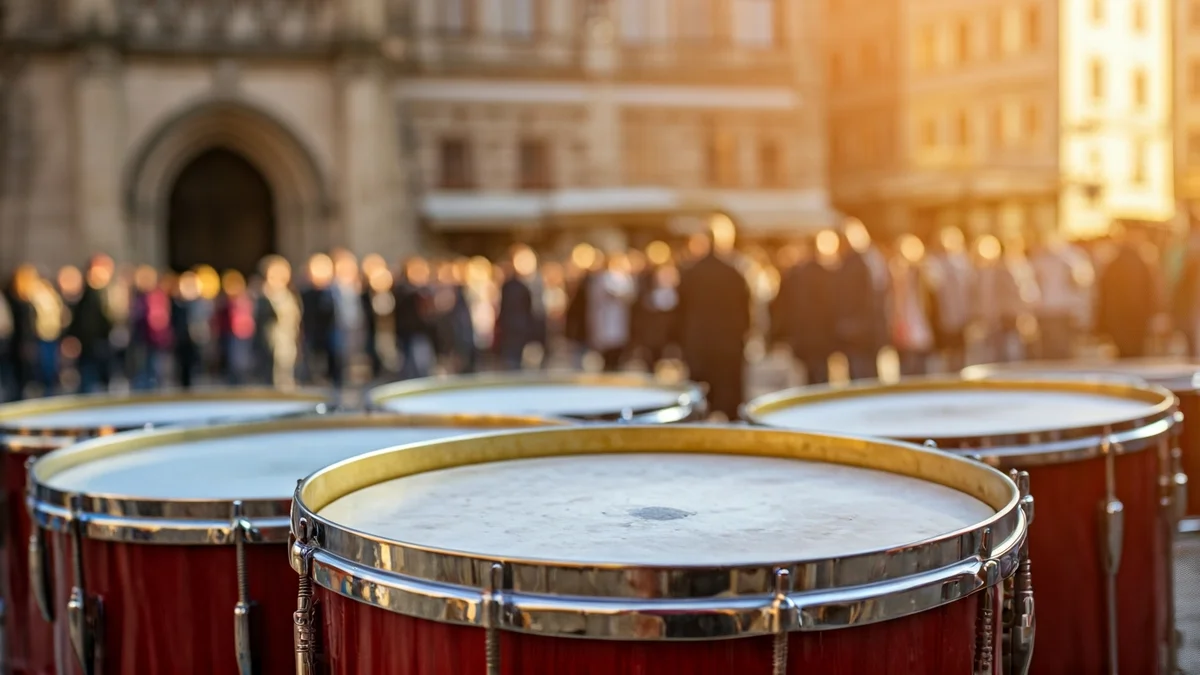
The procession began at the Monasterio de las Carboneras, in Conde de Miranda square, and proceeded through various central streets before culminating in the Plaza Mayor. There, members of the Zaragoza brotherhood, winners of the Zaragoza Holy Week brotherhood competition, resonated their drums for approximately an hour, also including the performance of an Aragonese jota.
It's the first time I've seen it, I'm really enjoying it, and it's a beautiful day.
Rivera de la Cruz highlighted the success of Madrid's Holy Week, which she noted proceeded “without incidents” and drew “hundreds of thousands of people” into the streets. She emphasized that hotel occupancy exceeded 70 percent, an “unusual” figure, and praised the “good weather” that accompanied the capital during these days.
Attendees interviewed by Europa Press Televisión expressed their enthusiasm. One woman celebrated the “recovery” of Holy Week and described the drumming ceremony as a “marvel.” Another Madrid resident highlighted the contrast between the “noise” of the drums and the subsequent “tranquility and peace,” considering it the most important religious act of the year on Easter Sunday.