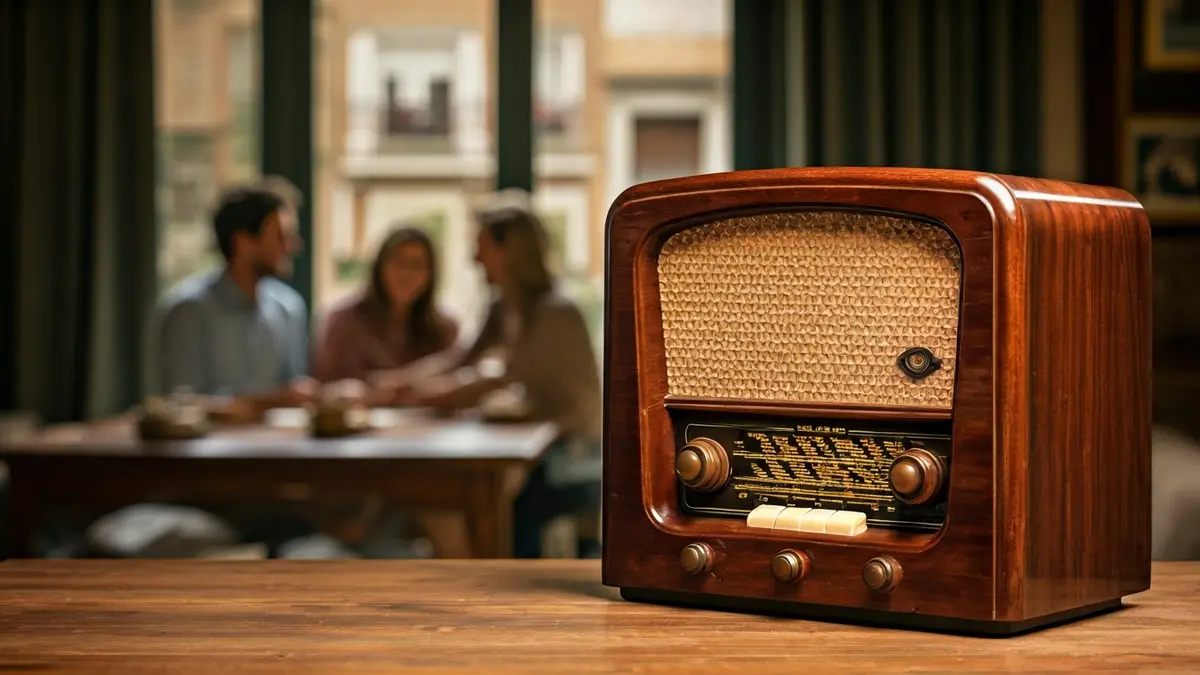
Before Unión Radio's intervention, radio broadcasts in Madrid were sporadic and lacked a defined structure. Listeners could not anticipate content or schedules, which limited radio to an unpredictable and experimental experience.
The Unión Radio project, driven by business interests from the press, industry, and telecommunications, with participation from entities such as La Papelera Española and the Compañía Telefónica Nacional de España, aimed not just to introduce radio, but to organize it. The key to its success lay in the implementation of regular programming.
The existence of schedules, defined content, and recurring voices allowed radio to cease being a sporadic phenomenon and become integrated into daily life.
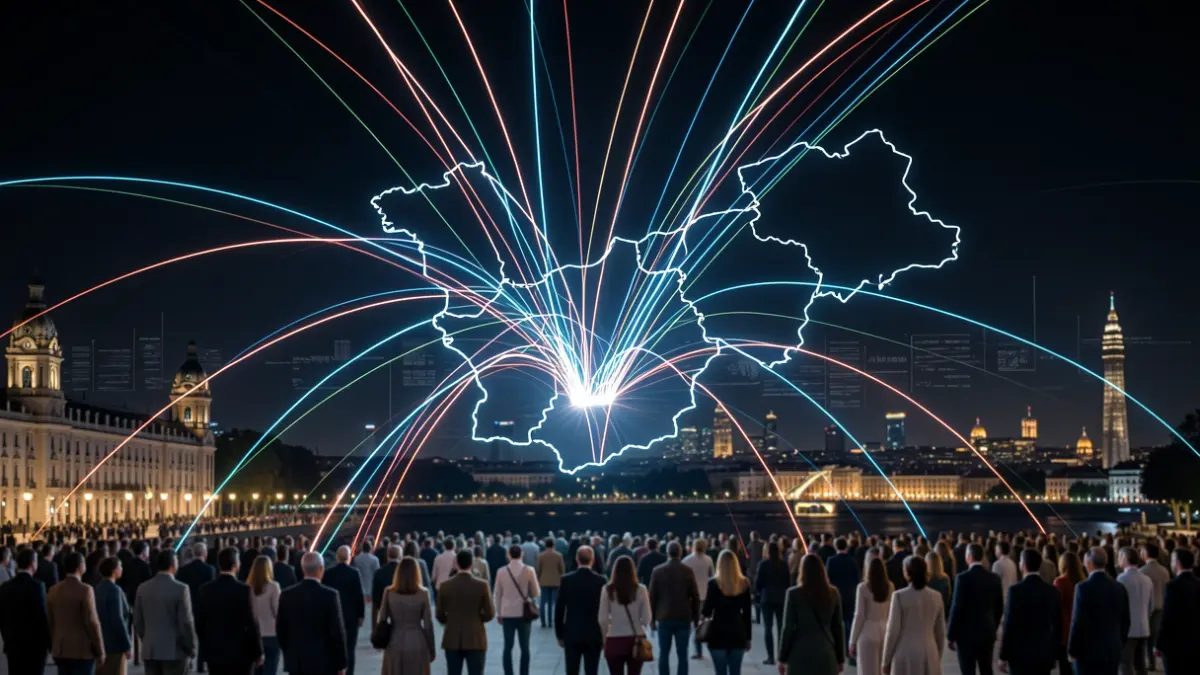
This organization had an immediate impact on Madrid households. Radio began to occupy a fixed place in daily routines, accompanying everyday moments and creating new habits. Furthermore, the network's expansion allowed various cities to share the same broadcast simultaneously, enriching the dissemination of information.
Content such as radio plays and live music expanded the cultural reach of the medium, bringing experiences previously limited to specific venues directly into homes. However, the most significant transformation was the introduction of the voice as a central element in information transmission, which changed how it was perceived, adding intonation, rhythm, and intent.
From then on, information ceased to depend exclusively on the reader's individual initiative to become a shared experience, where thousands of people in Madrid and other cities simultaneously received the same interpretation of reality, allowing the city to “listen to itself” for the first time.