Next Tuesday, May 26, marks seven years since Isabel Díaz Ayuso first ran as the Popular Party candidate for regional elections. Those 2019 elections saw the PP in second place with 30 seats, a far cry from the absolute majority they currently hold. At that time, the emergence of new forces like Vox and Ciudadanos altered the political landscape, compounded by the crisis stemming from Cristina Cifuentes's departure.
Despite the complex start, Díaz Ayuso was invested president in August 2019, forming the region's first coalition government in its democratic history with Ciudadanos and Ignacio Aguado. The legislature, marked by tensions between the partners, concluded with new elections in 2021, where Ayuso's Popular Party secured 65 seats, nearing an absolute majority.
Consolidation arrived in the 2023 elections, when Ayuso reaffirmed her victory with a resounding absolute majority, achieving 71 seats and over 1.5 million votes. This triumphant balance is what the regional government now celebrates, highlighting the Community of Madrid's management as a leader in job creation and Spain's economic engine.
The regional executive emphasizes that Madrid has remained Spain's leading economy for five consecutive years, contributing 19.8% of the national GDP and registering record employment figures with nearly 3.9 million Social Security affiliates. The region also stands out for attracting 62% of foreign investment in Spain and for its low taxation policy, with 34 tax cuts since 2019.
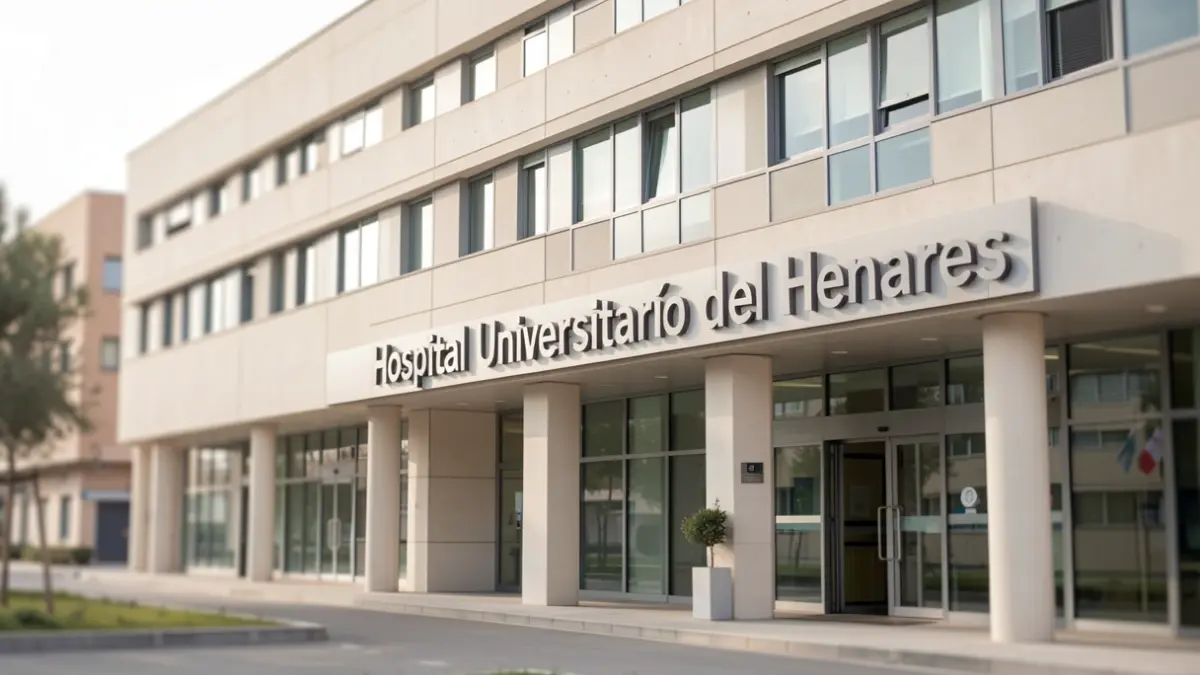
In healthcare, the government boasts a "comprehensive renovation of public hospitals," with the future Ciudad de la Salud (City of Health) as a flagship project. Efforts have been made to stabilize healthcare personnel, creating over 6,500 positions and making approximately 30,000 professionals permanent staff within the Servicio Madrileño de Salud (Madrid Health Service).
Regarding housing, the construction of 40% of Spain's protected housing is highlighted, particularly the Plan Vive (Live Plan) which includes 14,000 affordable rental units. Other initiatives mentioned are Mi Primera Vivienda (My First Home) and the Plan Alquila (Rent Plan).
In public transport, the expansion of the Metro de Madrid network by 34 kilometers since 2019 is emphasized, including the extension of Line 3 and future expansions. The reopening of Line 7B, the automation of Line 6, and the renovation of the southern half of Line 1 are also mentioned, along with the acquisition of 88 new trains.
Other recent milestones include the multi-year agreement for public university funding, the revival of the Ciudad de la Justicia (City of Justice) project, the promotion of the Plan 40-40 for nursing homes, and Madrid's consolidation as a venue for major cultural and sporting events, such as the upcoming Bad Bunny concerts and the Formula 1 Grand Prix.