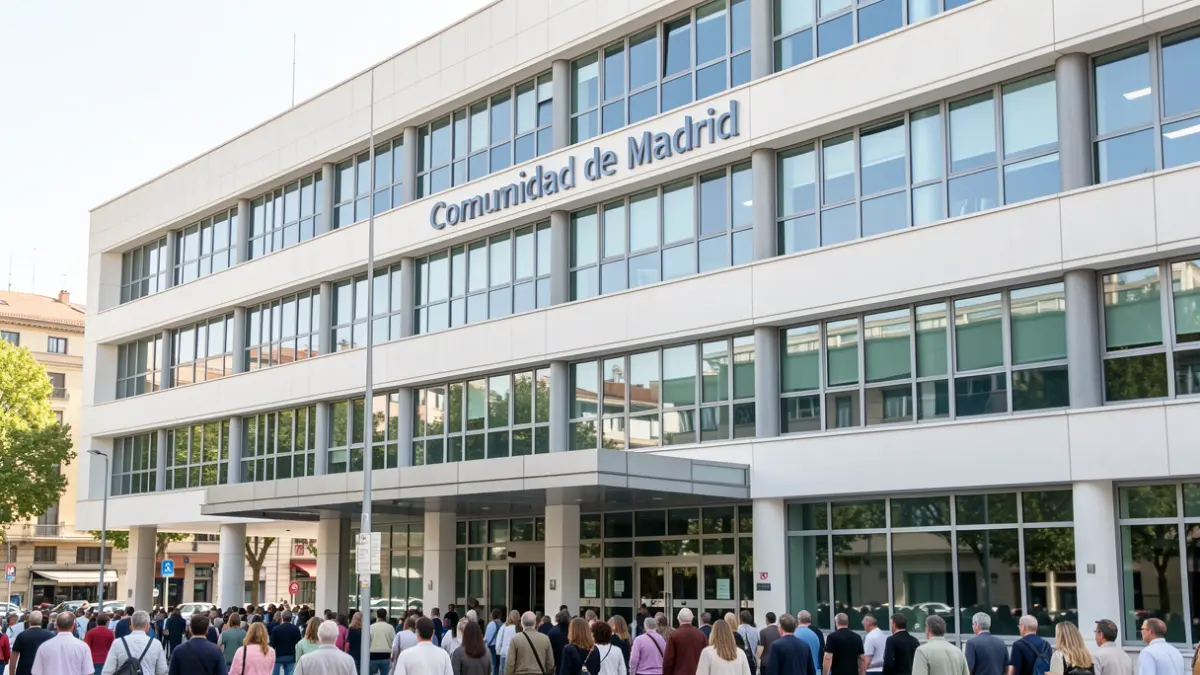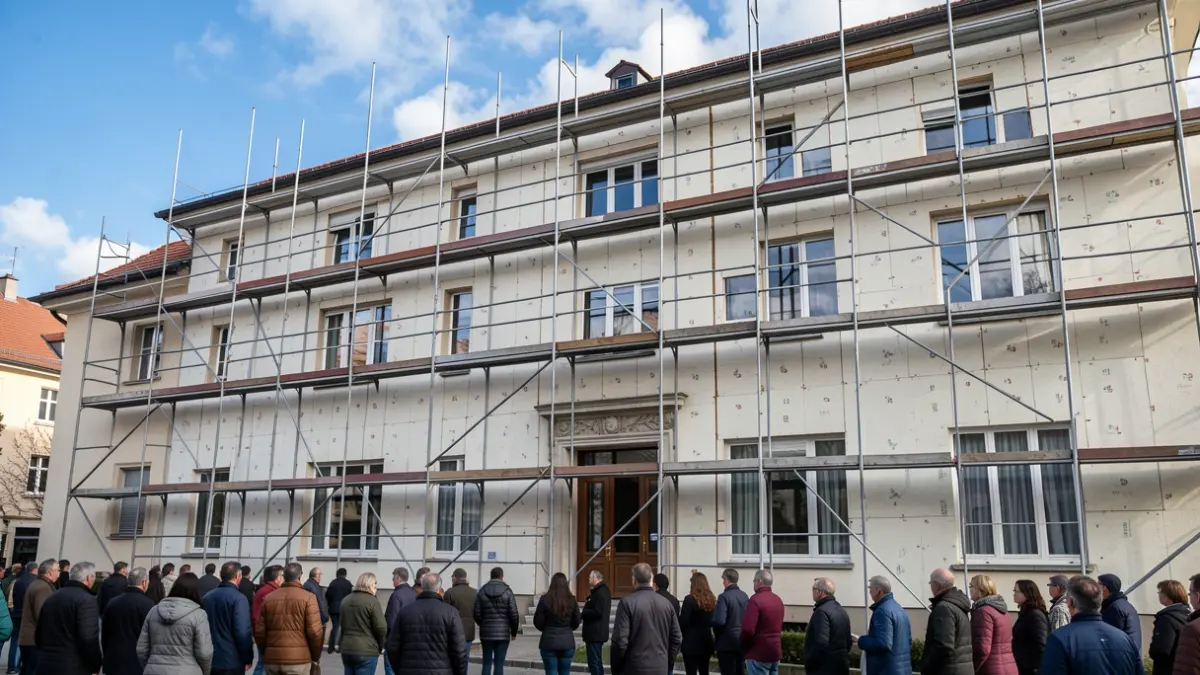
This plan, focusing on urban regeneration by entire neighborhoods through 17 Programmed Rehabilitation Residential Environments (ERRPs), aims to transform the lives of thousands of Madrid families. For residents in buildings over four decades old, comprehensive property rehabilitation means the definitive end of energy leaks, a drastic reduction in electricity and gas bills, and for many elderly individuals, the opportunity for greater mobility thanks to the installation of zero-step elevators.
The Minister of Housing, Transport, and Infrastructure, Jorge Rodrigo, recently oversaw the works in Pinto. The plan's approach goes beyond isolated interventions, promoting comprehensive urban regeneration.
The works focus on three key areas of the oldest building stock in the Community of Madrid: thermal insulation of facades and roofs with SATE systems to turn apartment blocks into efficient "thermoses"; energy decarbonization through the replacement of old boilers with aerothermal systems, solar panel installation, and triple-glazed windows; and the improvement of accessibility and urban hygiene, including the safe removal of asbestos and the installation of elevators in architecturally isolated portals.
According to technicians from the Ministry of Housing, the main objective is to improve quality of life, achieving that the transformation of an energy-leaking building into an efficient home results in a monthly saving of between 40% and 80% on utility bills.
These current interventions, funded by European NextGenerationEU funds and managed in collaboration with local councils and property owner communities, serve as a prelude to the future large-scale plan ‘Rehabilitar Madrid’. This project will have an additional 450 million euros to continue renewing the region's older neighborhoods and consolidate efficient and accessible housing as a pillar of urban and social transformation in the coming years.