The study analyzed 380 municipalities with over 10,000 inhabitants in peninsular Spain, cross-referencing electoral data (1979-2023) with vegetation maps, average income, demographics, and climate. A total of 19,252 census sections were examined to identify differences within each city. The results indicate that the vegetation gap is smaller in municipalities with a continuous history of more progressive governments.
The researchers not only counted the area of public parks but also measured the extent and structure of vegetation using live above-ground biomass as a metric, considering tree height and density. "The relationship between neighborhoods with higher income and more vegetation per inhabitant was positive in the ten most populated municipalities included in the study," states Diego Bengochea Paz, a researcher at MNCN-CSIC.
Bengochea explains that a city's average vegetation can hide significant inequalities. "Our analysis shows that political history is associated with inequality in the vegetation present in areas of different income levels, although it does not explain the total amount of vegetation a municipality has," he indicates. In municipalities with a continuous history of right-wing governments, a census section with 60% higher income than the municipal average would have approximately 17% more vegetation per inhabitant. In municipalities with a continuous history of left-wing governments, this difference is reduced to 9%.
The amount of vegetation also varies between municipalities with similar characteristics. Murcia, for instance, has 66% more vegetation per inhabitant than predicted by the model based on its population density, aridity, income, and political history, while Córdoba has approximately half. These differences suggest that factors such as climate, available soil, and inherited urban structure also play a role. "Part of the current vegetation is the result of decisions made in the past, so city councils have limited scope to modify it during their term," notes Ana Rey Simó, also from MNCN.
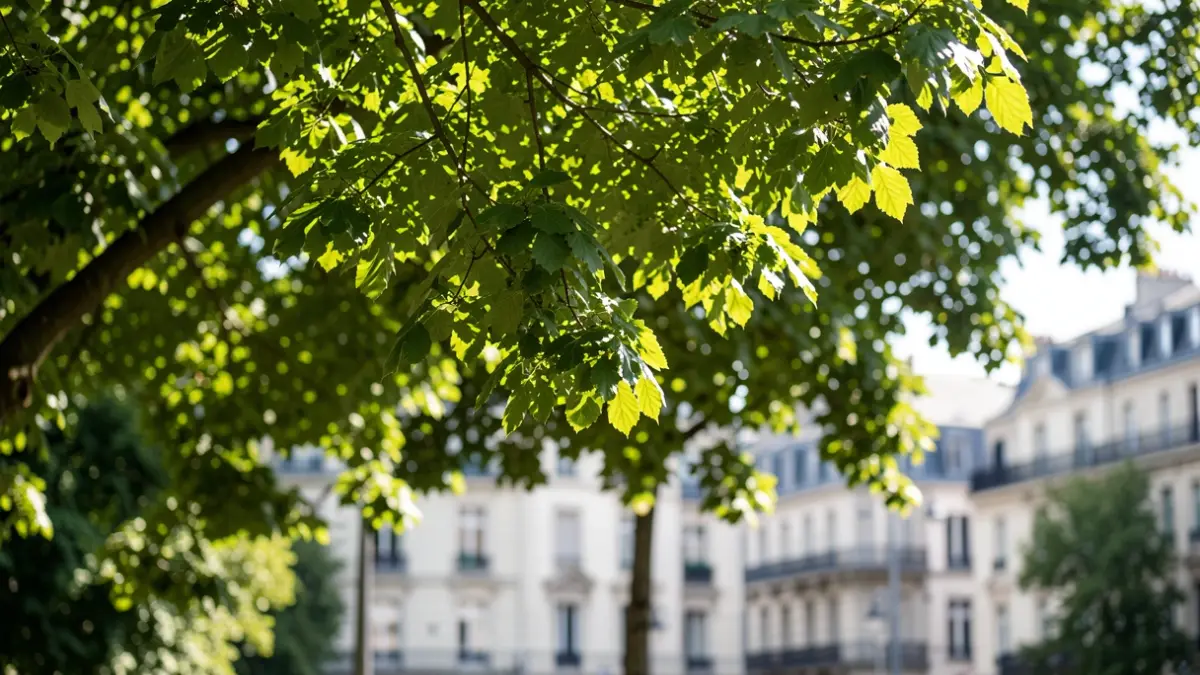
Miguel B. Araújo, a researcher at MNCN-CSIC, emphasizes the importance of vegetation location in the context of global change. "Urban green spaces are essential for climate change adaptation and public health, but their benefits are often unequally distributed among different socioeconomic groups." These benefits include shade, cooling the environment, and creating climate refuges against extreme heat episodes. "The goal should be to bring vegetation closer to underserved residents and ensure they can benefit from nearby green spaces," Araújo continues.
Rey Simó adds that city councils can reduce these inequalities through actions such as planting trees in streets, creating small green spaces like parks, or maintaining vegetation in less-equipped areas. However, these actions must be coordinated with housing policies to prevent improvements from displacing the citizens they aim to benefit.