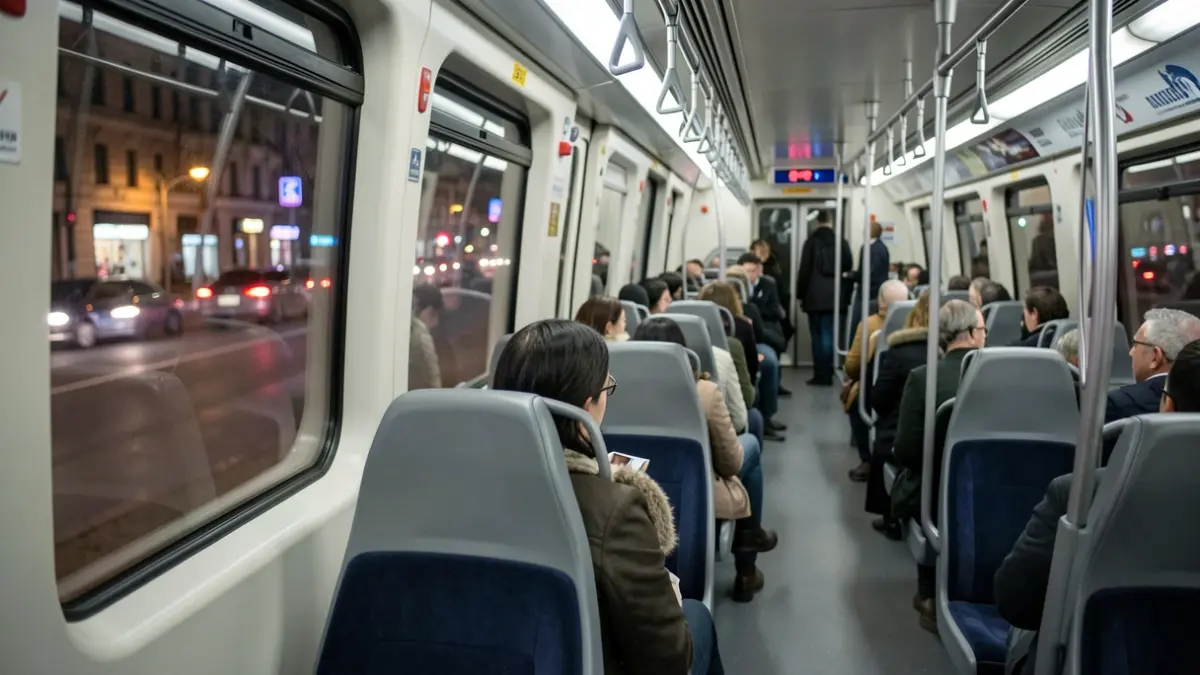
The Madrid Cercanías network has incorporated new trains manufactured by Stadler, which are now operating on the tracks. Alstom trains, however, are still awaiting the necessary railway safety authorization for their deployment.
Neighborhood and environmental organizations have expressed their opposition to the Madrid Land Law. Their main criticism is that the regulation, which mirrors state housing regulations, could lead to urban deregulation considered detrimental.
In the realm of tourism, the debate is raised about the compatibility of criticizing mass tourism while participating in it. The conclusion suggests it is possible, provided that regulated tourism activity is promoted, one that does not negatively affect residents or the city.
An internal report had recommended formally recording the opinions of elected councilors such as Aguirre, Cifuentes, and Gallardón during meetings funded by public money. Nevertheless, this proposal has been postponed pending the opinion of the Legal Advisory Commission.
The Madrid Zoo has recently celebrated the birth of a Sumatran elephant and a Bornean orangutan, both species listed as endangered. Despite these births, animal rights groups have voiced criticism, arguing that the animals are not released.
Furthermore, the municipality of Madrid in Colombia is consolidating itself as the country's leading flower producer. Its identity is characterized by a combination of agricultural tradition, urban development, and an active cultural life.