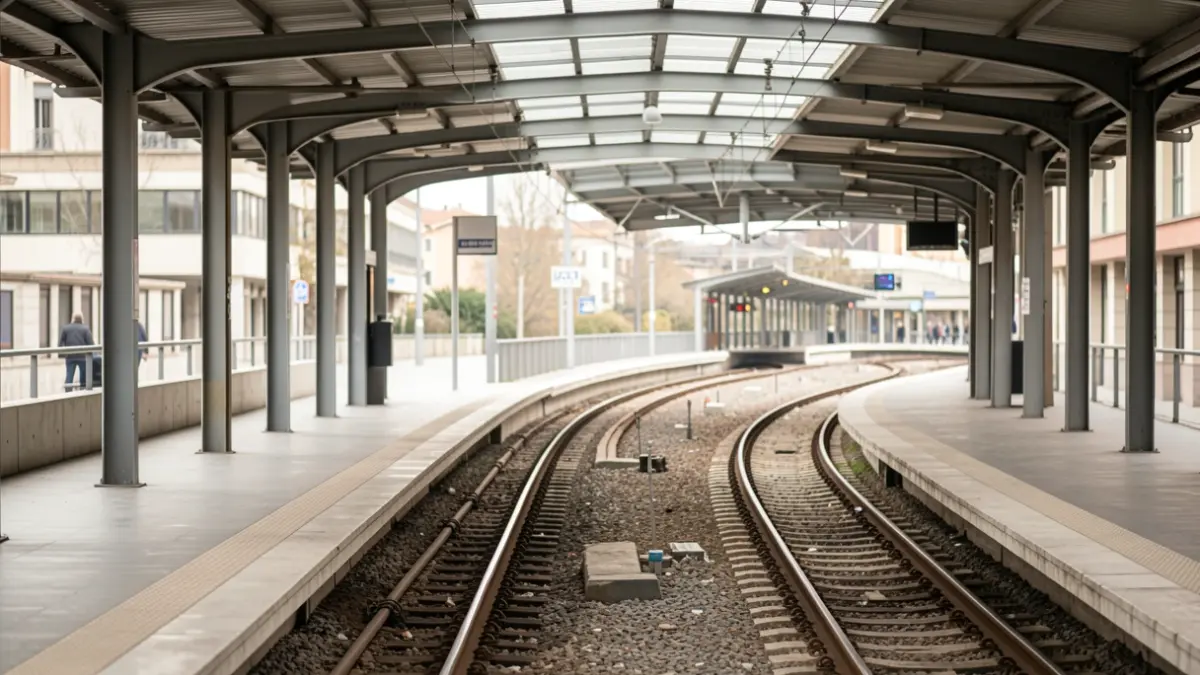
The Metro de Madrid station at Estadio Metropolitano, on Line 7, will feature a new access point to optimize user mobility during matches and other major events held at the venue. The planned investment for this project amounts to 9.7 million euros, with an estimated execution period of approximately 12 months.
The main intervention will involve the construction of an access ramp measuring 110 meters in length and six meters in width. This structure will connect the street directly to the main lobby, facilitating passenger flow and alleviating congestion at current entrances, which rely on stairs. The project includes a landscaped area in the center of the ramp, continuous lighting throughout its length, and a drainage system for rainwater collection.
Additionally, a second lobby spanning 1,254 square meters will be built. This new space will be equipped with 26 control gates, eight escalators, and five elevators, providing direct communication with the platforms. This expansion aims to not only enhance the station's operational capacity but also improve accessibility for all users.
The project has been coordinated with the ongoing development of the Ciudad del Deporte (Sports City), located near the stadium. The goal is to ensure a coherent integration of the pedestrian routes for the new complex with the access points to the Riyadh Air Metropolitano and the Metro network.
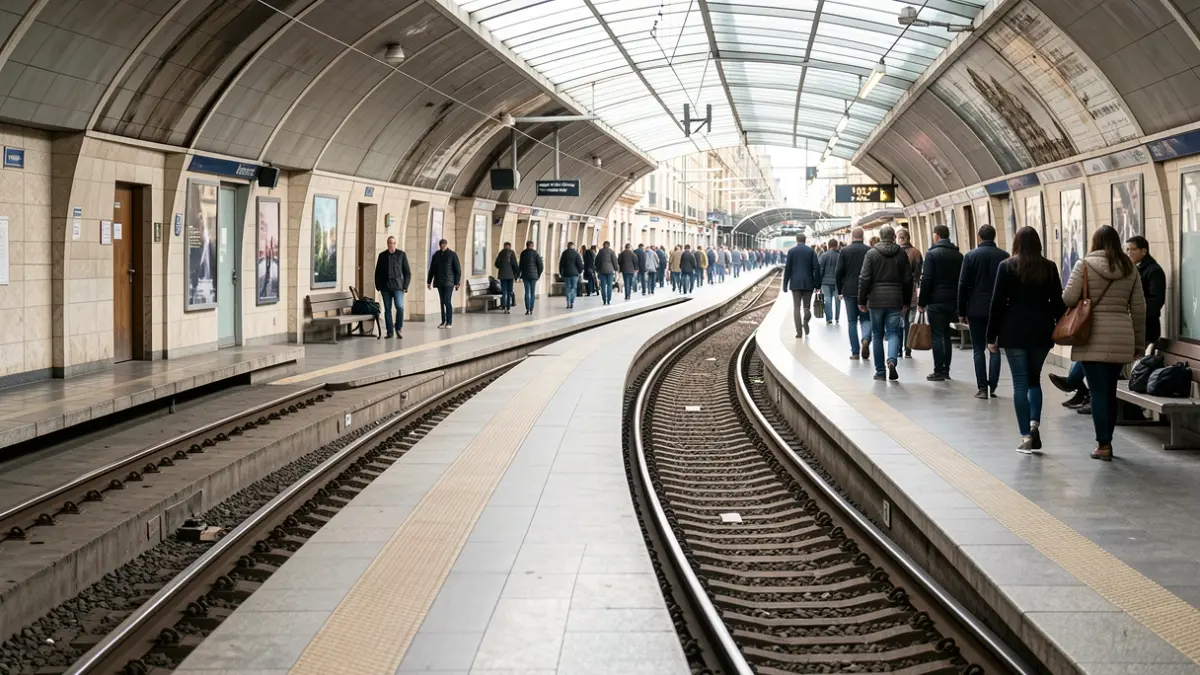
During peak times, such as matches or concerts, the station can experience user peaks of up to 18,000 passengers. The planned expansion will increase passenger entry and exit capacity, reduce waiting times during critical periods, optimize passenger flow management, and strengthen the connection between the sports venue and the surrounding new urban developments.