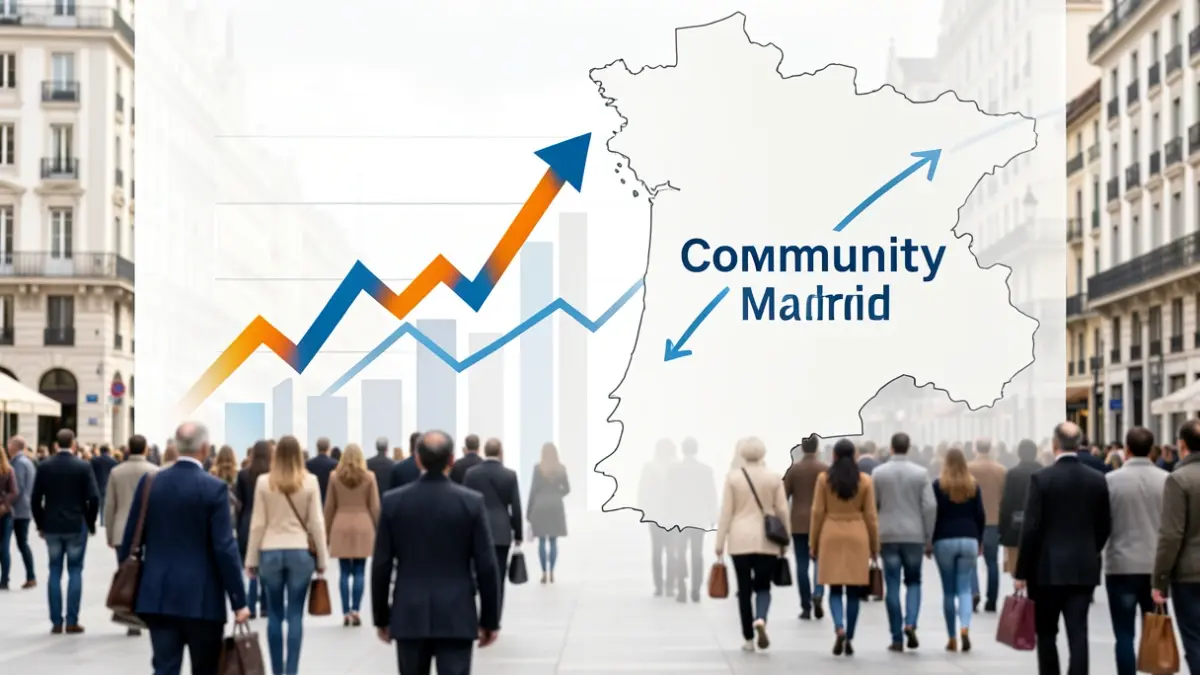
This groundbreaking initiative has prevented delivery vans from traveling over 158,000 kilometers in the region, significantly contributing to the reduction of surface traffic. Additionally, it is estimated that approximately 39.5 tons of CO₂ emissions have been avoided, an environmental achievement comparable to the annual absorption capacity of about 1,800 trees.
Estimates, based on the European Commission's methodology, calculate an economic saving of 63,200 euros. This saving stems from reduced costs associated with traffic, air pollution, noise, greenhouse gas emissions, and traffic accidents.
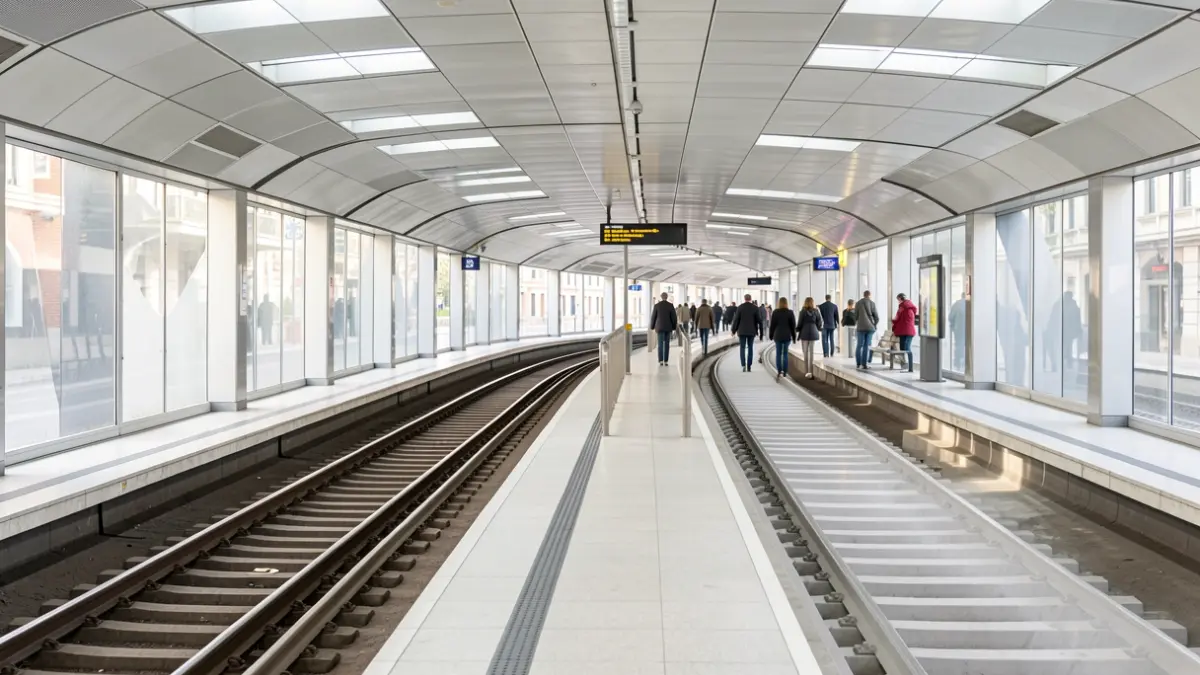
Currently, the service operates on two Metro lines with distinct approaches. On Line 12 (MetroSur), a first-mile system has been in place since 2025, developed in collaboration with GLS agencies in the southern region, utilizing the rail network for package transport to minimize road travel.
Complementing this, Line 3 features 57 pickup points with smart lockers distributed across 19 stations, from Moncloa to El Casar. These lockers are operational during the Metro's 19 daily operating hours, 365 days a year, allowing users to retrieve their orders autonomously via a QR code.
Companies such as Amazon, GLS, and SEUR have progressively joined this model since April 14, expanding delivery options for travelers. As of July 15, over 15,000 packages had been collected by customers from these smart lockers.
The stations of Embajadores, Ciudad de los Ángeles, and Palos de la Frontera handle the highest volume of collections. Mondays are the busiest days, followed by Tuesdays and Thursdays, indicating the integration of this service into users' daily commutes.
The initial results solidify Metropaq as an innovative urban logistics solution, leveraging public transport to decrease traffic and pollution while offering new services. The entire process operates without impacting train frequency, service quality, or user safety.