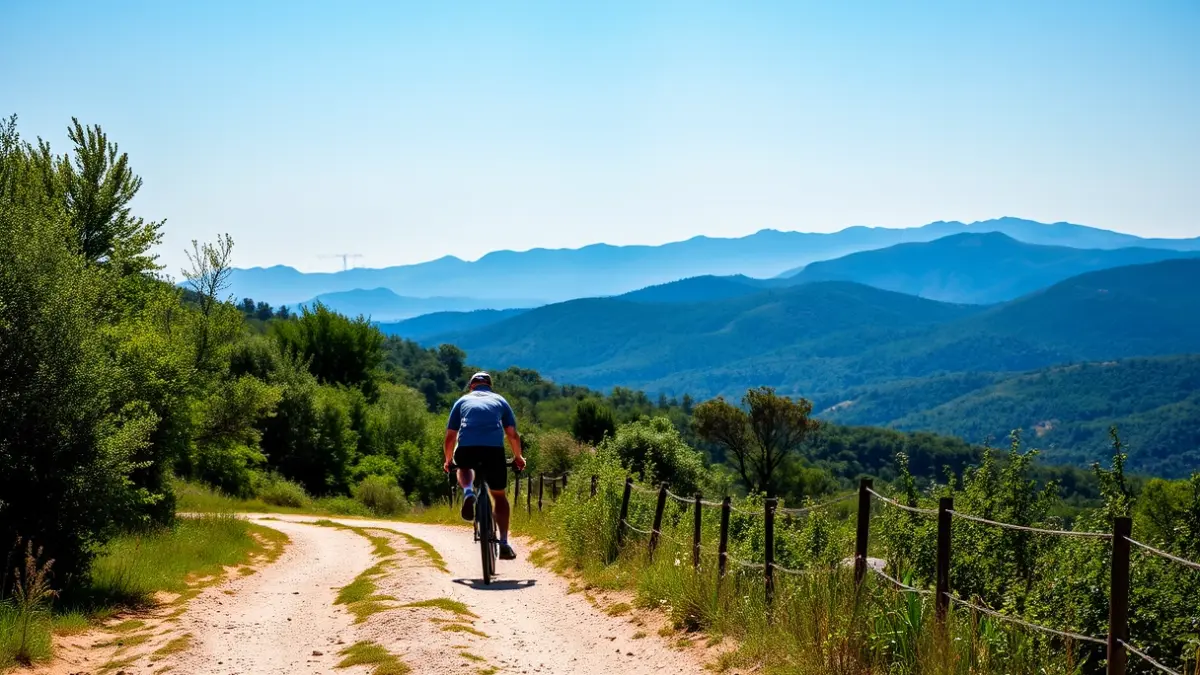
This modality, which combines the exploration of nature, cultural heritage, and the promotion of local development, has been boosted by the regional government. Routes such as the Vía Verde del Tajuña, the Madrid section of the Camino de Santiago, and trails through the Sierra de Guadarrama, facilitate a direct connection with the natural environment and revitalize rural economies.
The profile of the cycling tourist, while still predominantly male and young, shows increasing diversity. Nearly 70% of participants are under 45 years old, with the 18-30 age group being the largest, accounting for 38.5% of the total.
A notable aspect is the rise in female participation, which has grown from 11% in 2023 to 16.3% in 2025. Similarly, the presence of minors has increased, now making up between 5% and 10% of users, especially in recreational settings.
Regarding equipment, sports bicycles, particularly road and mountain bikes, are the most used for medium and long-distance routes. 46.5% of cyclists start their routes from their immediate surroundings, while 23.3% opt for public transport and 18.6% use private vehicles to reach their starting point.
International users account for 8.7% of the total, mainly coming from France and the United Kingdom, as well as Latin American countries like Argentina and Mexico. There is also a presence from more distant markets, such as China.