From today until next Saturday, the Institute of Engineering of Spain in Madrid is hosting this event, inaugurated by the regional minister of Environment, Agriculture and Interior, Carlos Novillo. The meeting aims to strengthen grazing practices through international collaboration and the sharing of experiences.
Within the framework of the International Year of Rangelands and Pastoralists, the sessions will address crucial topics such as the contribution of extensive livestock farming to territorial conservation, the protection of pastures and rural ecosystems, generational succession in the sector, and the application of new technologies in livestock management.
The organization of this congress has involved the participation of the Madrid Institute for Rural, Agricultural and Food Research and Development (IMIDRA), alongside prestigious entities such as the Food and Agriculture Organization of the United Nations (FAO), the International Centre for Advanced Mediterranean Agronomic Studies (CIHEAM) of Zaragoza, the Transhumance and Nature Foundation, the Global Alliance for Rangelands and Pastoralists, Red Eléctrica, Fundación Entretantos, and Fundación Biodiversidad.
The congress will conclude with a visit to IMIDRA's Casa de la Monta, located in Aranjuez. There, attendees will enjoy a photographic exhibition, a display of agricultural tools, and traditional musical performances, allowing them to gain a deeper understanding of regional extensive livestock farming and cutting-edge sector applications.
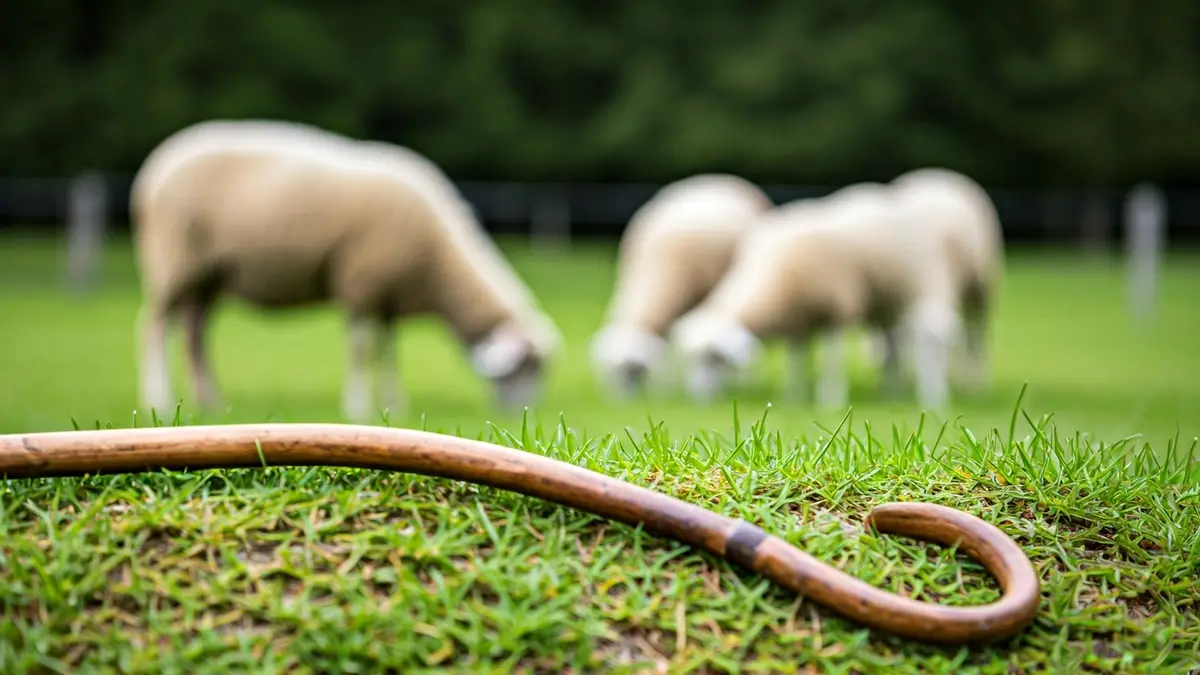
In parallel, the regional Executive has initiated procedures to declare transhumance as an Asset of Cultural Interest of the Intangible Heritage of the Community of Madrid. This measure seeks to protect a practice that is not only part of tradition but also significantly contributes to biodiversity conservation.
This protection, granted to activities of special relevance or with unique values, will ensure the preservation of seasonal livestock migration and the more than 4,200 kilometers of livestock trails that crisscross the region. Given its increasing disuse, the aim is to reinforce its environmental, cultural, and economic value for municipalities.