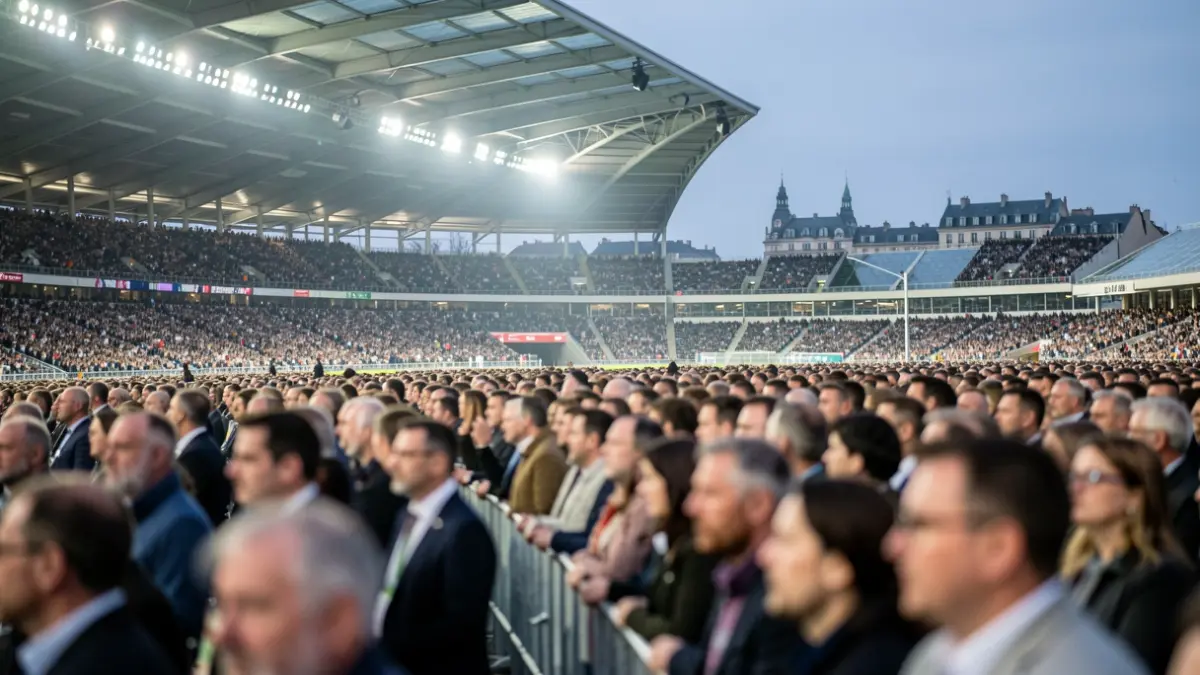
For four days, the Spanish capital served as the first European destination for the Pontiff's apostolic journey, implementing an unprecedented logistical operation covering transport, security, and healthcare. Regional president, Isabel Díaz Ayuso, described hosting the Holy Father as an "honor and privilege."
The region responded with large-scale coordination encompassing public transport, water supply, and accommodation for thousands of international pilgrims. Díaz Ayuso, speaking at a press conference at the Real Casa de Correos, thanked the Pontiff for choosing Madrid and for the duration of his stay, highlighting the "incredible" image projected by the city in terms of coordination, security, respect, and beauty.
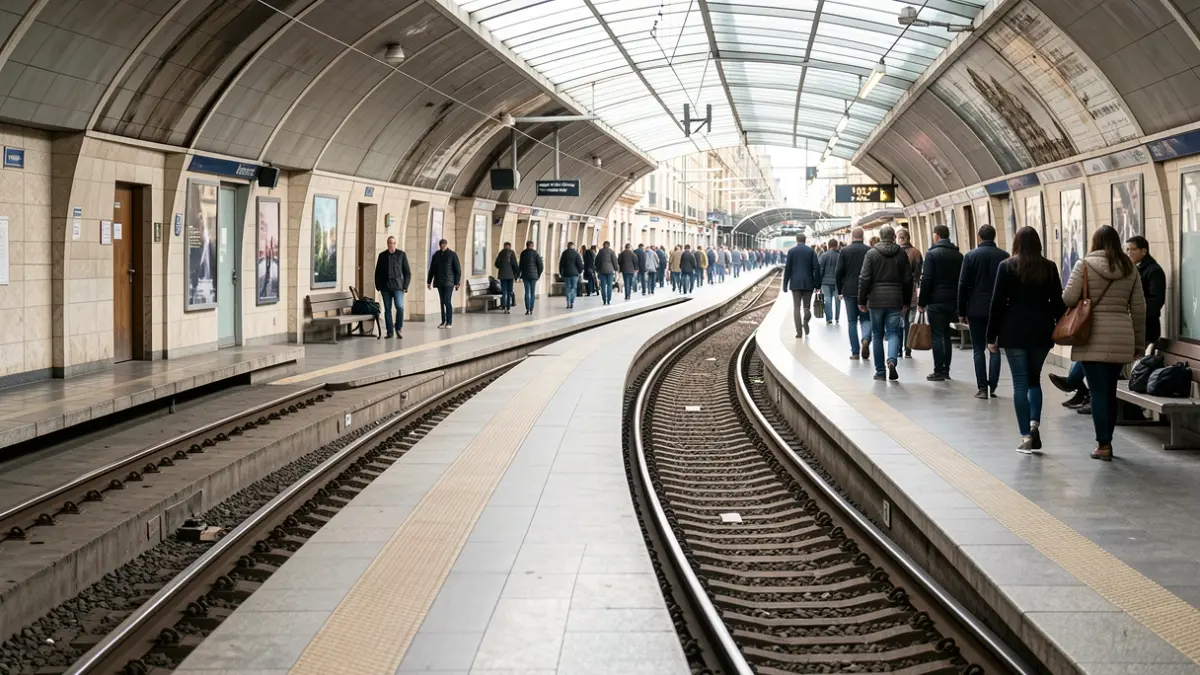
Public transport played a crucial role, with the Metro network recording over 5.6 million journeys. The direct bank card payment system achieved a record 85,000 validations. Saturday was the most intense day, with Nuevos Ministerios station exceeding its usual traffic by over 50% and experiencing peaks tripling normal activity. Stations like Goya, Alonso Martínez, and Príncipe de Vergara also saw significant increases on Sunday.
Metro increased its service by up to 125%, adding 42 extra trains and extending service until 2:30 AM on Saturday. Interurban buses deployed over 200 reinforcement vehicles. The visit is estimated to generate an economic impact of 120 million euros for the region.
The Real Casa de Correos on Puerta del Sol served as the International Press Center, hosting over 2,300 journalists, including 450 foreign correspondents. More than 3,600 square meters were operational 24 hours a day.
The healthcare operation, coordinated by SUMMA 112, involved over 560 professionals daily, including doctors, nurses, emergency technicians, and psychologists. Canal de Isabel II installed 19 water supply structures with 162 points, and collaborated with 55 catering establishments.
Eight public centers, including 15 institutes and 3 public schools, opened their doors to accommodate pilgrims. President Díaz Ayuso concluded by wishing the Pontiff that Madrid continues to be his "home."