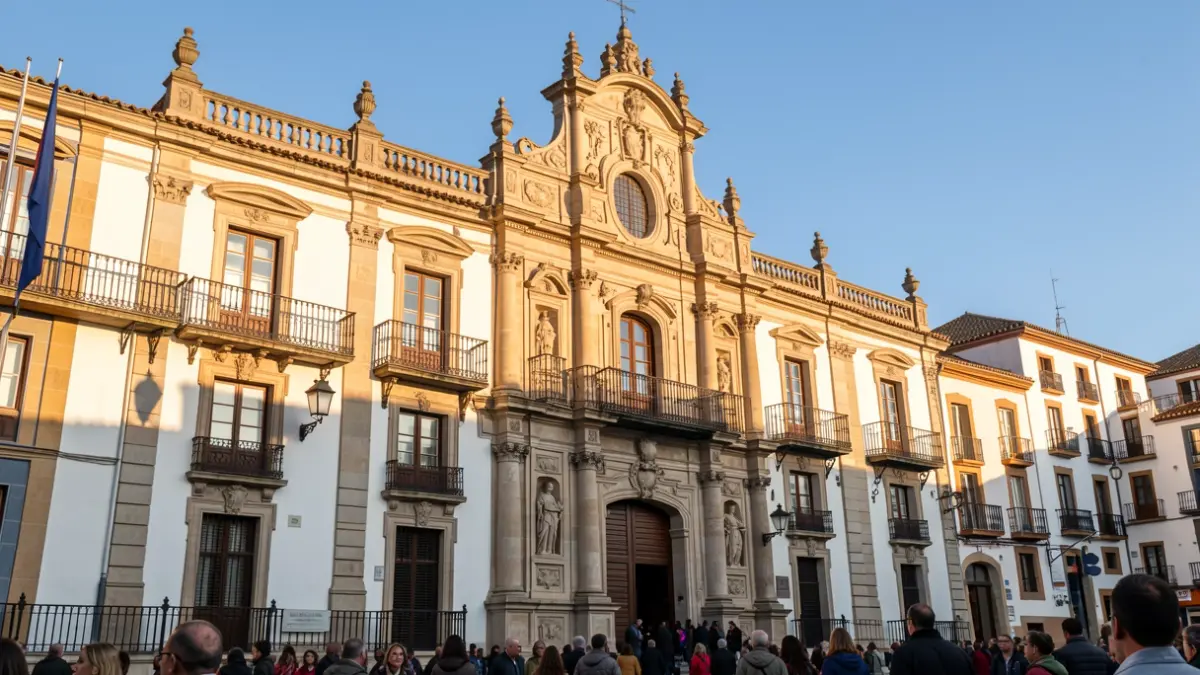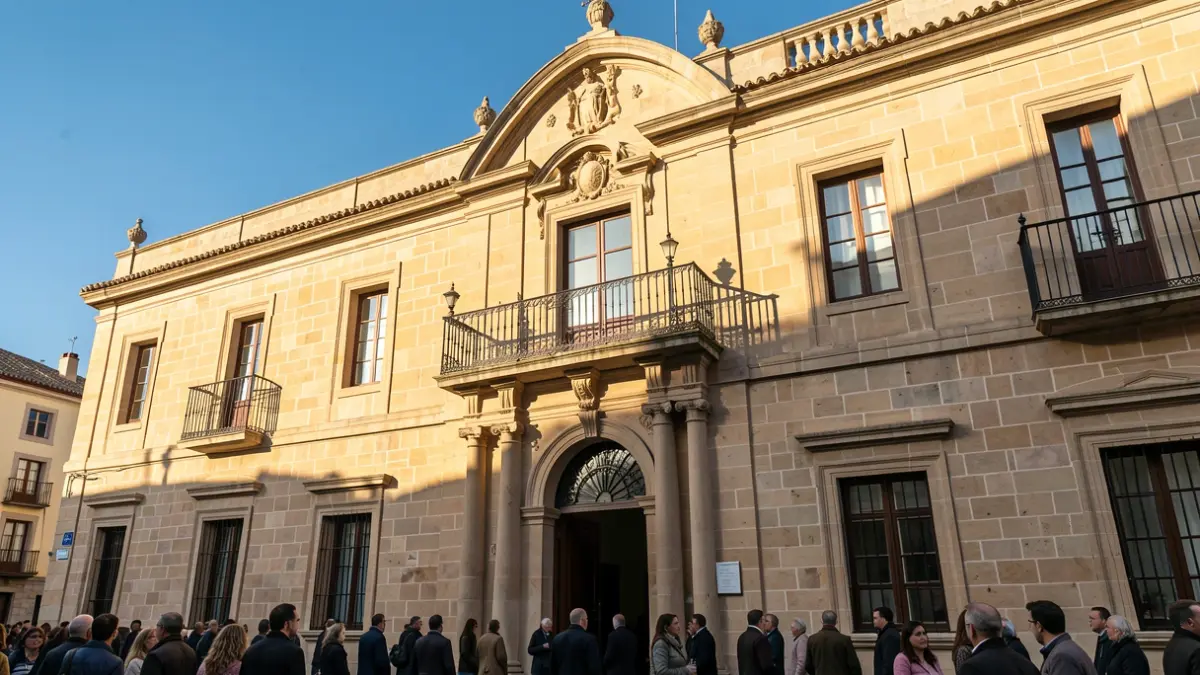
The initiative, part of the global “Freedom 250” program, connects corners, institutions, and secrets of the capital that narrate the historical relationship between Spain and the USA. The Royal Botanical Garden-CSIC participates by selecting three native US species: Osage orange, Carolina pepper, and Virginia persimmon.
The itinerary includes the emblematic Frontón Beti Jai, which in 1919 housed a workshop and dealership for the mythical Harley-Davidson motorcycles, and the Museo Chicote, a haunt of Ava Gardner, which has created the ‘El TwoFifty’ cocktail for the occasion. The route also visits the restaurant Sobrino de Botín, where Ernest Hemingway found inspiration for his novel 'The Sun Also Rises'.
The artistic heritage is expanded with visits to the National Museum of the Prado, the Lázaro Galdiano Museum, the Royal Academy of San Fernando featuring a portrait of George Washington, the Naval Museum with the Carta de Juan de la Cosa, the Geominero Museum, and the Museum of the Mint, which displays commemorative coins and stamps.
The route also highlights the International Institute, founded by an American educator and home to the US Embassy in Madrid between 1944 and 1950. The collaboration of various Madrid cultural and academic institutions makes this celebration possible, turning Madrid into the epicenter of the US's 250th anniversary festivities.
At the RJB-CSIC, visitors can learn details about the selected plants: the Osage orange, whose fruit was used to dye US army uniforms in World War I; the Carolina pepper, with a sweet aroma and medicinal uses; and the Virginia persimmon, used as a rootstock for the edible persimmon.