The Department of Urban Planning, Environment, and Mobility has driven this initiative, which modifies the compatibility of tertiary lodging use in areas regulated by Zonal Norm 9, degree 3º, of the Urban Planning Regulations of Madrid's General Urban Plan from 1997. This eliminates the existing restriction that only permitted hotels in these zones.
This measure, demanded by the sector, aims to increase the short and medium-stay accommodation offer in the capital, especially considering the restrictions in the city center and the decentralization of tertiary lodging use promoted by the RESIDE Plan, approved last year. The new special plan aligns with the objectives of the Strategic Tourism Plan of the City of Madrid 2024-2027.
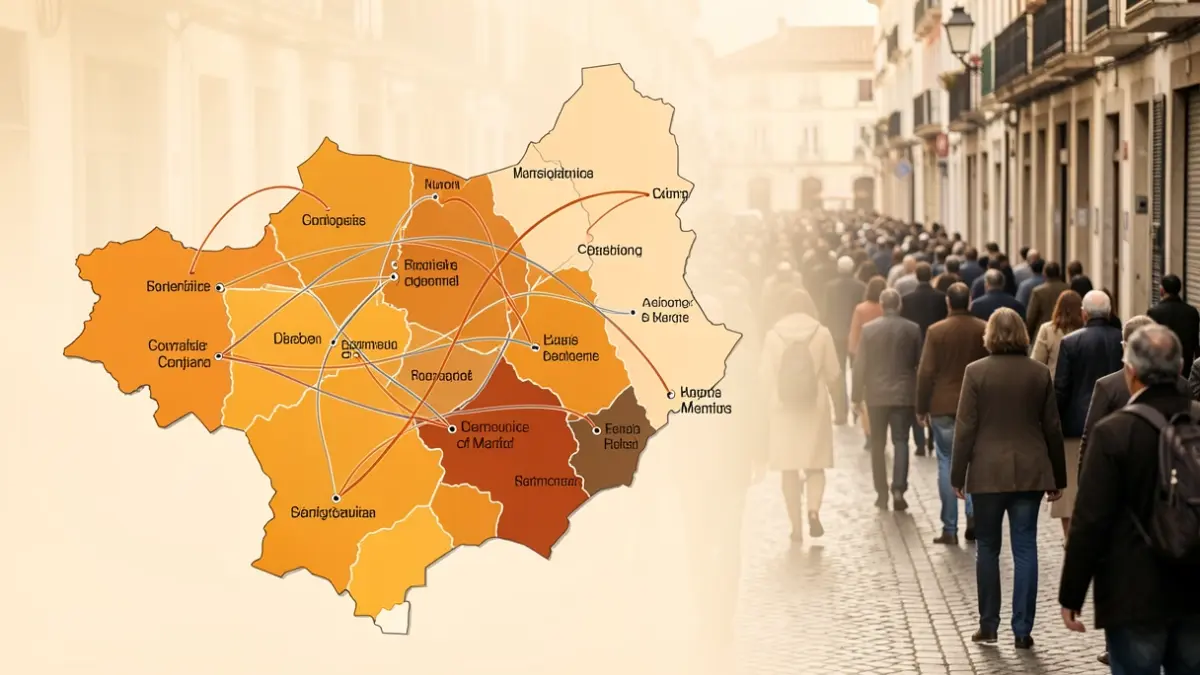
The municipal government reaffirms its commitment to a sustainable tourism model, promoting the redistribution of visitor flow and positive economic impact towards outer districts, fostering local commerce development. The plan affects over 240 plots across 16 areas in eight districts: Arganzuela, Chamartín, Fuencarral-El Pardo, Usera, Ciudad Lineal, Hortaleza, San Blas-Canillejas, and Barajas.
Following a study of over 3,000 industrial plots, it has been concluded that areas regulated by degree 3º of Zonal Norm 9 and industrial-use plots within non-industrial zones have undergone a tertiary-use transformation, losing their original industrial character.
Currently, tertiary use for lodging in industrial land is limited to hotels, a restriction introduced in 2007 to curb disguised residences and their fraudulent commercialization as housing.
With the current regulatory change, this limitation is removed for plots with mixed qualified use, where industrial use coexists with offices and which have shown a clear tertiary transformation. The City Council will study on a case-by-case basis other traditional industrial areas (degrees 4º and 5º of Zonal Norm 9) that present similar characteristics.