With a public investment exceeding one million euros, this new system will ensure that the Newborn Registry encompasses all maternity wards, both public and private, thus creating a unique and reliable database of all births in the region. This initiative is crucial for ensuring the identification and traceability of newborns within the healthcare system.
The Registry will integrate with SIP?CIBELES, the Population Information System used by the Madrid Health Service, allowing for the assignment of an Autonomous Personal Identification Code (CIPA) to each baby within their first 24 hours of life. This technology will not only optimize the quality and health outcomes related to neonatal screening programs—endocrinometabolic diseases, hearing loss, and critical congenital heart defects—but will also improve process management and facilitate access to results for both families and Primary and Hospital Care professionals.
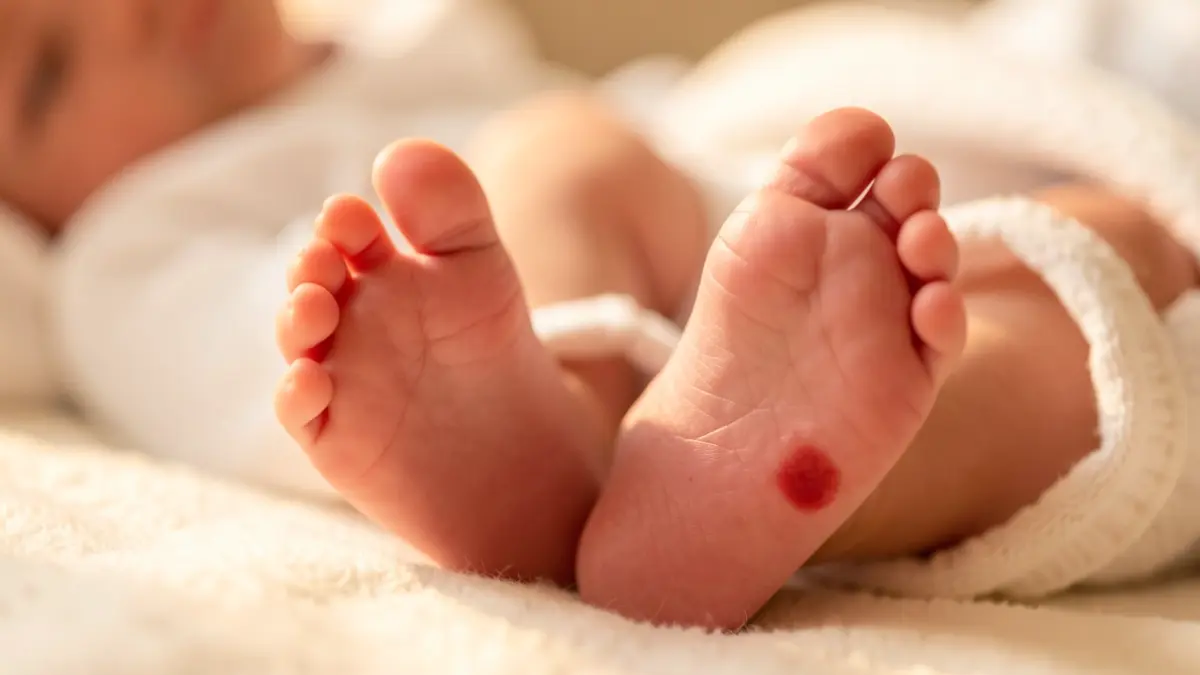
From now on, families will receive the results of the heel prick test through three channels: an SMS message, an email confirming normal results, and a notification on the Virtual Health Card (TSV), where they can access the full report. In case of a positive result, the Clinical Reference Unit will be responsible for contacting and informing the relevant family. Furthermore, the CRINEO process will include automatic registration of the baby on the TSV for both the mother and the father.
The heel prick test has expanded its detection capacity, increasing from 23 to 35 pathologies with the addition of 12 new metabolic diseases. These include argininosuccinic aciduria, argininemia, citrulinemia type I, carnitine acylcarnitine translocase deficiency, carnitine palmitoyltransferase I deficiency, carnitine palmitoyltransferase II deficiency, mitochondrial trifunctional protein deficiency, multiple acyl-CoA dehydrogenase deficiency, hypermethioninemia due to MAT I/III deficiency, methylcrotonylglycinuria, tyrosinemia type II, and tyrosinemia type III. It is anticipated that by the end of the year, a total of 37 pathologies will be reached with the additional inclusion of adrenoleukodystrophy and metachromatic leukodystrophy.