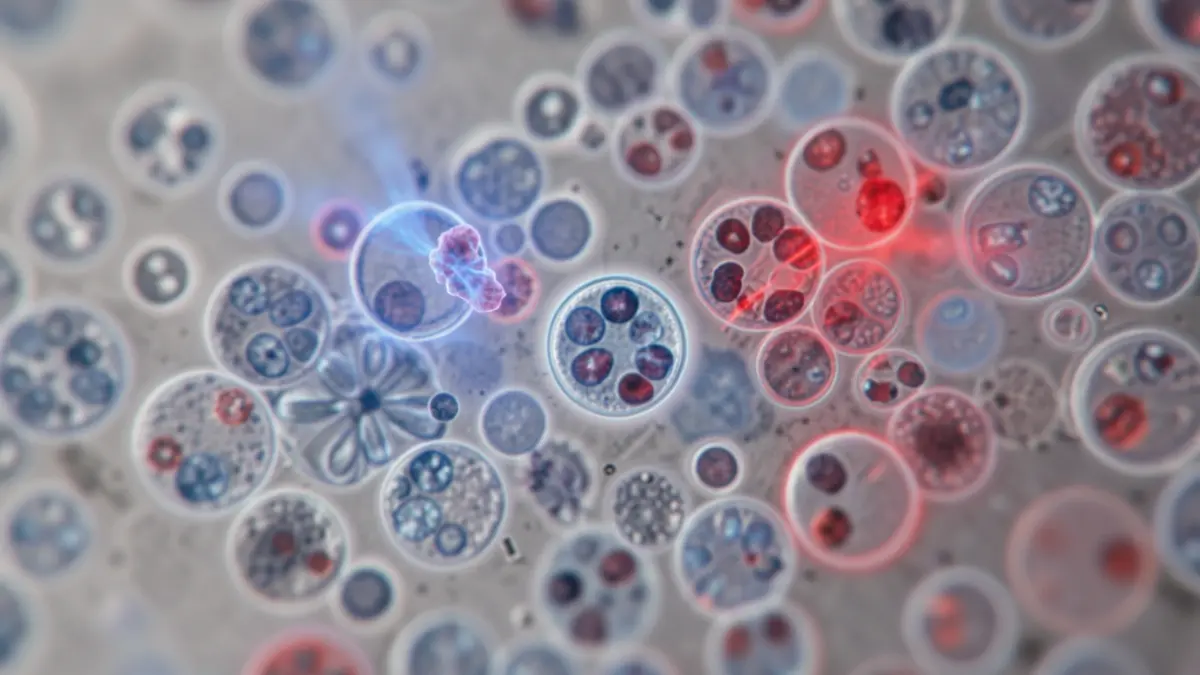
The initiative, named iN-KEY and funded with nearly 10 million euros by the European Union, aims to create immunotherapies with "killer cells" generated from stem cells. Unlike current therapies, which are manufactured individually for each patient, this will be available in hospitals like any standard medication, reducing patient waiting times and treatment costs.
The project, set to begin in October 2026 and last for five years, will modify therapeutic cells with precision technology, develop a scalable and automated manufacturing process meeting strict GMP quality standards, rigorously test efficacy and safety in advanced laboratory and preclinical models, and culminate in a clinical trial with 15 patients.
Multiple myeloma is a cancer of plasma cells in the bone marrow. Despite recent advances, the disease remains incurable, with patients experiencing repeated relapses. Current advanced CAR-T cell therapies, manufactured one by one, cost over 300,000 euros per dose and take five to eight weeks to prepare.
iN-KEY will utilize induced pluripotent stem cells (iPSCs) and natural killer (NK) cells, which present a lower risk of serious complications like graft-versus-host disease. The genetically modified cells will be engineered to recognize and attack myeloma using chimeric antigen receptors (CAR) and bispecific antibodies, making it harder for the tumor to escape, and will include an integrated safety mechanism.
Belén Álvarez-Palomo, from the Banc de Sang i Teixits (BST) and project coordinator, stated: "This funding recognizes years of work and gives us the opportunity to bring a truly disruptive technology, based on integrating the latest advances in the field, to the production of a new type of therapy closer to the patients who need it most. iN-KEY aims to make advanced cell therapy faster, safer, and more accessible."
Daniel Bachiller, from the CSIC and leader of genetic engineering in iN-KEY, highlighted that the technological platform is flexible and can be adapted to target other cancers or infectious diseases.
Patients will play an active role in guiding the research through Myeloma Patients Europe (MPE), helping to set project priorities and review key aspects of the clinical trial.
The consortium comprises twelve partners, including academic and clinical research groups, specialized biomedical companies, a patient association, and regulatory experts. Key partners include CSIC, AVANTHER Therapeutics, STAB Therapeutics, CNIO, CEA, Paul-Ehrlich-Institut (PEI), Catalent, Miltenyi Biotec, EATRIS, ICO-Idibell, and MPE.