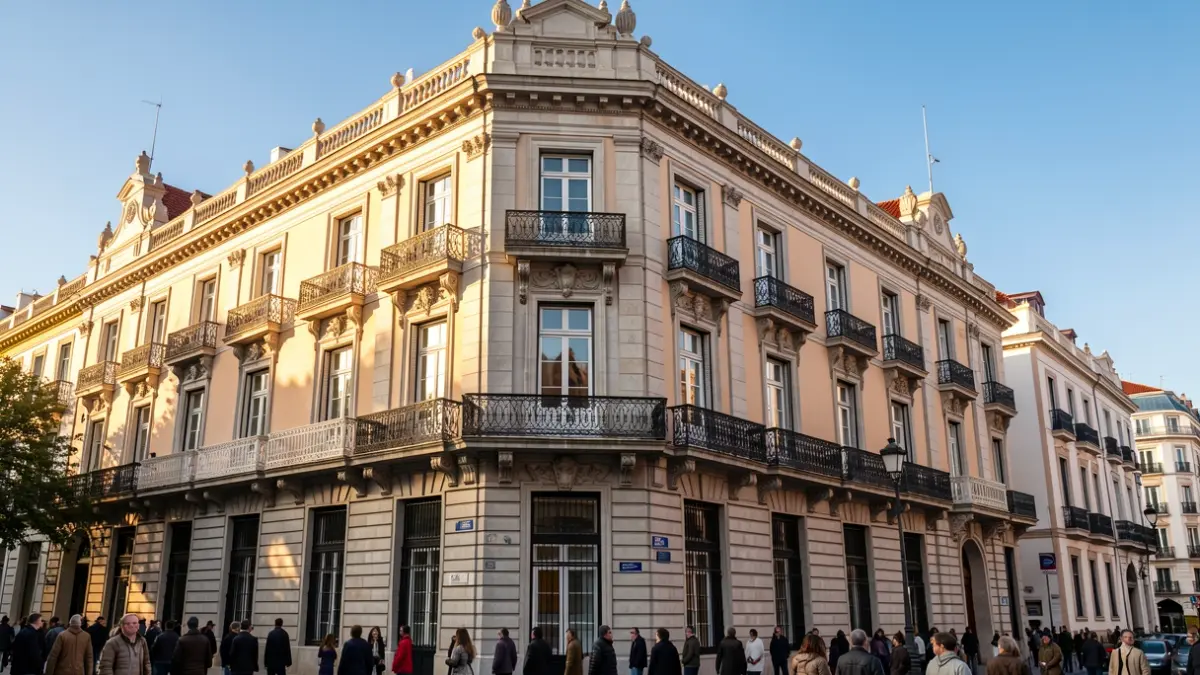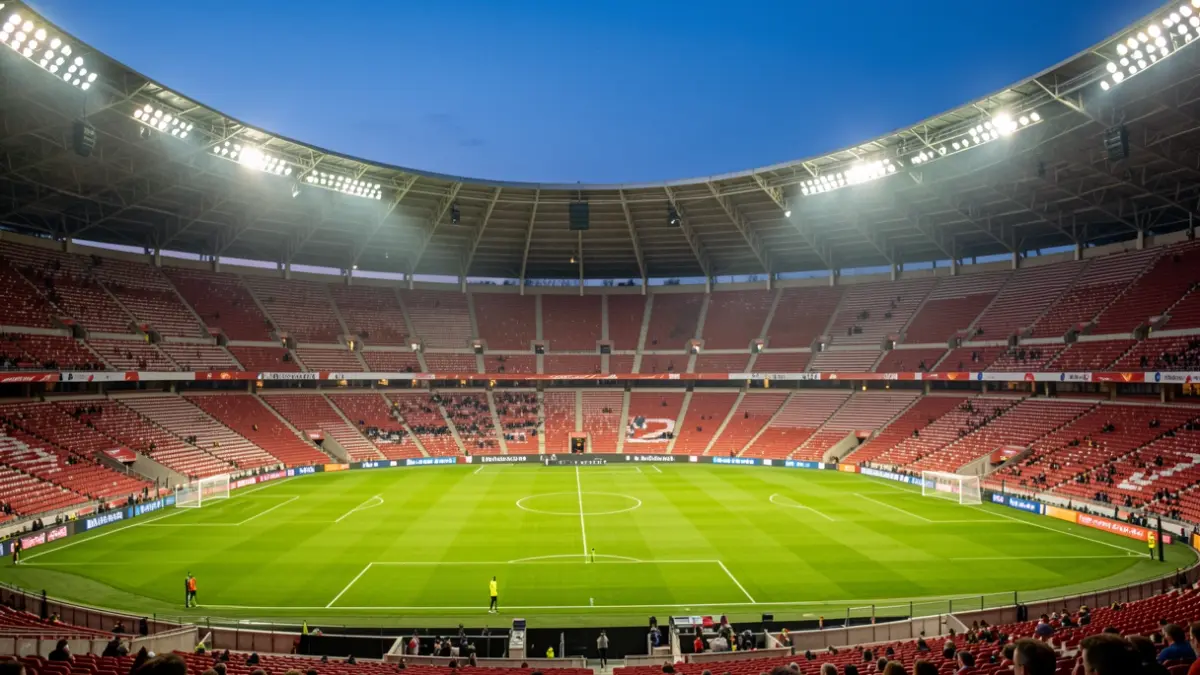
The Club Financiero de Madrid hosted this Friday, June 12th, the presentation of the commemorative events for the 50th Anniversary of Rayo Majadahonda. The event, which brought together media and personalities, became a meeting point to discuss the team's immediate future, particularly regarding the rivals that will make up the upcoming 2026-27 season in the Primera RFEF.
The new league, designed as an alternative to the Second Division A, presents a considerable challenge. After brilliantly overcoming the Segunda RFEF, where the Majadahonda club fought until the final match to gain promotion, the current challenge is even greater. The Primera RFEF will feature four clubs with significant history relegated from the Second Division A: Real Zaragoza, Huesca, Mirandés, and Cultural Leonesa, who will receive a relegation subsidy of 1.5 million euros.
These are joined by the five powerful reserve teams in Spanish football: Real Madrid-Castilla, Atlético de Madrid B, Athletic de Bilbao B, Villarreal B, and Deportivo Fabril. The lineup is completed by teams from 12 provincial capitals such as Hércules de Alicante, Ibiza, Real Murcia, UD Logroñés, CD Lugo, Nàstic de Tarragona, Pontevedra, Real Jaén, Unionistas de Salamanca, Cacereño, UD Ourense, and Teruel. Additionally, there will be eight experienced local teams like Barakaldo, Alcorcón, Racing de Ferrol, CD Extremadura, Cartagena, Real Unión, Sant Andreu, and Algeciras.
Rayo Majadahonda hopes to be placed in the Western Group of the Primera RFEF, the designation of which will take place at the end of the month among the 40 participating teams. Experts consider the Eastern Group to be much more formidable, composed of Catalan, Aragonese, Valencian-Balearic, Andalusian, and Murcian clubs. The Western Group would bring together Basque, Riojan, Galician, Castilian-Leonian, Asturian, and Extremaduran teams. The four Madrid teams (Real Madrid Castilla, Rayo Majadahonda, Atlético Madrileño, and Alcorcón) would act as a hinge between the two blocks.