Last week, Madrid hosted a major international forum on cities, organized by Bloomberg Citylab and the Aspin Institute. The event, held in iconic venues such as the Teatro Real and the Museo Nacional Centro de Arte Reina Sofía, brought together prominent figures from various fields, including ministers, mayors, and international experts. However, the restricted access for the general public created a symbolic contrast with the theme of urban life.
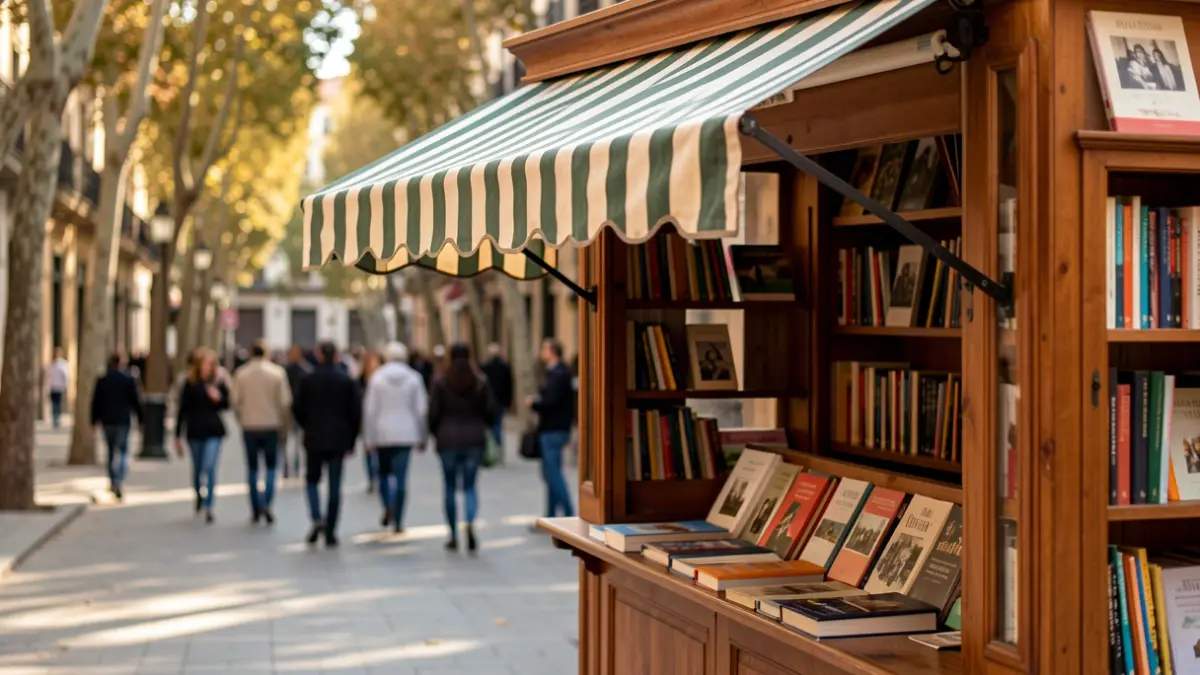
Taking advantage of the occasion, Citylab published a report on Spain and its capital, highlighting Madrid's “identity crisis,” influenced by the rise of luxury tourism. The article pointed out how the promotion of large events and the increasing influx of visitors are affecting local small businesses, which struggle to survive in this new scenario. In this context, Madrid's aspiration to become the “new Miami” was mentioned.
“"Madrid does not want to be Miami; it wants to compete with it from its own identity."
This vision contrasts with recent statements from the mayor's office, which, while acknowledging the ambition to compete with cities like Miami, emphasizes the importance of maintaining the capital's unique identity. The recurring comparison with other metropolises, such as London or even Barcelona in the past, suggests a constant search for recognition and a possible insecurity about Madrid's distinctive character.
Urban identity, far from being static, is a dynamic and constantly evolving concept. The obsession with competition between cities and the defense of “identity postcards” could divert attention from the real challenges facing urban life. The true meaning of urban existence lies in the collective encounter and development of people, a goal that requires planning and administration focused on the well-being of its inhabitants.