The latest report on tobacco consumption surveillance in the Community of Madrid, with 2025 data, shows a downward trend in conventional cigarette smoking, standing at 17.1% of the adult smoking population (daily or occasional). This figure represents the lowest recorded historically. The study, published by the Ministry of Health, also indicates that 24.4% of adults are ex-smokers.
While no significant gender differences are observed, the report identifies a socioeconomic gradient, with higher smoking rates in more disadvantaged sectors. Less than half of smokers (40.4%) have considered quitting, and only 19.1% have attempted to stop the habit.
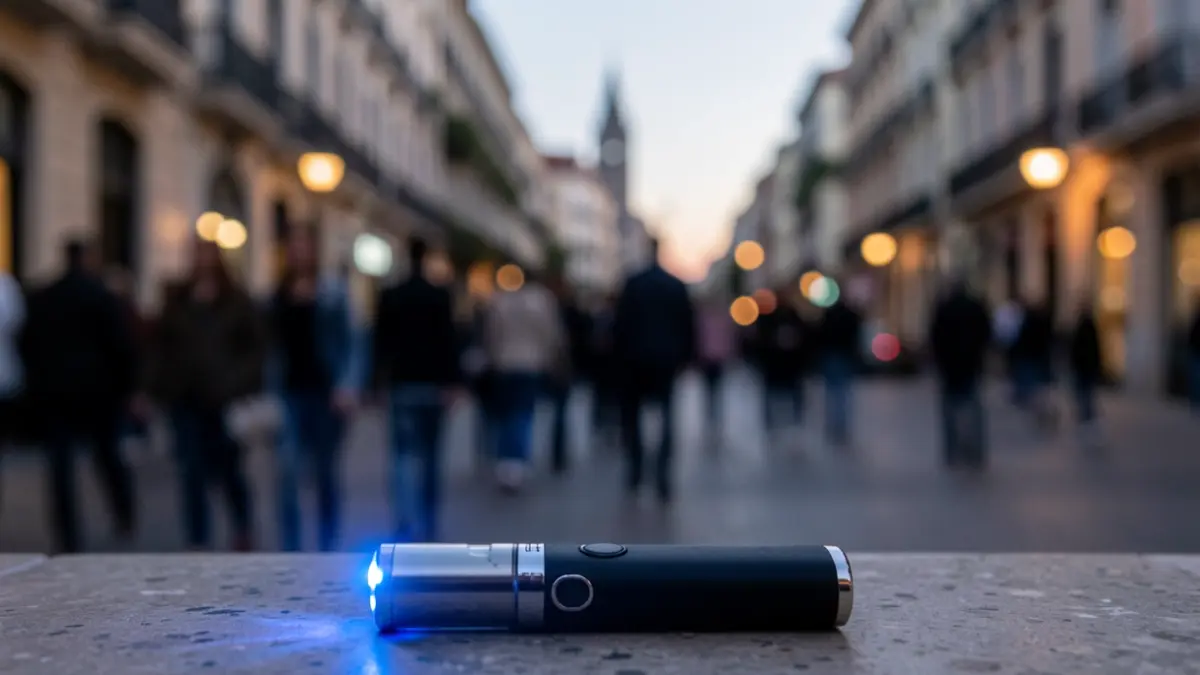
In the youth population (15-16 years old), cigarette consumption has also decreased. In 2025, 9.9% consider themselves regular smokers and 2.5% daily smokers. However, the report warns of a "worrying" increase in the consumption of non-traditional tobacco products, such as vapers, especially among young people. Nearly 20% of this group consumes these products occasionally or daily, with nicotine vapers being the most frequent.
Daily consumption of non-traditional tobacco products among young people has risen from 0.9% in 2020 to 6.3% in 2025. 33.5% of young people have tried these products at least once, with curiosity being the main reason for initiation (63.8%). Among the adult population, 6.6% consume non-traditional tobacco products, with daily consumption increasing from 0.8% in 2020 to 3.3% in 2025.
Nicotine vapers are the most consumed (26.9% in adults), followed by nicotine-free flavored vapers (24.6%) and water pipes (23.1%). 4.2% of adults and 7.6% of young people consume both conventional cigarettes and non-traditional products.
The perception of risk regarding smoking is high among young people (82% believe smoking daily cigarettes causes problems), but it notably decreases for e-cigarettes (only 53.2% believe they cause problems).
The report also highlights passive smoke exposure, which remains at relevant levels. On bar, cafe, and restaurant terraces, prevalence is 63.6%. In homes, exposure among young people reaches 28.3%, while for adults it is 11.4%.
Acceptance of smoking bans is high among adults (over 93%), but more moderate among young people, especially in bars and clubs (52.6% support).