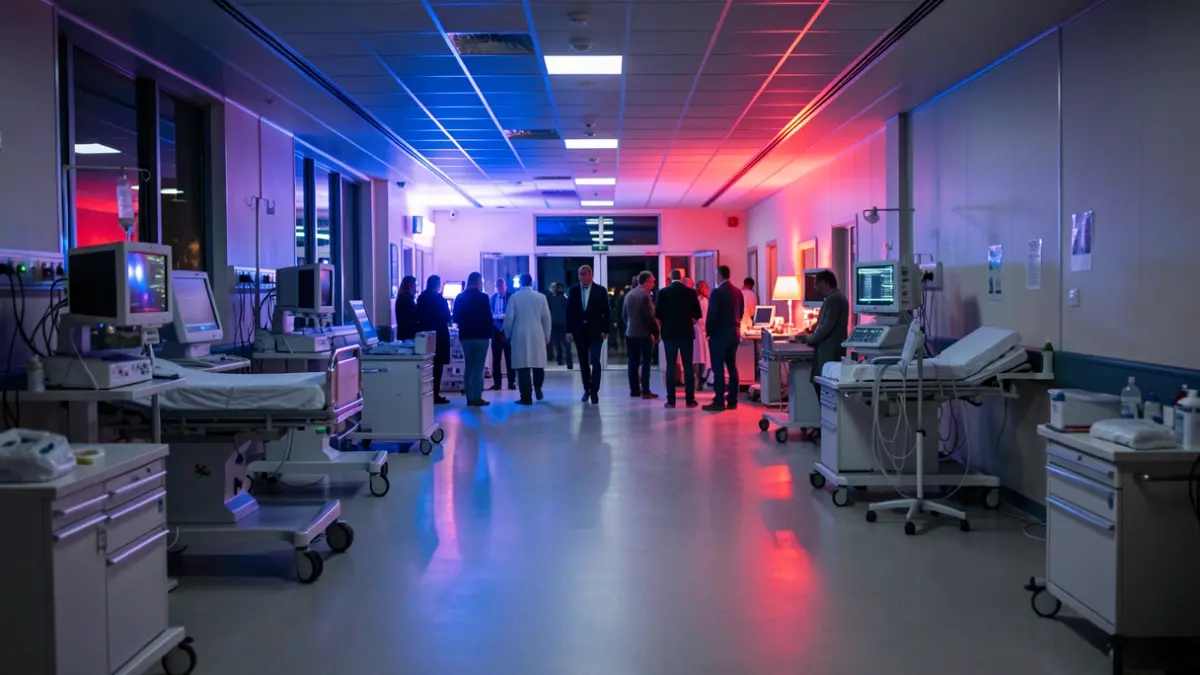
Specialists in Intensive Care Medicine and Emergency Medicine from the Clínico San Carlos Hospital, a public center of the Community of Madrid, have organized the first course on critical patient management in Emergencies. The initiative is aimed at resident doctors of all specialties who work shifts in the Emergency services, with the goal of providing them with practical knowledge for detecting severely ill patients and initiating initial diagnostic and therapeutic measures.
The course brought together 350 resident doctors from hospitals across the country, consolidating the Clínico San Carlos Hospital as a national training benchmark for residents. In recent years, specialists from the hospital have promoted specific courses in Digestive, Neurological, Respiratory, Infectious, and Cardiovascular Emergencies, aiming to offer excellent training based on homogeneous, practical, and standardized criteria.
“"This training activity is very well received by residents, as it highlights the real activity we see in the Emergency department, demonstrating an improvement in their preparation, the possibility of changing or improving procedures, and an increase in their effectiveness."
One of the most valued aspects by participants was the program's practical approach, designed to address the real situations residents face during their shifts. The sessions offered recommendations directly applicable to daily care, recognizing that "early and adequate intervention has a direct impact on the prognosis of these patients," according to the hospital's Intensive Care Medicine specialist, Sara Domingo.
Each presentation included ample time for questions and discussion, fostering exchange between residents and Emergency and Intensive Care Medicine specialists. This participatory format helps resolve common doubts in critical patient care and is a key differentiating element of the course. The growing participation of third, fourth, and even fifth-year residents indicates that the content meets real training needs even in advanced stages of residency.