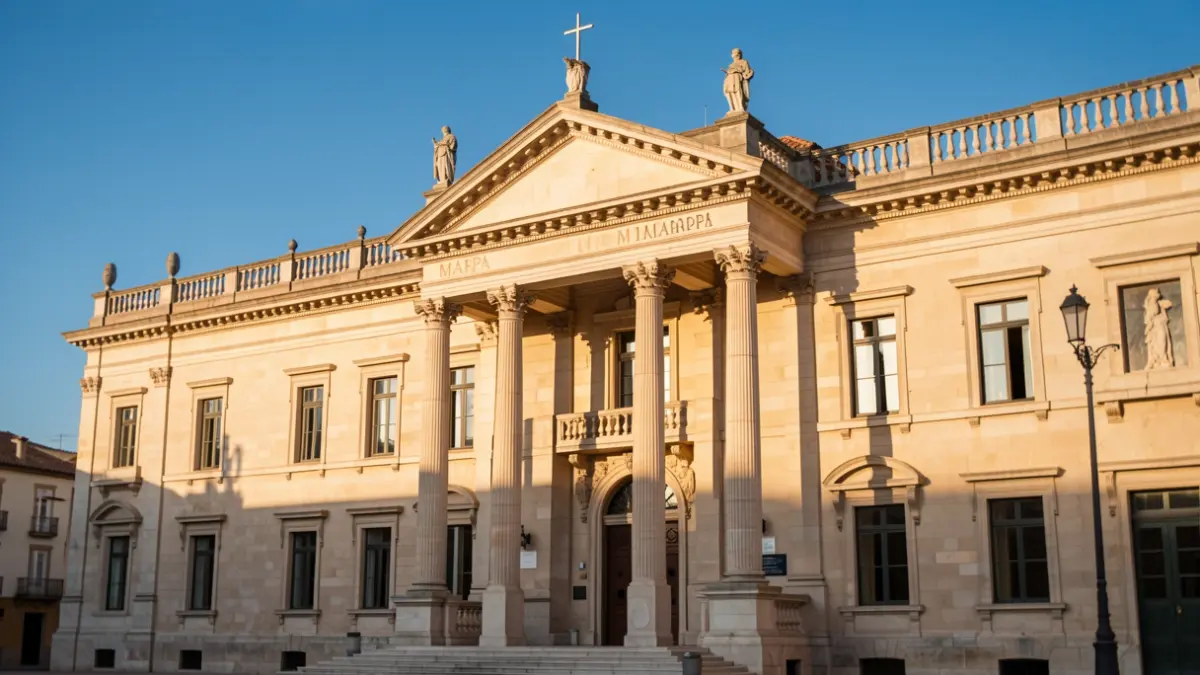
The Museum of Archaeology and Paleontology of the Community of Madrid (MARPA), located in Alcalá, will host the presentation of the documentary The Valley of the Neanderthals on Tuesday, June 30th, at 7:00 PM. This audiovisual production aims to bring the public closer to one of Europe's most significant archaeological sites for the study of human evolution.
The documentary delves into the archaeological sites of Pinilla del Valle, within the Lozoya Valley, an enclave that has redefined our understanding of the Neanderthal species. Decades of research at the Calvero de la Higuera site have unearthed human remains, lithic tools, and other evidence confirming the presence of Neanderthal groups in the Community of Madrid tens of thousands of years ago.
Following the screening, a Q&A session will feature the key figures behind the project. The excavation co-directors, Enrique Baquedano and Juan Luis Arsuaga, will participate alongside the documentary directors, Javier Trueba and Gabriela Villecco. They will discuss the scientific and human challenges of the research and answer attendees' questions.
Through archival footage, researcher interviews, and recreations of daily life, the film details how Neanderthal populations lived in the Lozoya Valley and their cultural and cognitive abilities. Findings at Pinilla del Valle, dating back approximately 44,000 years, include human remains, an infant burial, and a unique accumulation of large herbivore skulls in a cave, suggesting intentional and symbolic behaviors that challenge the traditional view of Neanderthals.
The significance of these discoveries led to a research team's article being featured on the cover of the prestigious scientific journal Human Nature Behavior. Pinilla del Valle, located in the Sierra de Guadarrama, about 80 kilometers from Madrid, is an internationally recognized site declared a Site of Cultural Interest in 2005, crucial for reconstructing human presence in the Iberian Peninsula for over 300,000 years.