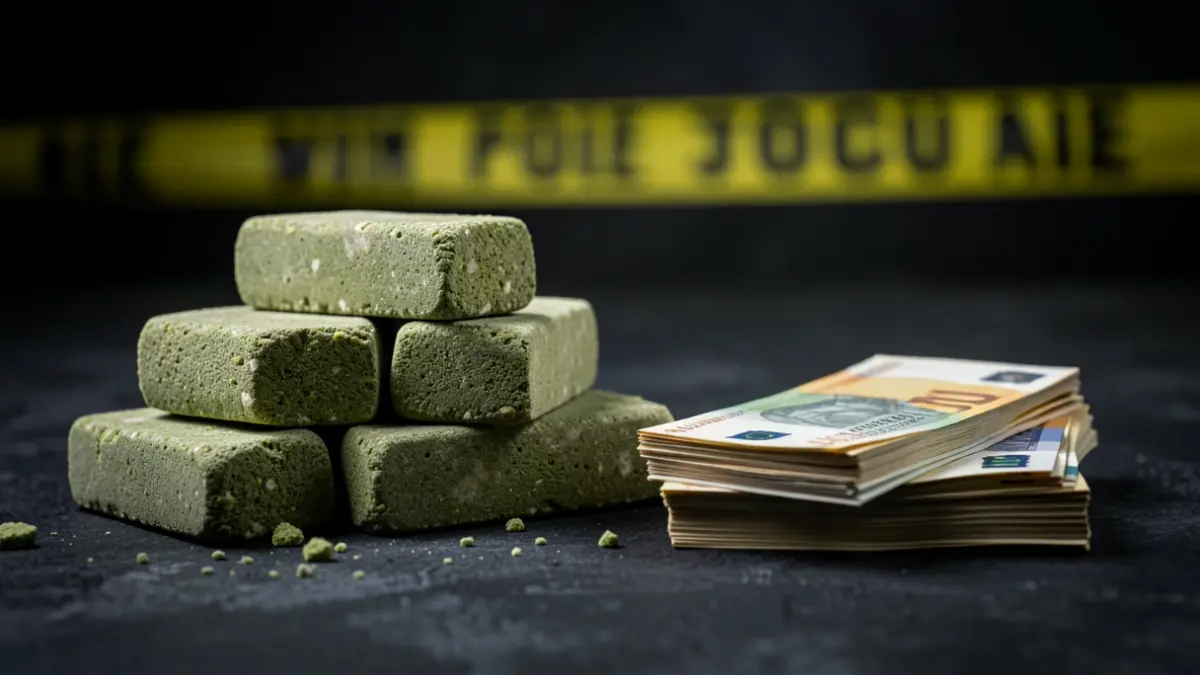
The operation, which began in February 2025, culminated in eleven searches in Madrid, Toledo, Alicante, and Badajoz. Seized items included 163 kilos of cocaine, nearly 98,000 euros in cash, a dozen vehicles, a firearm, and 14 mobile devices. Additionally, 1,000 precursors, presses, stamps, precision scales, and molds used in drug manufacturing were confiscated.
Nine of the searches were conducted in the Community of Madrid (eight in the capital and one in Rivas Vaciamadrid). Interventions also took place in Illescas (Toledo), Dénia (Alicante), and Don Benito (Badajoz). The investigation has also led to the freezing of assets linked to the network, valued at approximately 115,000 euros in vehicles and 258,000 euros in real estate.
Of the total 27 individuals arrested, 23 were apprehended in Spain (14 in Madrid, one in Rivas, one in Recas (Toledo), one in Almería, and another in Talavera de la Reina (Toledo)). Four additional arrests were made in Australia. A judge has ordered three individuals identified as leaders of the network into custody, though the investigation remains open with potential for further arrests.
The organization imported narcotics concealed within wood, fruit, scrap metal, and cement, transporting them in containers via European ports such as Belgium, where they had at least one informant working for them. Subsequently, the drugs were moved to Spain overland in vehicles equipped with hidden compartments and processed in clandestine laboratories located on rural properties.
In secondary laboratories, situated in private residences, the cocaine was adulterated with chemicals to increase its weight. The substance was then stored in warehouses near the cities where buyers were located. The network's hierarchical structure and professionalism included contacts with Colombian cartels, particularly the one from Cali, and frequent trips by the leader to Colombia, Panama, and Belgium to arrange agreements and establish entry and exit routes for the substance.
The leader, described as an expert in chemical extraction known as "el gordo" or "quemado" due to burns on his face and hands, collaborated with his nephew, nicknamed "el artista," for his technical expertise in adulterating and processing cocaine.