Following a visit to the Almacén de la Villa, representatives of the political group criticized the state of the monument's elements, despite their reinstallation having been approved years ago. This conflict dates back to 2019, when the memorial was dismantled by the current municipal government.
The memorial, designed to honor 2,936 people executed between 1939 and 1944, was removed in November 2019. This decision sparked significant controversy with victims' associations and families, leading the Pleno de Cibeles to approve a motion in February 2020 for the restitution of the plaques bearing the names of the repressed.
“"The treatment given to these materials is an indecency. We demand the immediate restitution of the memorial to its original location."
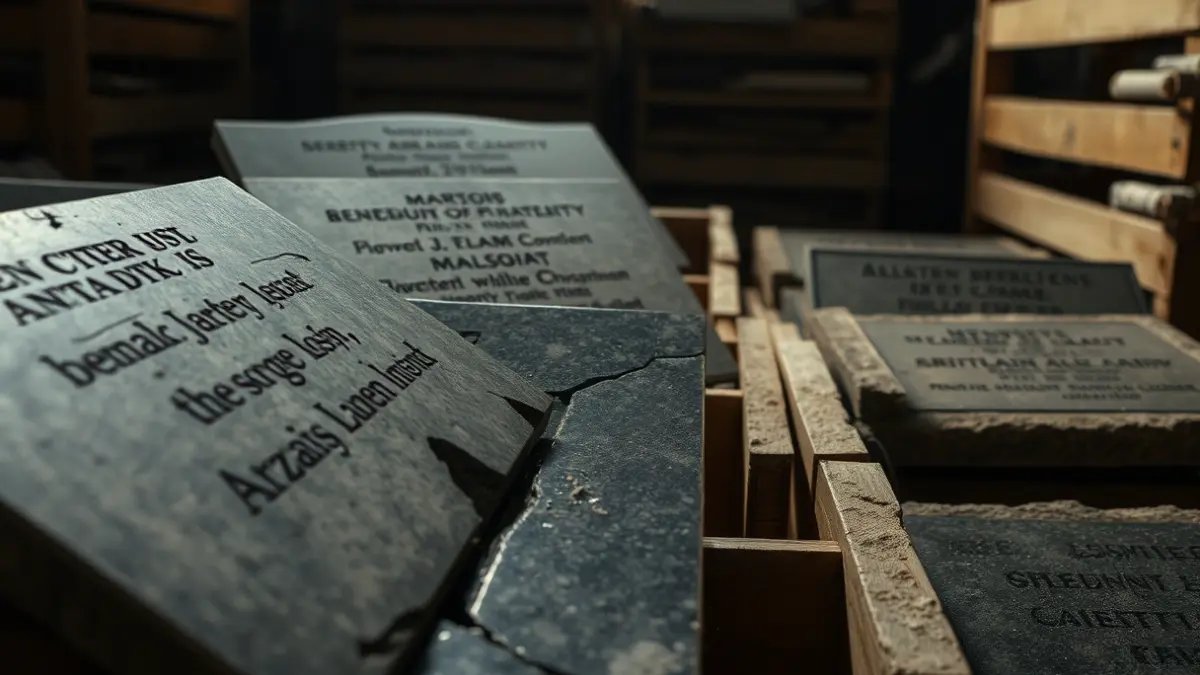
However, the political group asserts that, nearly seven years after the conflict began, the plaques remain stored in municipal facilities without having been reinstalled. Images released by the group show that many of the granite pieces, as well as fragments with verses by Miguel Hernández, exhibit structural damage.
The complaint coincides with a period of administrative tension between the City Council and the Spanish Government. The mayor recently initiated legal action against the declaration of the wall of La Almudena Cemetery as a «Place of Democratic Memory» by the central Executive.
During the inspection at the Almacén de la Villa, opposition representatives observed that the pieces, intended to form a wall of recognition, are distributed on pallets and in wooden boxes. The deterioration of some plaques would hinder their immediate reuse, necessitating restoration or replacement if their assembly were to proceed.